
Caliper Tool Inspection for New Pipeline Construction
When a new pipeline is constructed, one of the most critical steps before startup is verifying that the line is internally sound.
Even with proper installation, pipelines can develop dents, ovality, buckles, or internal restrictions during handling, tie-ins, and construction activities. These issues may not be visible from the outside—but they can impact tool passage, flow performance, and inspection readiness.
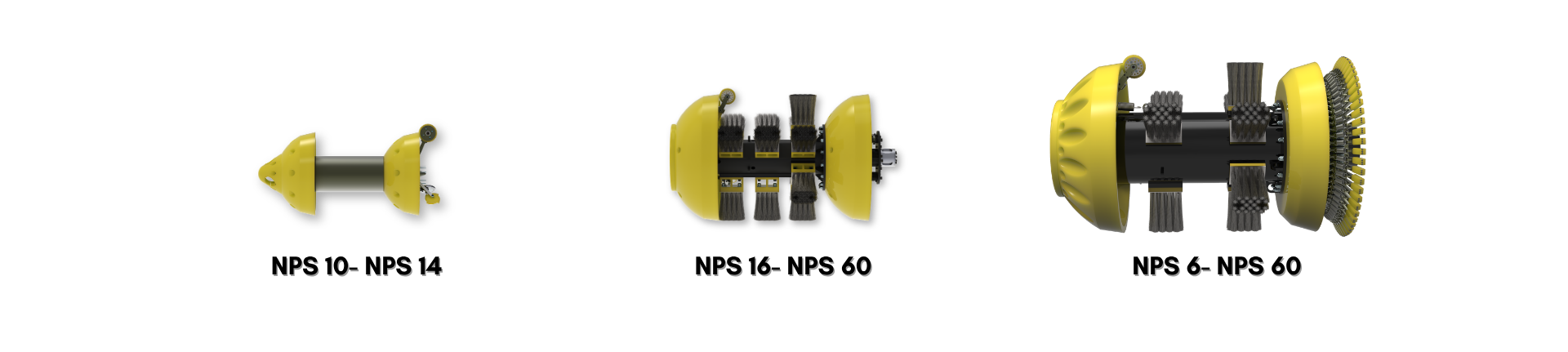
Pipeline caliper tools are used during new pipeline construction to measure internal geometry and identify these issues early—before commissioning or inline inspection begins.
Planning a pipeline project or preparing for inspection?
Talk with Enduro about caliper tool inspection and get the data you need before startup
Why Caliper Tools Are Used in New Pipeline Construction
Caliper inspection provides operators with a clear understanding of pipeline geometry before the line is placed into service.
1. Verify Construction Quality
Construction activities can introduce deformation due to bending stresses, lifting, transportation, and installation conditions. A caliper tool helps confirm that the finished pipeline meets acceptable internal geometry standards.
2. Prepare for Commissioning
Before startup, operators need confidence that pigs and inspection tools can safely travel through the pipeline. Caliper tools help identify restrictions or deformations that could interfere with tool passage.
Before running a caliper tool, pipelines are typically cleaned using pipeline cleaning pigs to remove debris and ensure accurate inspection results.
3. Reduce Risk Before Running ILI Tools
Caliper tools are often used before advanced inspection technologies such as MFL inline inspection tools or other ILI systems. This helps confirm that the pipeline is suitable for inspection and reduces the risk of tool damage or compromised data.
4. Establish a Baseline for Integrity Programs
Running a caliper tool during new pipeline construction provides baseline geometry data. This information can be used later to compare inspection results and track changes over time.
What Caliper Tools Detect in New Pipelines
Pipeline caliper tools are used to identify:
- Dents
- Ovality (out-of-round pipe)
- Wrinkles
- Buckles
- Internal bore restrictions
- Deformation caused during construction
- Changes in internal diameter
These conditions can affect pipeline performance, delay commissioning, and create challenges for future inline inspection.
When Should Caliper Tools Be Run?
Caliper tools are typically run during or immediately after construction, depending on the commissioning plan.
Common applications include:
- After pipeline installation is complete
- Before commissioning a new line
- Before running MFL or other ILI tools
- After hydrotesting
- When verifying pipeline readiness for startup
- During inspection runs, pig tracking equipment is used to monitor tool position and confirm progress through the pipeline.
For new pipeline construction, the goal is simple: identify geometry issues early—before they become operational or inspection problems.
What Problems Can Caliper Tools Help Prevent?
Using caliper tools during new pipeline construction helps reduce the risk of:
- Stuck or damaged inspection tools
- Delays in commissioning
- Flow restrictions caused by deformation
- Inaccurate or compromised ILI data
- Unexpected field rework after startup
- Missed construction-related geometry issues
In short, caliper inspection helps operators move from construction to operation with better information and fewer surprises.
Why Caliper Inspection Is a Critical Step Before Startup
A newly constructed pipeline is not automatically free from internal deformation. Construction conditions, terrain, handling, and installation challenges can all affect pipeline geometry.
Caliper tools provide a clear, measurable understanding of internal pipeline condition—helping operators confirm readiness before startup and inspection.
Enduro Caliper Tool Solutions
Enduro Pipeline Services provides caliper tool solutions to support new pipeline construction, commissioning, and integrity planning. Our team works directly with operators to determine the right inspection approach based on pipeline size, conditions, and project goals.
For more advanced geometry inspection, operators may use high-resolution caliper tools designed to capture detailed deformation data.
Planning a new pipeline project or preparing for commissioning?
Talk with Enduro about caliper tool inspection and get the data you need before startup. If you are planning a new pipeline construction project, caliper inspection can help verify line condition before commissioning and support a smoother path to startup and future inline inspection.
Call:
800-752-1628
Learn more:
https://www.enduropls.com/caliper-ddl
Ready for a quote?
Quick Quote NOW
FAQ Section
What is a caliper tool used for in new pipeline construction?
A caliper tool is used to measure the internal geometry of a newly constructed pipeline and identify dents, ovality, and other deformations before commissioning.
Why run a caliper tool before commissioning?
Running a caliper tool before commissioning helps verify pipeline condition, ensures safe tool passage, and reduces the risk of delays or damage during startup.
Can a caliper tool detect construction damage?
Yes. Caliper tools can detect deformation caused during construction, including dents, wrinkles, and bore restrictions.No. A caliper tool is designed to measure pipeline shape and geometry, not corrosion or metal loss.
Do you need to clean a pipeline before running a caliper tool?
Yes. Pipelines are typically cleaned using cleaning pigs before a caliper run to ensure accurate inspection results.
What happens if deformation is found before startup?
If deformation is identified, operators can address the issue before commissioning—preventing delays, safety risks, or inspection failures later.