When Does a Pipeline Need Cleaning?
- Before an ILI inspection
- Reduced flow
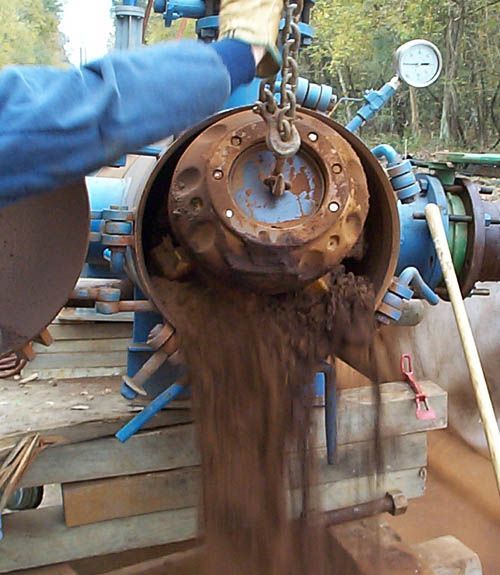
- Black powder buildup
- Paraffin deposits
- Construction debris
- Hydrotesting
- Product changes
- Routine maintenance
- Before an ILI inspection
How Do You Develop a Pipeline Cleaning Program?
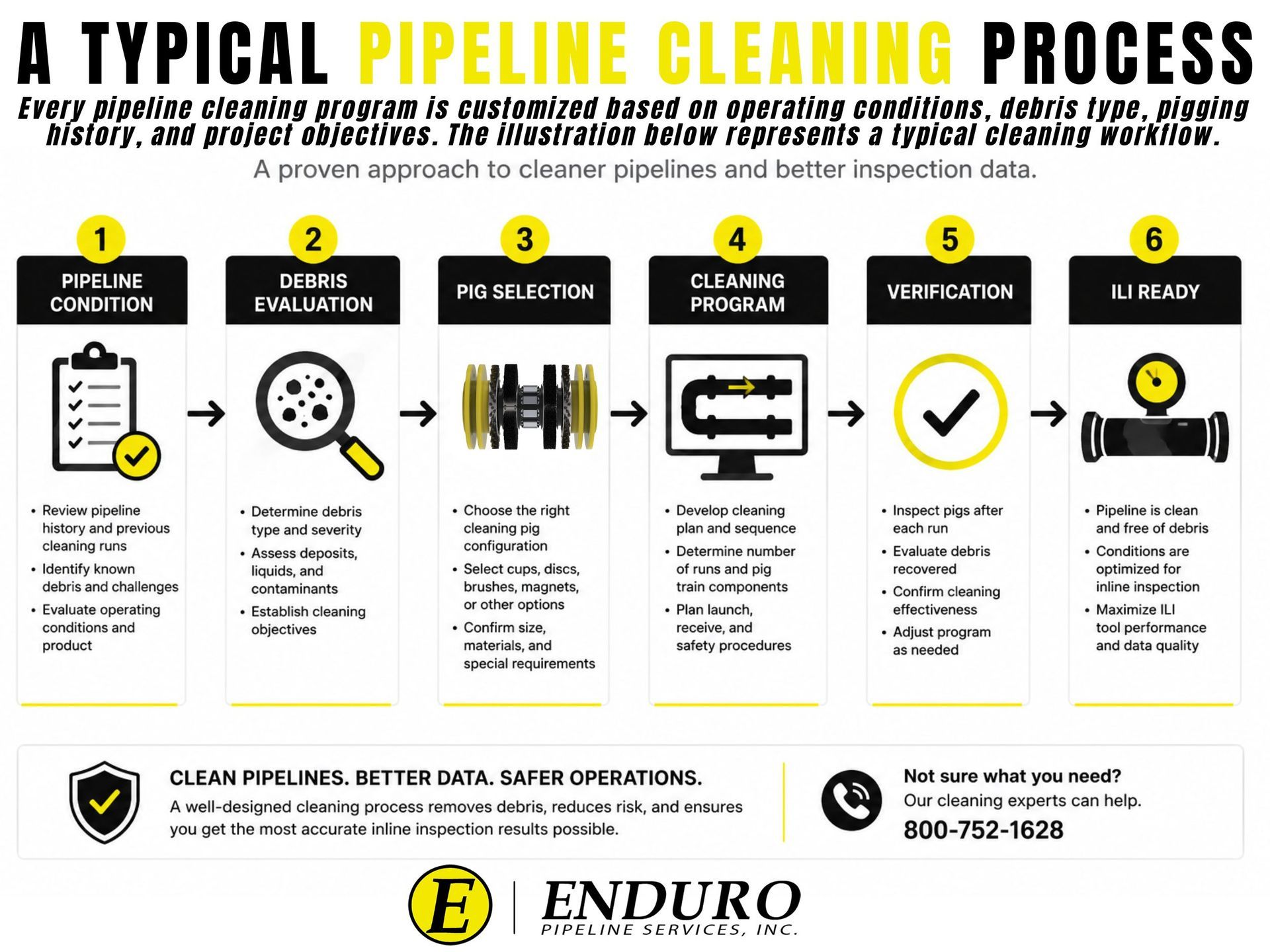
An effective pipeline cleaning program starts with understanding the condition of the pipeline, the contaminants present, and what the cleaning operation needs to accomplish. There is no single cleaning schedule, cleaning sequence, or pig configuration that works for every pipeline.
When developing a pipeline cleaning program, operators should consider:
Cleaning objective: Determine whether the goal is routine maintenance, removing a specific contaminant, improving flow, preparing for inline inspection, or addressing another operating condition.
Pipeline conditions: Review pipeline diameter, length, bends, valves, restrictions, internal diameter changes, operating conditions, available differential pressure, and launcher and receiver limitations.
Material being removed: Identify whether the pipeline contains liquids, paraffin or wax, black powder, mill scale, ferrous debris, rust and corrosion products, or a combination of contaminants.
Previous pigging history: Evaluate debris recovered, pig condition, pressure behavior, previous cleaning results, and other available operating information.
Cleaning pig configuration:Select cups, discs, brushes, scraper components, magnets, bypass, or other components based on the pipeline conditions, contaminants present, and cleaning objective.
Cleaning progression: When pipeline conditions or debris levels warrant it, a progressive cleaning approach may begin with a less aggressive configuration and increase cleaning action based on the results of each run. This can help manage significant or uncertain debris loading rather than assuming one aggressive pig or one cleaning run will achieve the objective.
Results from each run: Evaluate the amount and type of debris recovered, magnet loading, brush wear, pig condition, pressure behavior, and other available results to determine whether the cleaning objective has been achieved.
A pipeline cleaning program should be adjusted as new information becomes available. Results from one pig run can help determine the configuration, cleaning action, and need for subsequent runs.
The goal is not simply to run a cleaning pig on a fixed schedule. It is to develop a cleaning program around the pipeline's condition, operating requirements, contaminants, and desired outcome.
Cleaning Pig Components Explained
Cleaning pigs can be configured with a variety of components to match your pipeline conditions and cleaning objectives. Understanding what each component does can help operators select the right pig for the job.
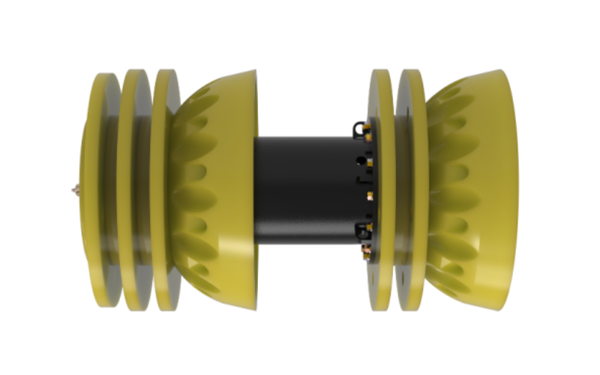
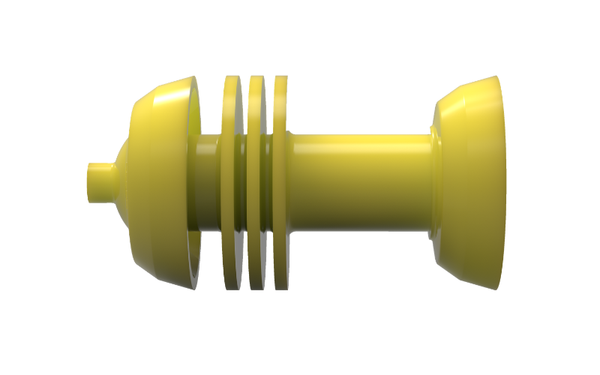
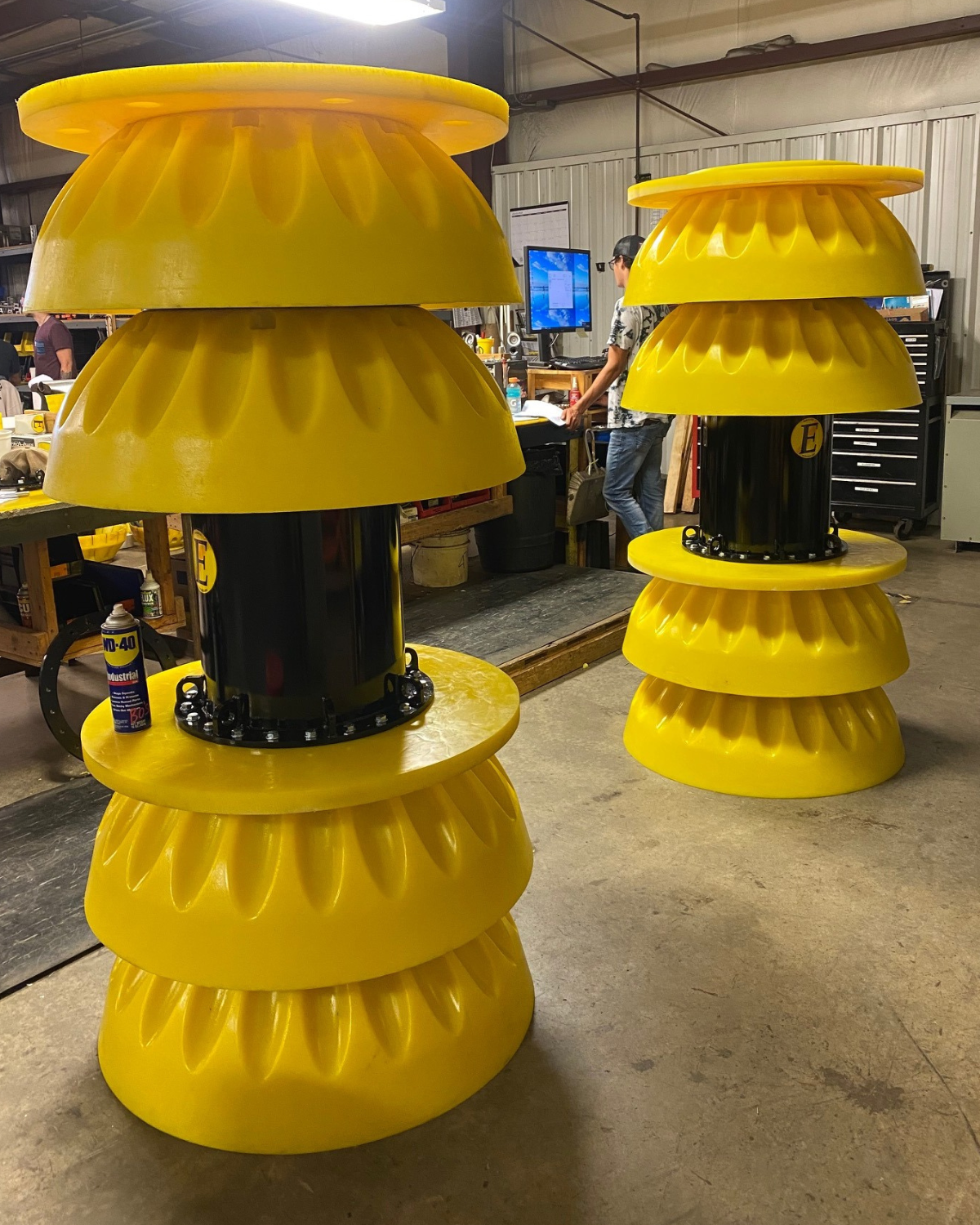
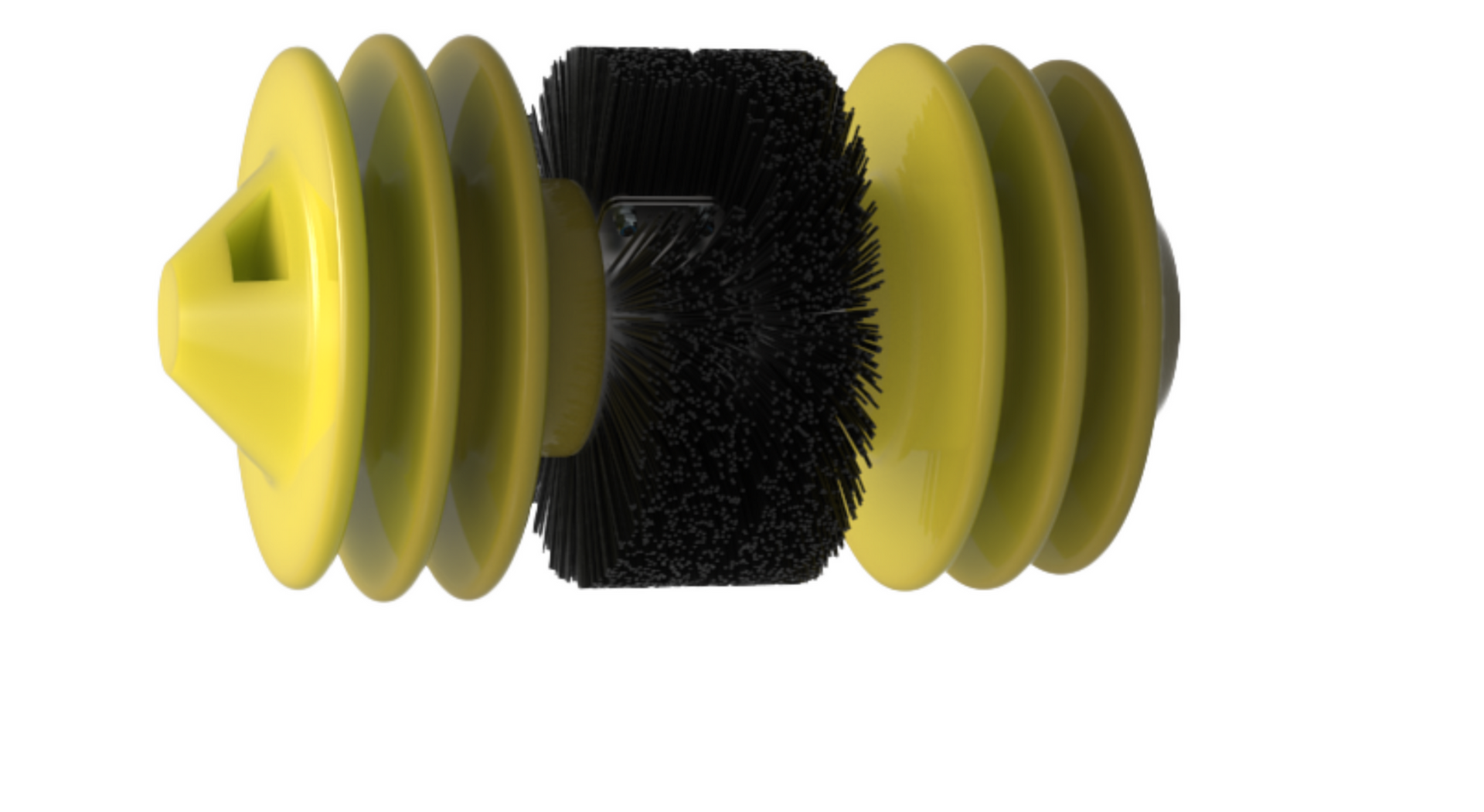
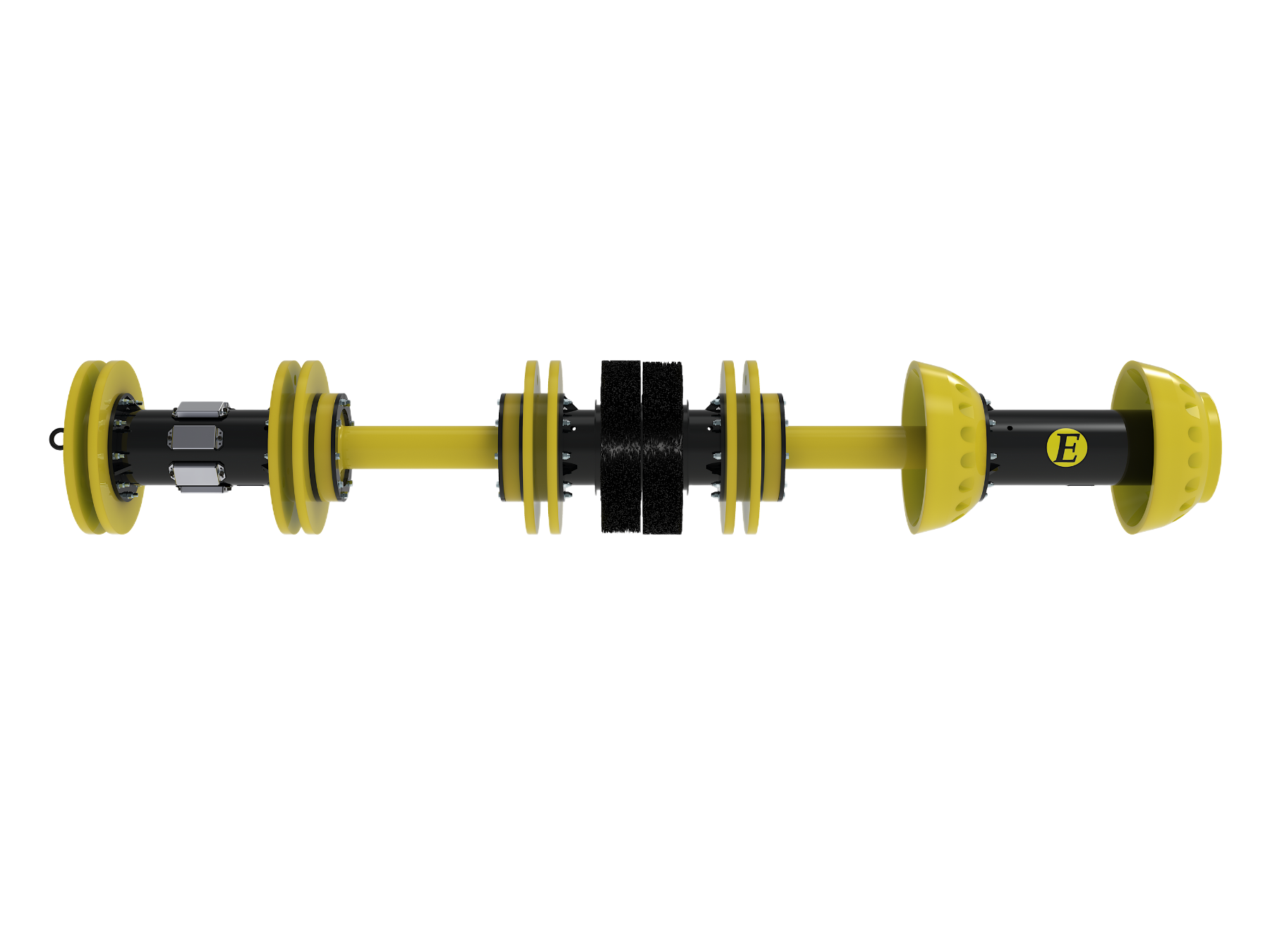
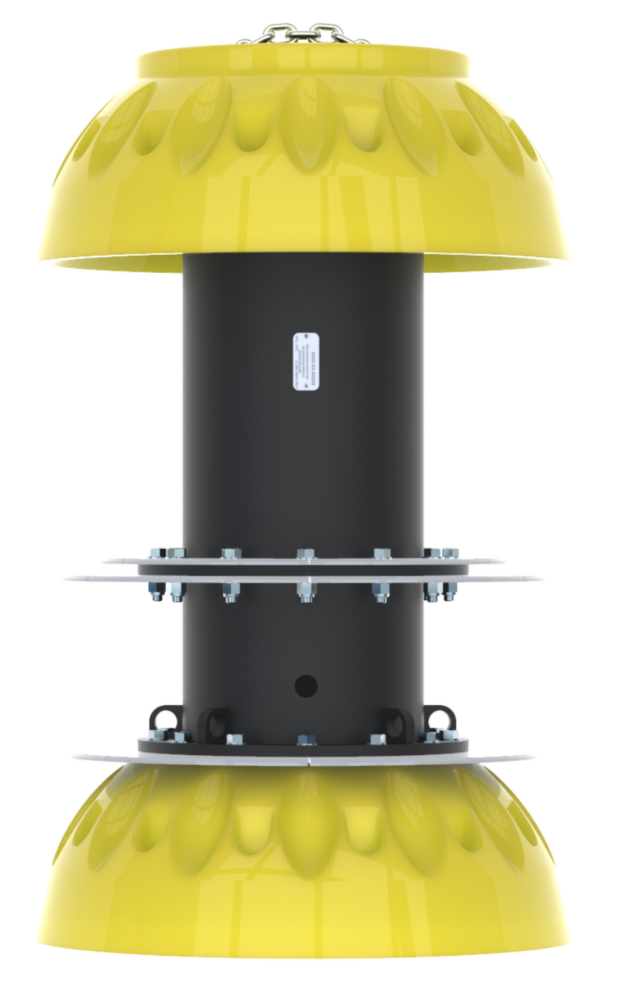
- Cups: Cups create a tight seal against the inside wall of the pipeline, allowing the cleaning pig to move efficiently with the product flow. They are commonly used for cleaning, batching, displacement, and liquid removal, while also helping carry debris through the pipeline. Studded cups are often selected when operators need more aggressive cleaning than standard urethane cups can provide.
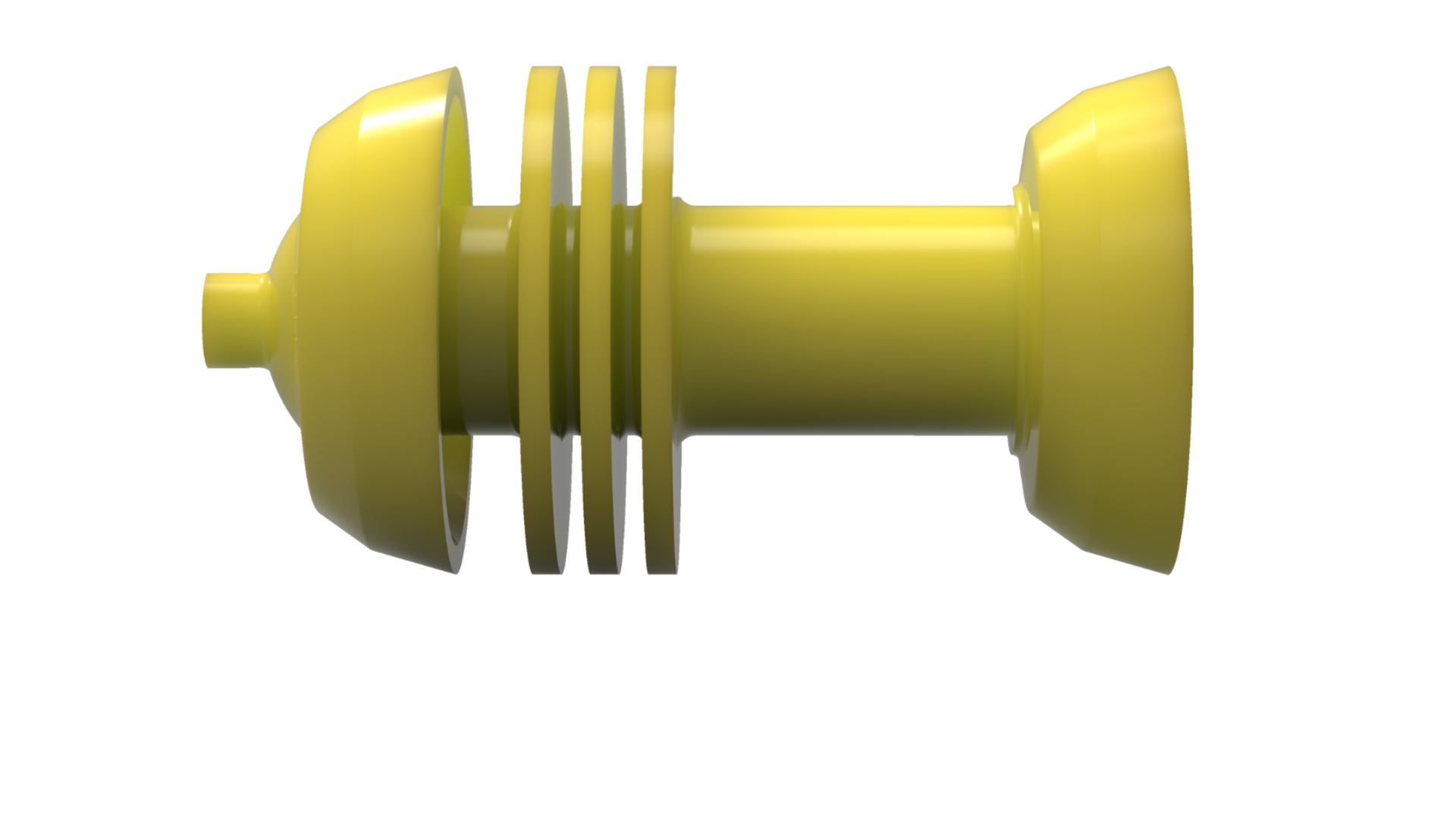
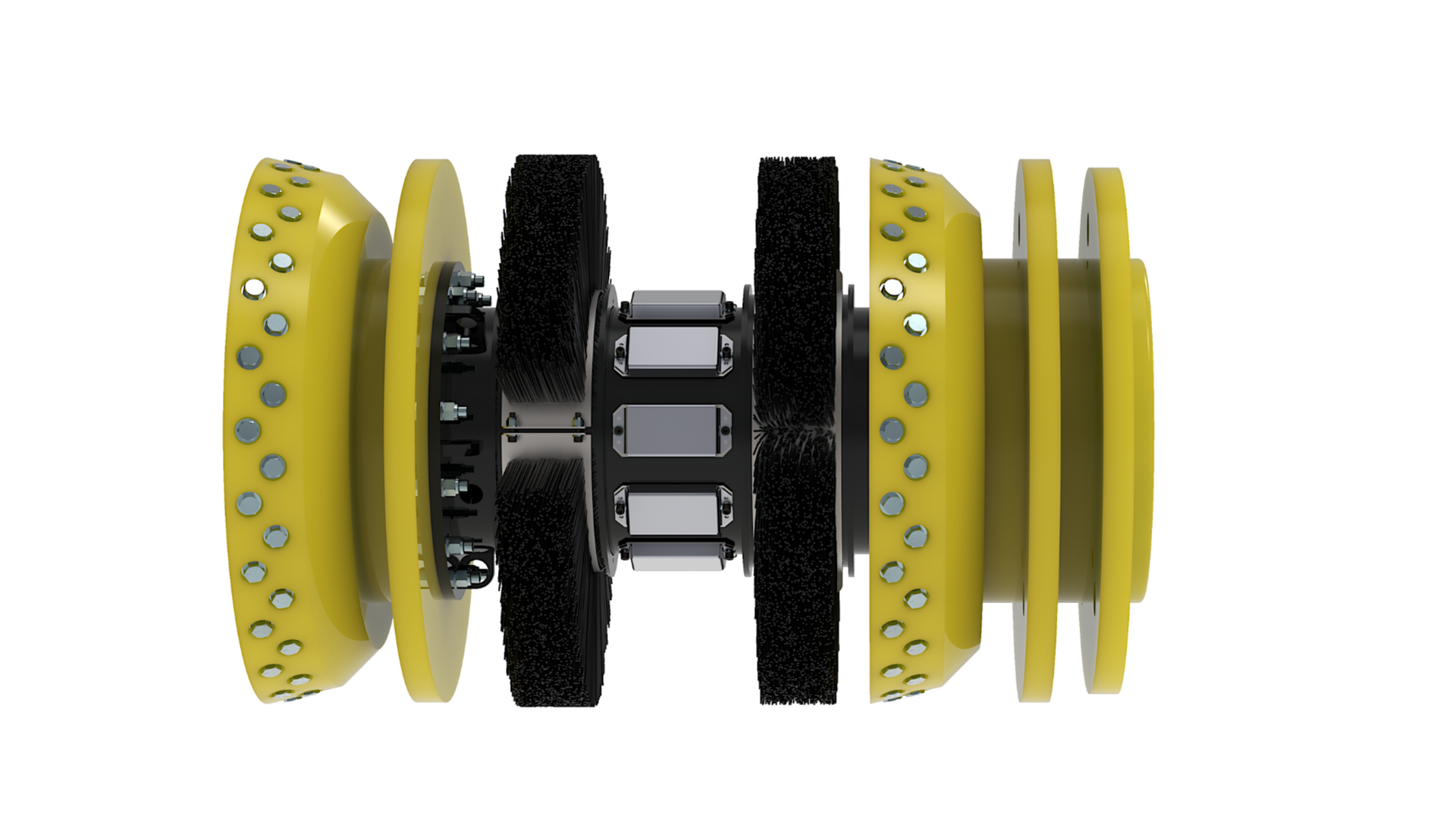
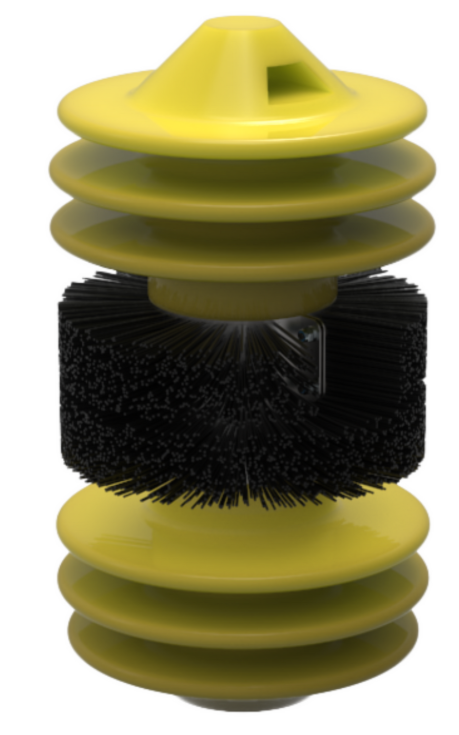
- Discs: Discs provide flexibility when navigating bends, changes in pipe diameter, and pipeline fittings while maintaining an effective seal. Multiple disc configurations can improve debris removal and are often selected for pipelines with varying operating conditions.
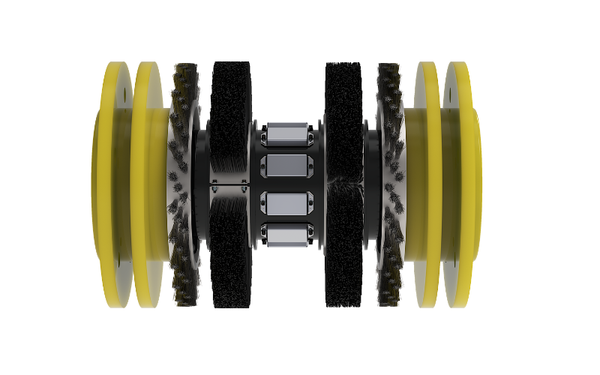
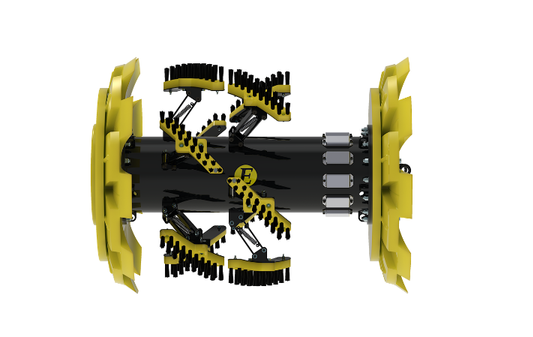
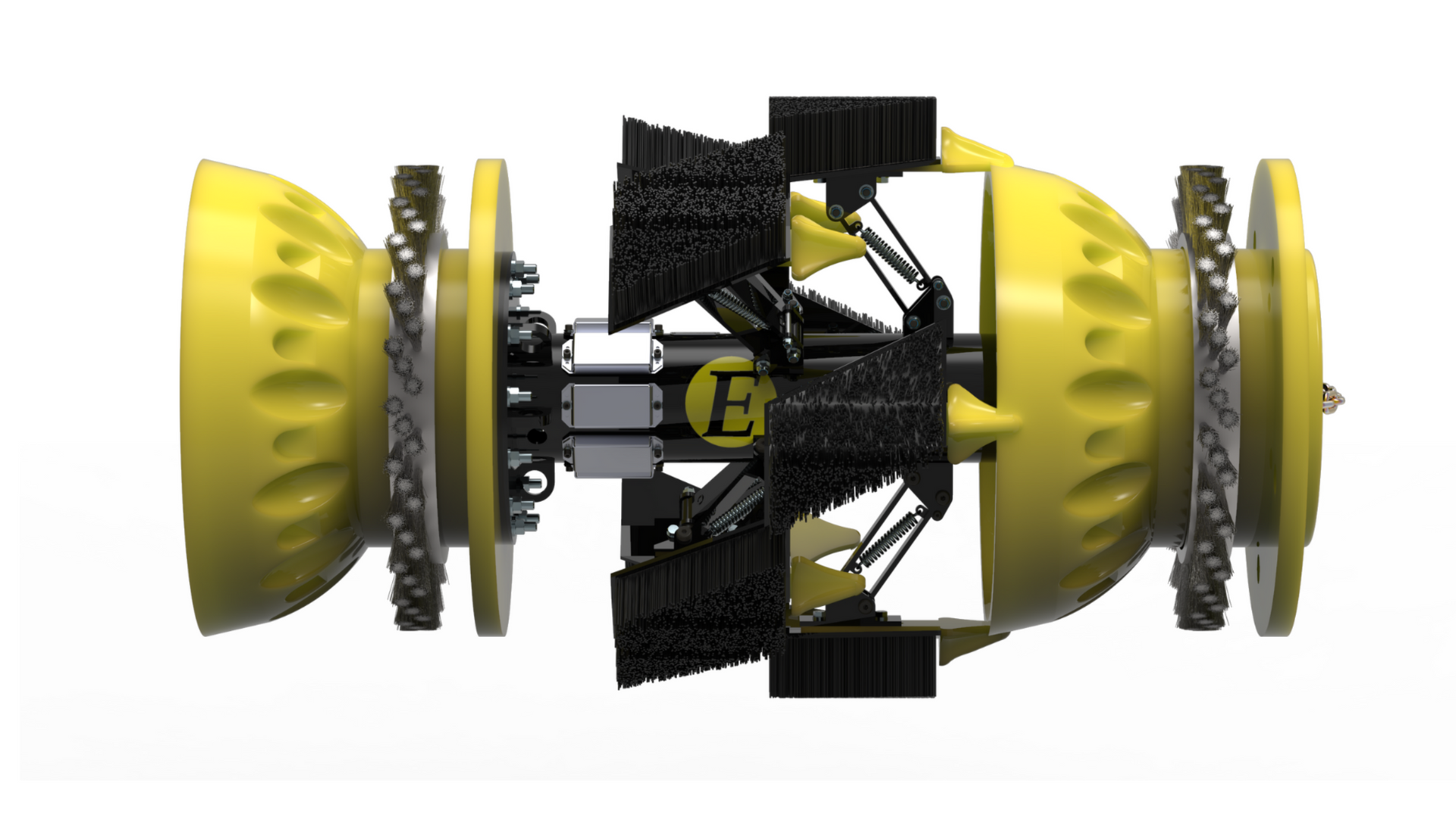
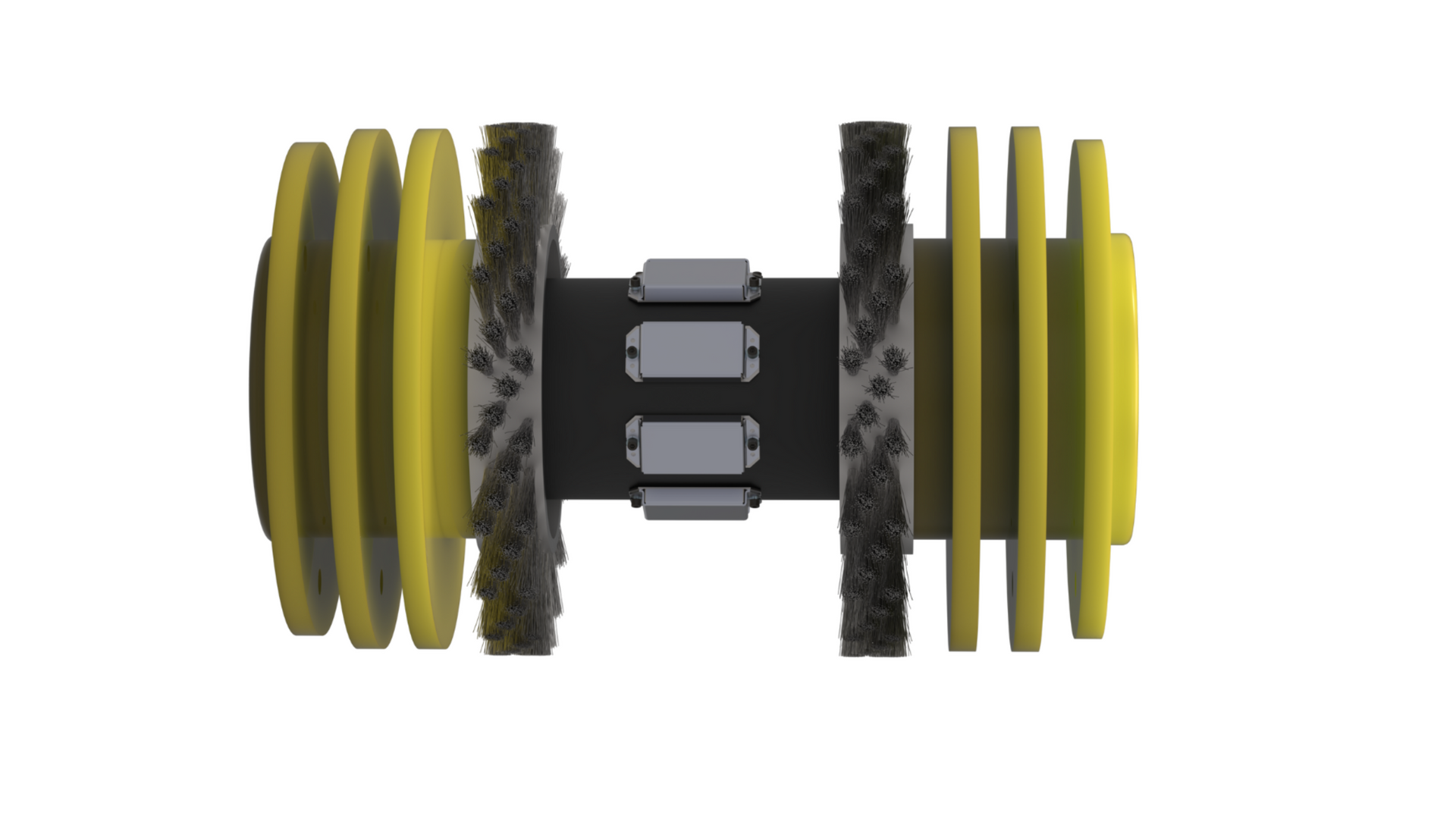
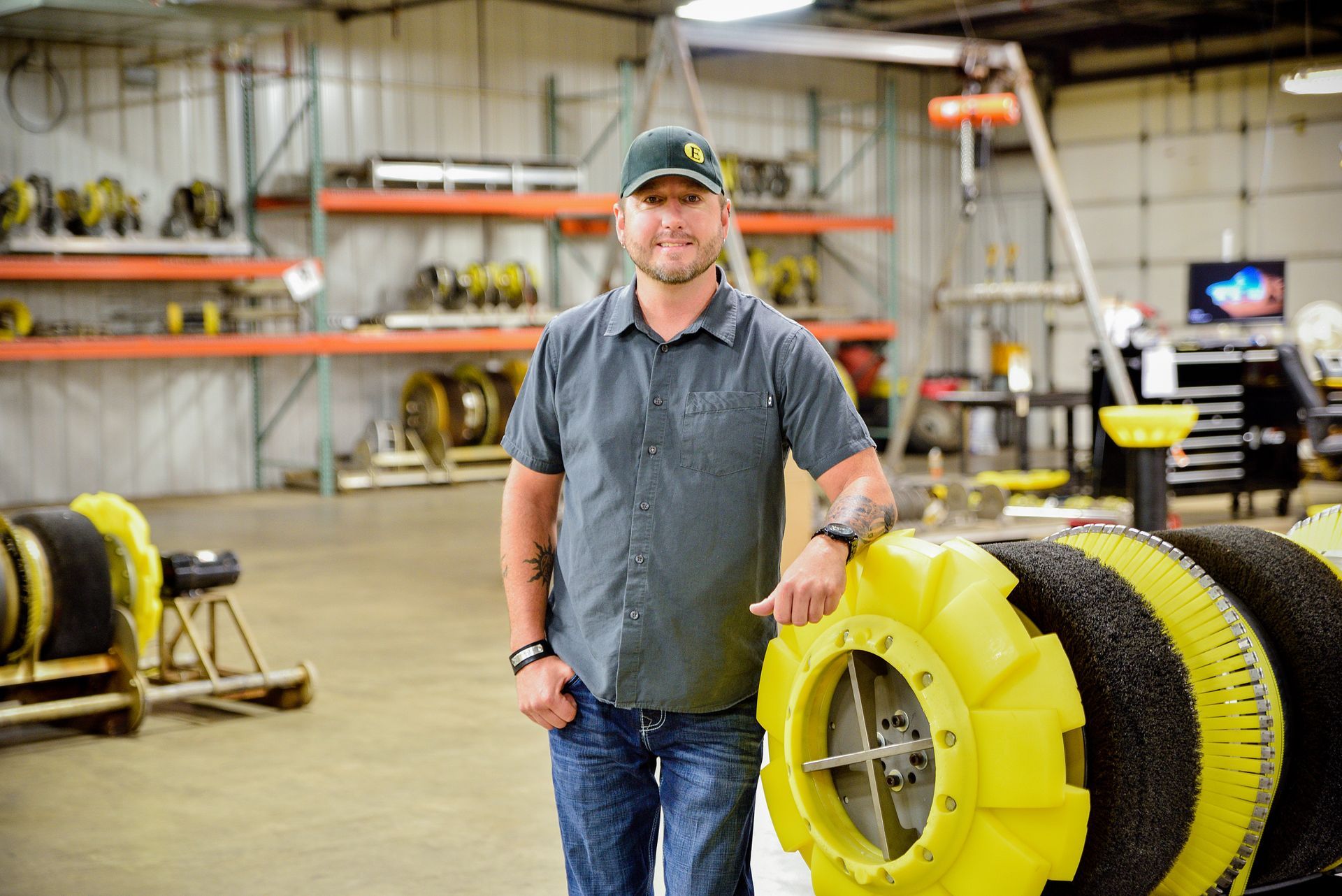
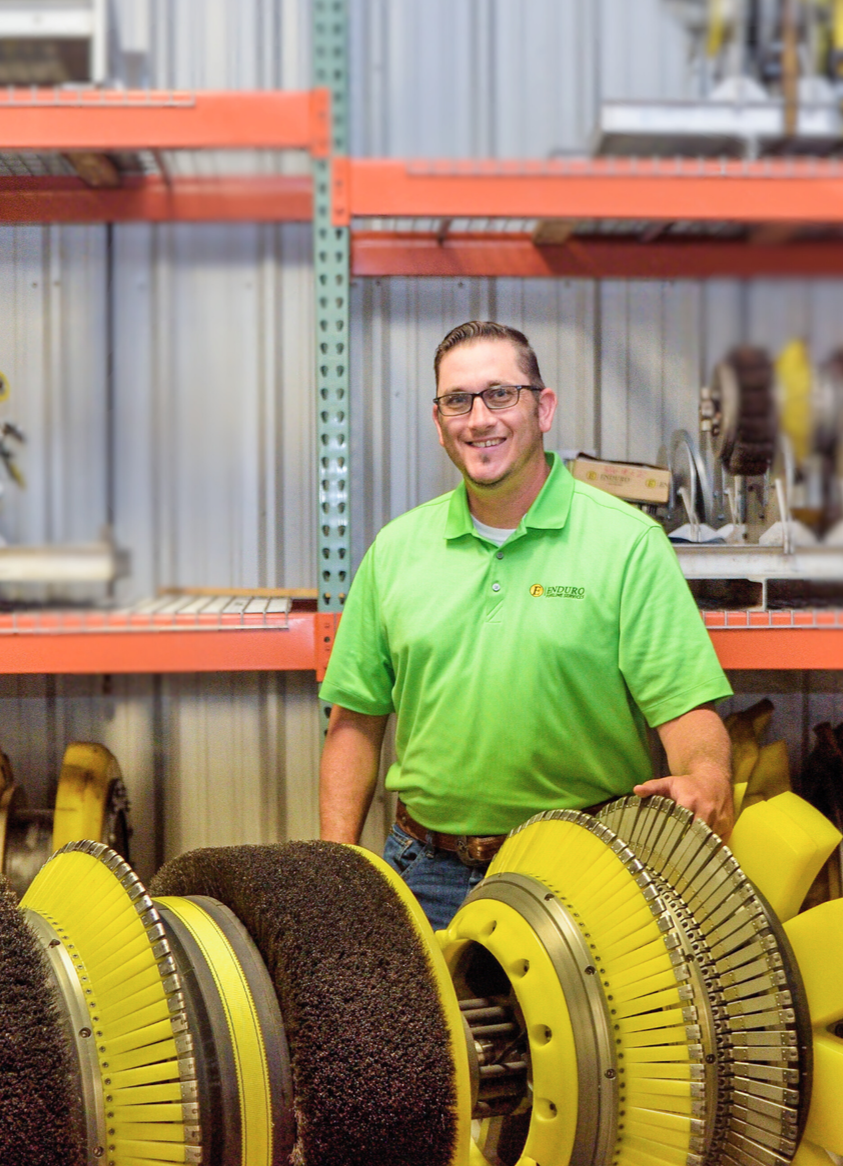
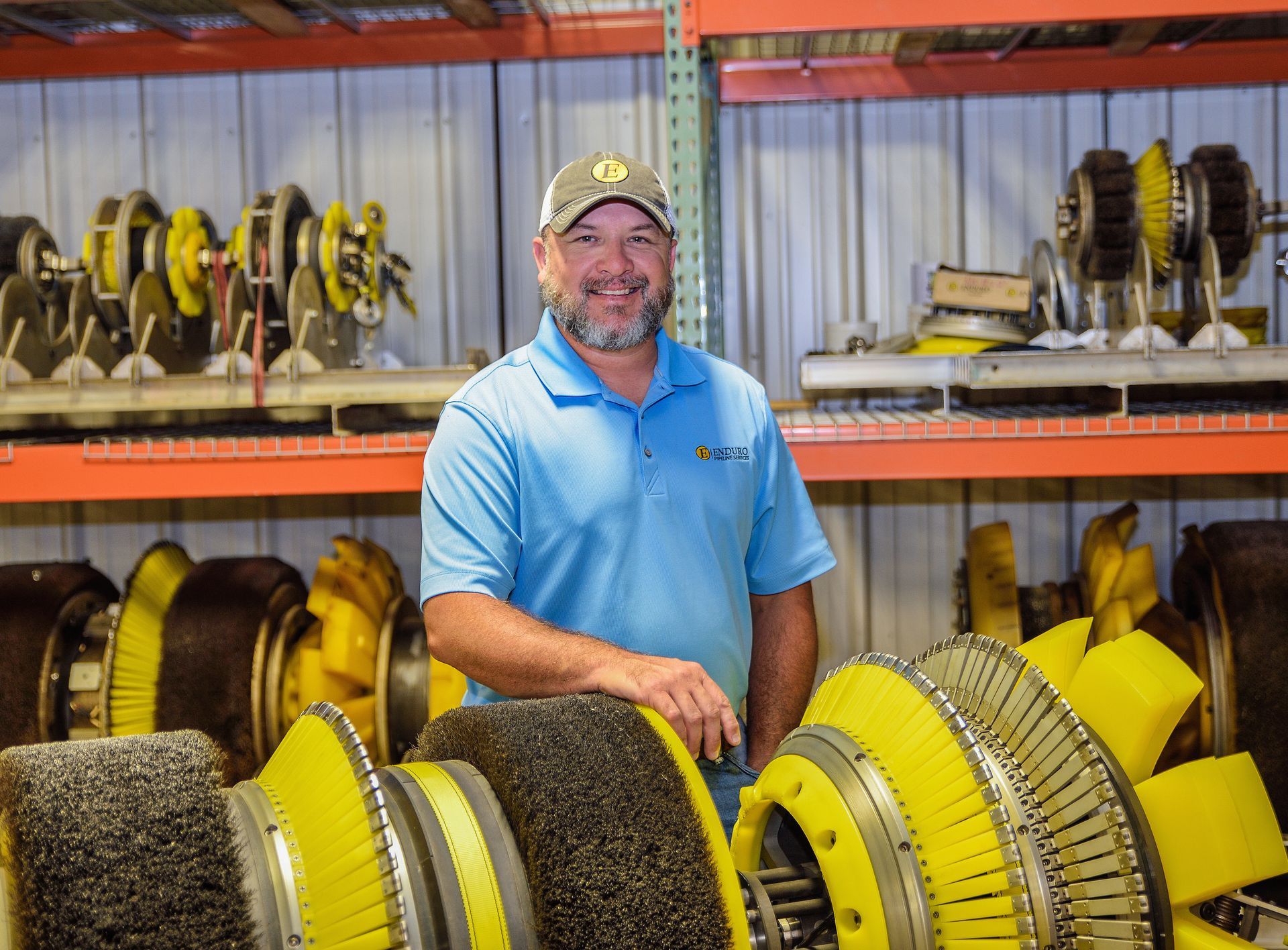
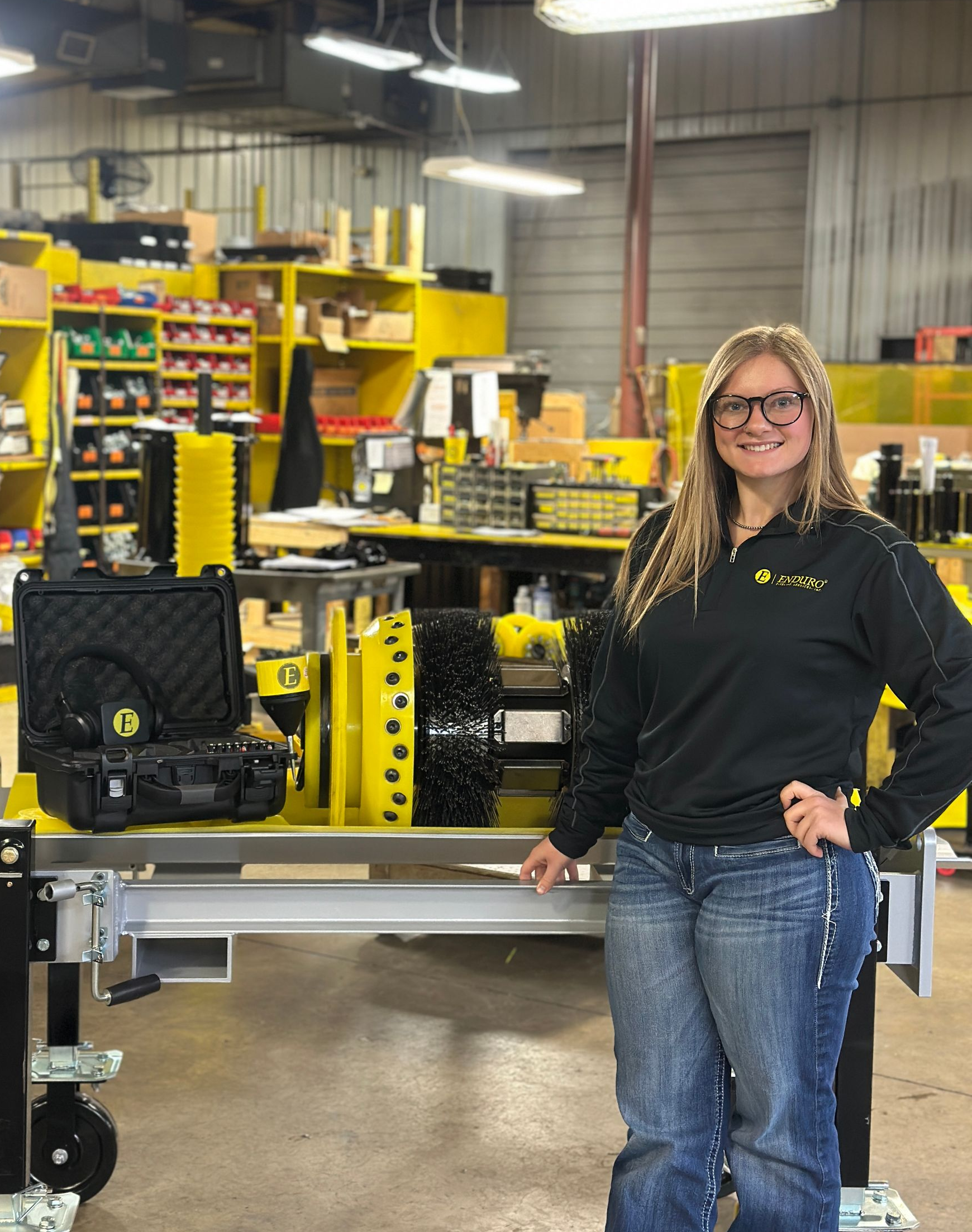
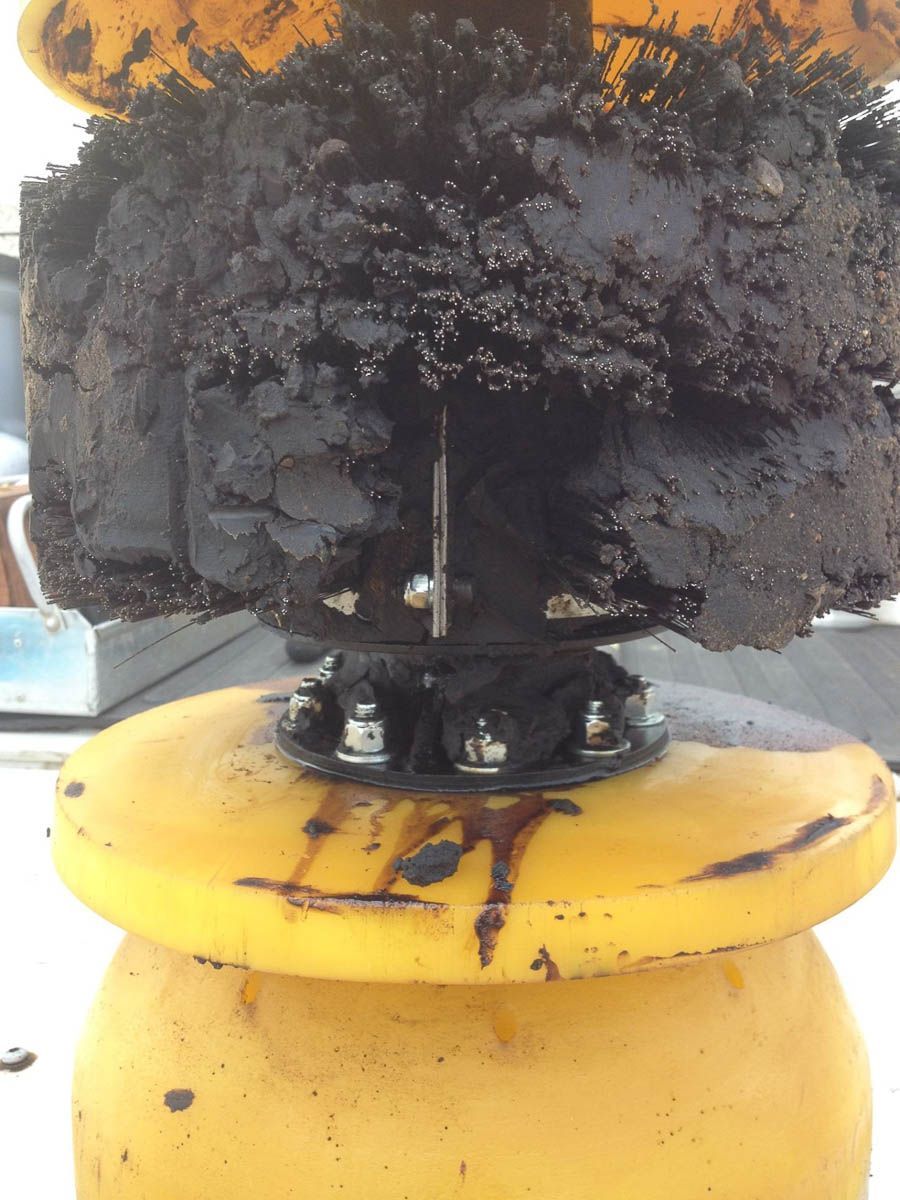
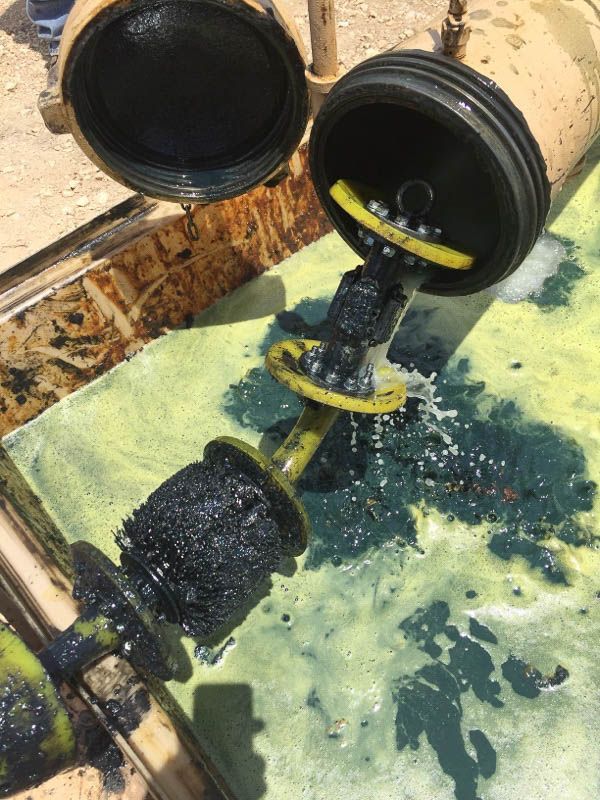
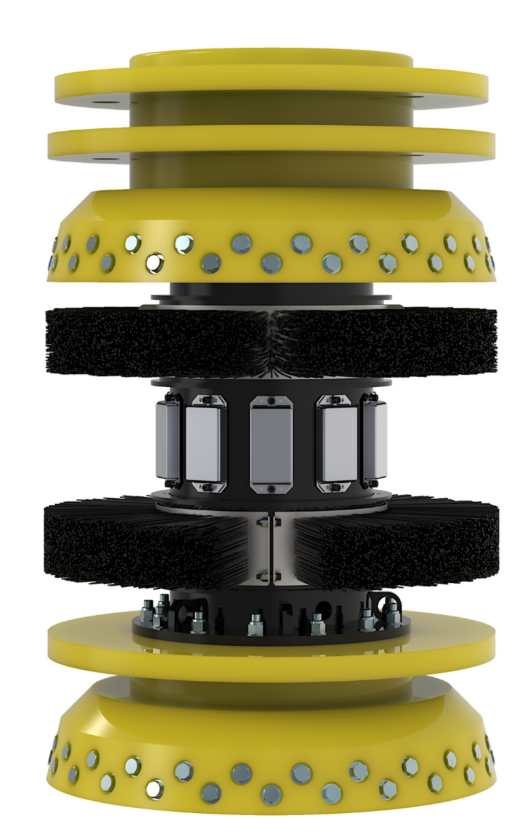
- Brushes (Brush Pigs): Brush-equipped cleaning pigs use steel or polymer brushes to provide additional mechanical cleaning action. Brush pigs are commonly used to remove mill scale, rust, welding slag, hardened deposits, and other debris that standard cups or discs may not remove. Brush selection depends on the pipeline material, debris type, and the level of cleaning required.
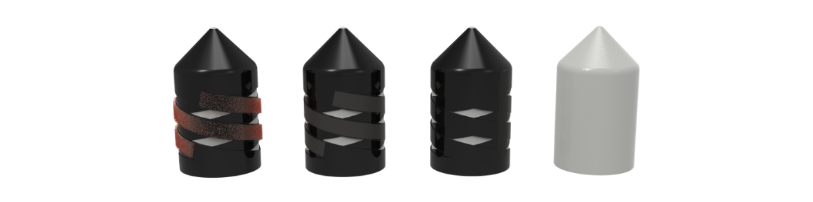
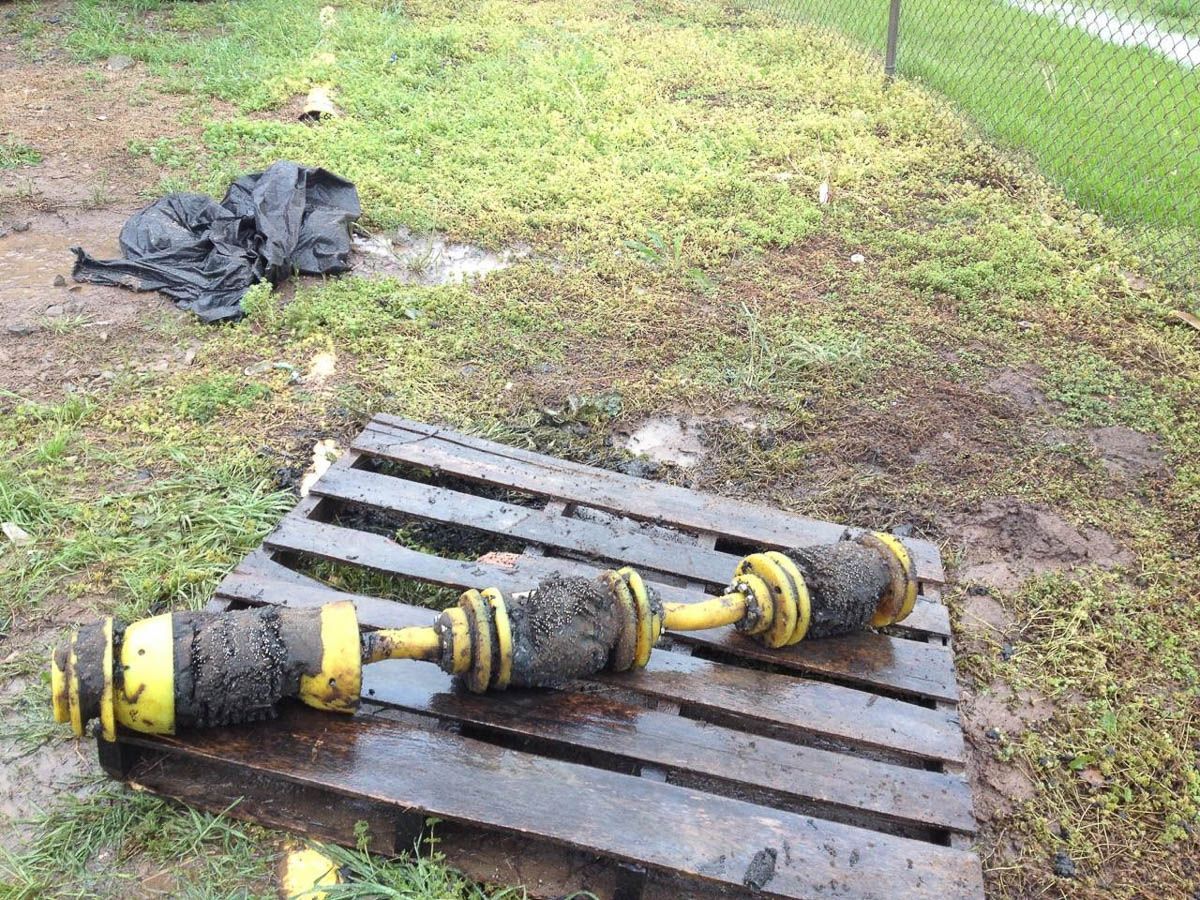
- Magnets (Magnetic Cleaning Pigs): Magnetic assemblies capture ferrous debris and magnetic particles that accumulate inside pipelines, including ferrous components of some black powder and mill scale deposits.
- Scraper Blades: Scraper blades may be used when a pipeline has heavy paraffin or wax buildup, hardened deposits, or other material that requires more aggressive mechanical cleaning than cups, discs, or brushes alone can provide. They can be incorporated into a cleaning pig configuration to increase contact with stubborn deposits and help remove material from the internal pipe wall. Whether scraper blades are appropriate depends on the type and condition of the deposit, pipeline geometry, operating conditions, and the overall cleaning objective. For pipelines with significant buildup, scraper blades may also be introduced as part of a progressive cleaning program rather than used as the initial cleaning configuration. Read more about Enduro's scraper pigs.
- Gauging Plates: Gauging plates verify that the pipeline has sufficient internal clearance before running expensive inline inspection tools. A damaged or bent gauge plate may indicate restrictions, dents, or obstructions that should be investigated before proceeding with additional pigging operations.
- Transmitters: Transmitters allow operators to track the location of a cleaning pig as it travels through the pipeline. They are especially valuable on longer or more complex pipelines, helping field crews locate the pig during launches, tracking operations, and receiving activities.
What Are the Most Common Contaminants Found in Pipelines?
The most common pipeline contaminants include black powder, paraffin and wax, mill scale, rust and corrosion products, sand, liquids and sludge, and construction debris. The type and amount of contamination vary based on the product transported, pipeline material, operating conditions, age, construction history, and previous cleaning activity.
Identifying what is actually inside the pipeline is one of the first steps in selecting the appropriate cleaning pig and developing an effective cleaning program. Different contaminants behave differently and may require different cleaning components or cleaning sequences.
- Black powder: Black powder is one of the most common contaminants found in natural gas pipelines. This fine, magnetic debris can interfere with inline inspection (ILI) tools, accelerate equipment wear, and reduce inspection data quality. Magnetic cleaning pigs are commonly used to capture black powder, although multiple cleaning runs may be required depending on the amount of buildup.
- Paraffin: Paraffin (wax) gradually builds up on the inside of crude oil pipelines, restricting flow and increasing operating pressure. Depending on the severity of the deposits, scraper blades, studded cups, brushes, or specialized cleaning pig configurations may be recommended to restore pipeline capacity and improve efficiency.
- Mill scale: Mill scale is a hard, flaky residue that can remain inside pipelines following manufacturing, construction, or repair activities. Because it adheres tightly to the pipe wall, removing mill scale often requires aggressive cleaning pigs equipped with brushes, scraper blades, or other specialized cleaning components.
- Rust: Rust and corrosion products can accumulate over time, creating loose debris that affects flow and interferes with inspection tools. Routine cleaning helps remove these materials before they damage equipment or reduce the accuracy of inline inspection data.
- Sand: Sand, dirt, and other abrasive materials may enter pipelines during construction, maintenance, or normal operations. Left untreated, these materials can increase wear on pumps, valves, and pigging equipment. Proper cleaning programs help remove sediment before it causes unnecessary damage or operational issues.
- Liquids: Liquids, condensate, and other accumulated fluids can reduce pipeline efficiency and create unfavorable operating conditions. Swabbing pigs and displacement pigs are commonly used to remove liquids and restore normal pipeline operation.
- Construction debris: Following new construction or maintenance work, pipelines may contain weld slag, rocks, scale, wood, or other foreign materials. These contaminants should be removed before placing the pipeline into service or running an inline inspection tool to reduce the risk of equipment damage and ensure reliable inspection results.
The right cleaning method depends on what is actually present in the pipeline. Learn more about black powder in pipelines, mill scale in pipelines, paraffin and wax buildup, and magnetic cleaning pigs when evaluating the contaminants being recovered and the cleaning components that may be appropriate for the application.
How Do You Know When a Pipeline Is Clean Enough?
A pipeline may be considered clean enough when successive cleaning runs show the cleaning objective has been achieved. No single amount of debris or number of pig runs determines cleanliness for every pipeline.
Operators may evaluate several indicators, including:
Debris volume: The amount of debris recovered decreases or stabilizes over successive cleaning runs.
Debris type: The material being recovered changes or the targeted contaminant is no longer being returned in significant quantities.
Magnet loading: Magnetic cleaning pigs return with progressively less ferrous debris.
Brush condition: Brush wear and the material collected on brush assemblies can provide information about pipeline conditions and cleaning progress.
Pressure behavior: Differential pressure and other operating observations may stabilize as restrictions and debris are removed.
Gauge plate results: When gauging is part of the program, a successful gauge plate run can help verify that sufficient internal clearance exists for the next operation.
Inline inspection requirements: When cleaning is being performed before an inline inspection, the required level of cleanliness depends on the inspection technology, pipeline conditions, and the objectives of the inspection.
Cleaning should be evaluated against the original objective of the program. A pipeline being prepared for inline inspection may require a different level of cleanliness than a pipeline undergoing routine maintenance or flow-efficiency cleaning.
The decision to stop cleaning should be based on the results of the cleaning runs and the requirements of the next pipeline operation—not simply on completing a predetermined number of pig runs.
Not sure whether another cleaning run is needed? Review our Pipeline Cleaning Run Decision Framework.
How Many Cleaning Runs Are Needed?
There is no universal answer to how many cleaning pig runs a pipeline requires. The number of runs depends on factors such as pipeline length, product being transported, the type and amount of debris present, pigging history, and whether the goal is routine maintenance or preparing for an inline inspection (ILI). Some pipelines may be ready after just a few runs, while others require a carefully planned cleaning program using multiple pig configurations.
The number of cleaning runs cannot be determined by a standard formula. Learn how operators determine the number of cleaning pig runs a pipeline needs by evaluating the debris and results after each pass.
Initial Cleaning: The first cleaning run establishes a baseline by removing loose debris, liquids, and accumulated buildup while helping operators evaluate the overall condition of the pipeline. The amount and type of debris recovered often determine the next steps in the cleaning program.
↓
Aggressive Cleaning: If significant paraffin, mill scale, or stubborn deposits remain, a more aggressive cleaning pig equipped with scraper blades, studded cups, or other specialized components may be used to break up heavy buildup.
↓
Brush Cleaning: Brush-equipped cleaning pigs provide additional scrubbing action to remove mill scale, rust, and debris that remains attached to the pipe wall after the initial cleaning runs.
↓
Magnetic Cleaning: Magnetic cleaning pigs capture ferrous debris such as black powder, metal particles, and mill scale. Multiple magnetic runs may be required as magnets become saturated with collected material.
↓
Gauge Pig: A gauge pig is often run to verify that the pipeline has sufficient internal clearance before launching valuable inline inspection tools. Any damage to the gauge plate may indicate restrictions or obstructions that should be investigated.
↓
ILI Tool: Once cleaning objectives have been achieved and the pipeline is considered inspection-ready, the inline inspection tool can be deployed with greater confidence that debris will not interfere with inspection performance or data quality.
Example Only: Every cleaning program is different. Additional brush, magnetic, gauging, or verification runs may be recommended depending on pipeline conditions and project objectives
Every successful pipeline cleaning program begins with understanding the pipeline, the debris being removed, and the overall cleaning objective. Learn how experienced operators plan cleaning sequences, select pig configurations, and prepare pipelines for inline inspection in our Ultimate Pipeline Cleaning Planning Guide.
Common Pipeline Cleaning Mistakes
- Wrong pig
- Wrong cup hardness
- Running ILI too early
- Skipping magnetic cleaning
- Stopping after one run
- Using worn brushes
- Wrong pig
How We Select the Right Cleaning Pig
No single cleaning pig is best for every pipeline. Choosing the right cleaning pig starts with understanding the pipeline, what needs to be removed, and the cleaning program's objective.
Factors that can influence cleaning pig selection include:
- Pipeline diameter and geometry: Diameter, bends, valves, restrictions, and changes in internal diameter can affect which pig designs can safely travel through the pipeline.
- Type of debris or deposit: Paraffin and wax, black powder, scale, ferrous debris, liquids, and other contaminants may require different cleaning components or pig configurations.
- Product being transported: The pipeline product and operating environment can influence cleaning objectives and pig configuration.
- Flow and operating conditions: Pressure, flow rate, and expected pig speed should be considered when selecting and configuring a cleaning pig.
- Pipeline length: Longer runs may affect pig configuration, component wear, and the overall cleaning strategy.
- Previous pigging history: Debris returns, pressure behavior, pig condition, and results from previous runs can help determine whether the next pig should be configured differently.
- Launchers and receivers: Available launcher and receiver dimensions and configurations must be considered when determining whether a pig can be safely launched and received.
- Cleaning objective: Routine maintenance cleaning, removing a specific deposit, improving flow, preparing for inline inspection, or addressing an existing pipeline condition may require different cleaning approaches.
The cleaning components are then selected around those conditions. Cups and discs can provide sealing and wiping action, brushes or scraper components can provide additional mechanical cleaning, and magnets can be incorporated when collecting ferrous debris is part of the objective.
For pipelines with significant accumulation or uncertain conditions, the right approach may also involve progressive cleaning, beginning with a less aggressive configuration and adjusting subsequent pig runs based on the debris recovered and results of each run.
The right cleaning pig is the one configured for the specific pipeline conditions and cleaning objective—not simply the most aggressive pig available
When Should You Consider a Custom Cleaning Pig?
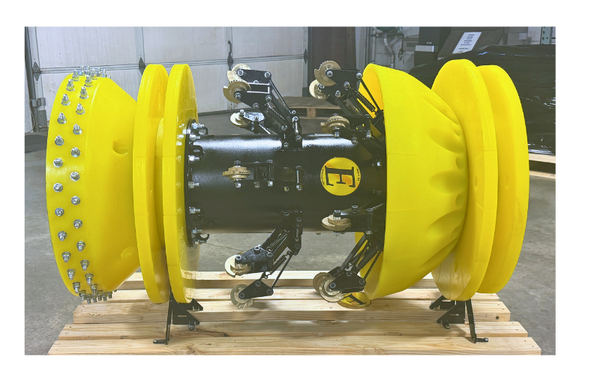
Standard cleaning pigs solve most pipeline cleaning applications. However, some pipelines require a more specialized solution.
A custom cleaning pig may be the right choice if your pipeline involves:
- Hard-packed debris such as calcium carbonate, paraffin, wax, or mill scale
- Multiple or changing internal diameters
- Tight bends or complex pipeline geometry
- Heavy debris loading that overwhelms standard cleaning pigs
- Repeated cleaning runs that are not producing the desired results
- Unique operating conditions or cleaning objectives
How Is a Custom Cleaning Pig Designed?
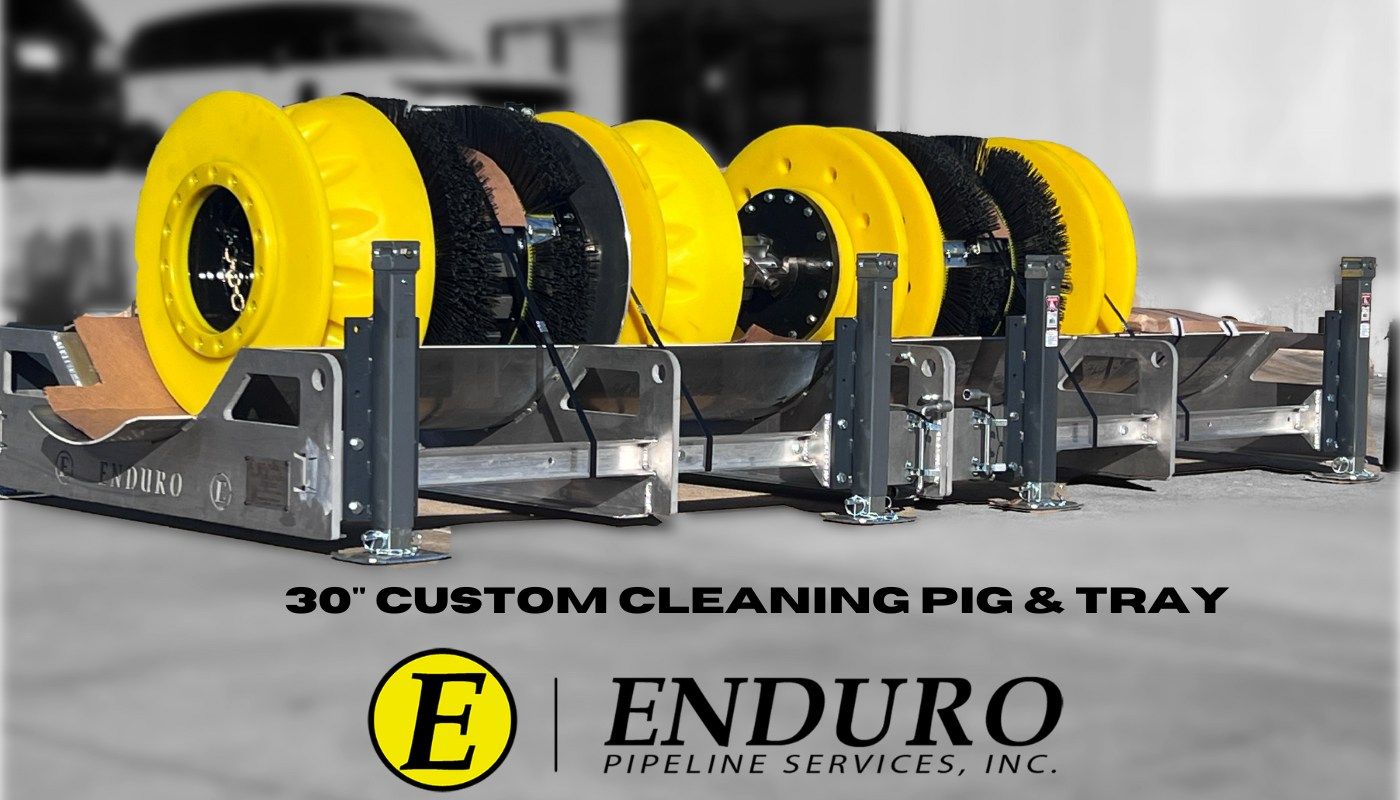
A custom cleaning pig starts with the pipeline and the cleaning objective. Our team reviews the application to understand factors such as pipeline diameter and geometry, bends and restrictions, operating conditions, the material being removed, expected debris volume, previous cleaning results, and launcher and receiver limitations.
From there, the pig can be configured around the application. Depending on the cleaning objective, that may include selecting the appropriate body design, cup or disc arrangement, brush or scraper components, magnets, bypass, and other specialized components.
The design is not based simply on making the pig more aggressive. The goal is to configure a pig that can safely travel through the pipeline while providing the cleaning action needed for the specific application.
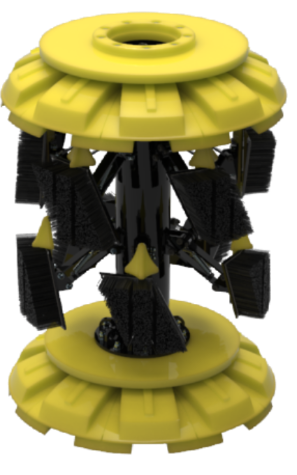
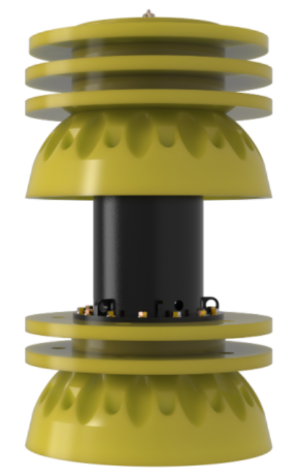
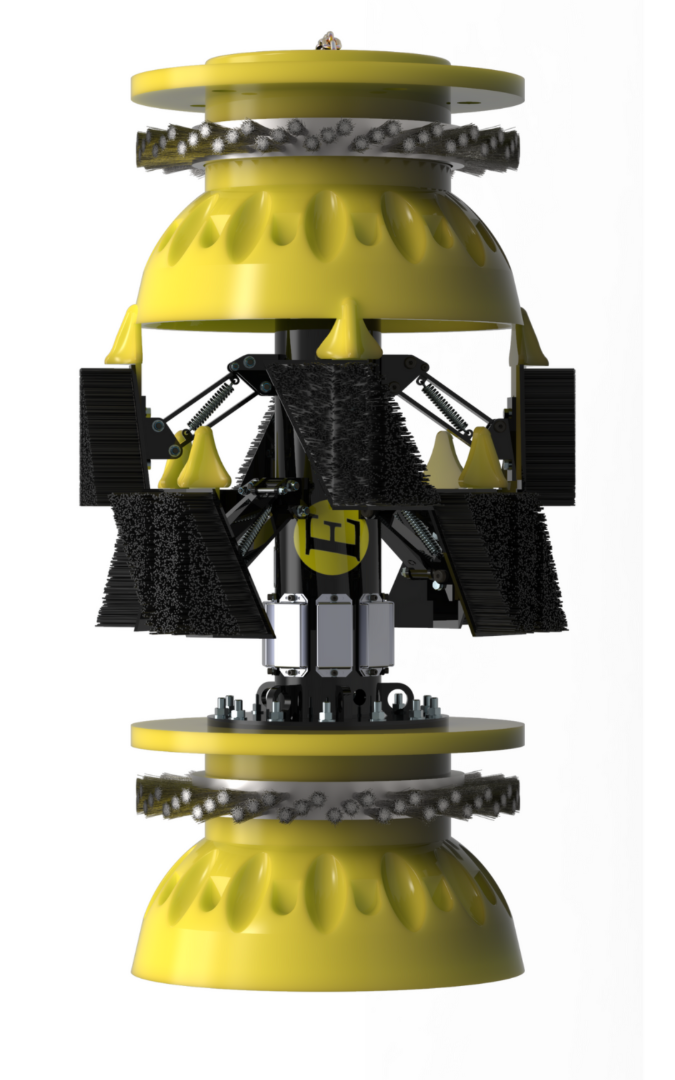
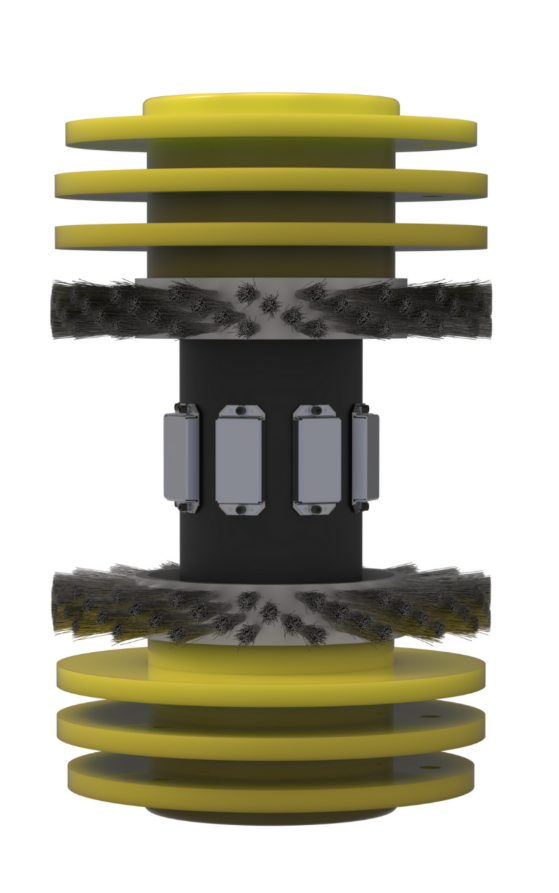
Enduro's Dedicated Cleaning Pig Division works directly with pipeline operators to engineer cleaning pigs for the specific conditions inside their pipeline. From custom cup and disc configurations to specialized brush systems, magnetic assemblies, hammer wheel designs, and complete pig trains, every solution is built around the application—not a standard catalog.
If your current cleaning program isn't achieving the results you need, we'd be happy to review your application and recommend a solution.
Cleaning Pig Cups vs. Discs: What Is the Difference?
Cleaning pig cups and discs are both urethane sealing and cleaning elements, but their shape and performance differ. Cups are directional and are generally selected when strong sealing, wiping action, and one-way travel are priorities. Discs are flat, flexible elements that can provide sealing and cleaning action while allowing configurations suited for bi-directional travel and changes in pipeline geometry. The right choice depends on the cleaning objective, pipeline geometry, operating conditions, and whether the pig needs to travel in one or both directions..
Cleaning Pig Cups
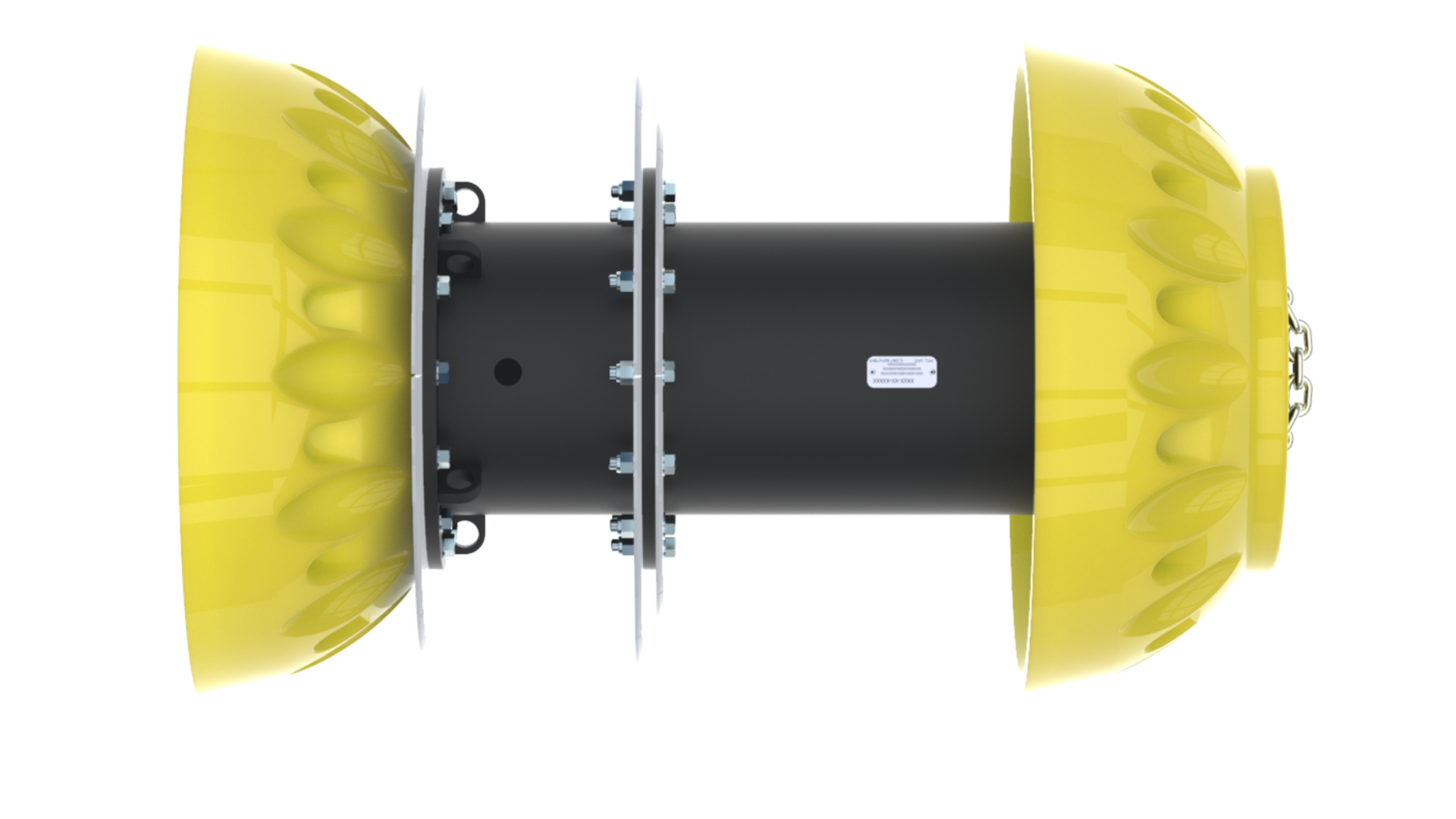
Cups are shaped to maintain contact with the pipe wall and create a strong seal as pressure moves the pig through the pipeline. Their directional shape generally makes them best suited for one-way travel.
Cleaning pig cups are commonly used for:
- Moving liquids or separating products
- Removing loose debris
- Providing a strong pipeline seal
- Supporting cleaning components such as brushes or magnets
- Batching and displacement applications
Cups can also provide a wiping or scraping action against the pipe wall. The cup design, hardness, thickness, and diameter can be adjusted for the operating conditions and the amount of sealing or cleaning force required.
Cup-style cleaning pigs are typically configured for uni-directional operation, meaning the pig is designed to travel through the pipeline from the launcher toward the receiver in one direction. The cup orientation provides sealing and wiping action as the pig moves forward through the line.
Cleaning Pig Discs
Discs are flat urethane sealing elements that flex as the pig travels through the pipeline. Because they do not have the same directional shape as cups, discs are frequently used on bi-directional cleaning pigs.
Cleaning pig discs are commonly used for:
- Bi-directional pigging applications
- Removing liquids and loose debris
- Supporting brush, magnet, or scraper components
- Negotiating changes in pipeline geometry
- Cleaning pipelines where the pig may need to reverse direction
Disc configurations may include sealing discs, guide discs, or combinations designed to provide stability, cleaning contact, and effective differential pressure.
Disc-style configurations can be designed for bi-directional operation, allowing the pig to travel through the pipeline in either direction when the application requires it.
Should You Choose Cups or Discs?
Neither design is automatically better for every pipeline. Cups may be preferred when strong sealing, wiping action, liquid displacement, or one-directional travel are priorities. Discs may be preferred when flexibility, bi-directional operation, or the ability to navigate certain changes in pipeline geometry are important.
The decision should also consider pipeline diameter and geometry, the material being removed, operating conditions, previous pigging results, and the objective of the cleaning run. Some cleaning pigs use a combination of cups and discs to balance sealing, stability, cleaning performance, and pipeline traversability.
Some cleaning pigs use a combination of cups and discs to balance sealing, stability, cleaning performance, and pipeline traversability. Pig selection should be based on the pipeline configuration, contaminants present, operating conditions, and the desired result of the cleaning run.
Need help comparing cleaning pig configurations? Review our Cleaning Pig Comparison Guide or contact Enduro to discuss the pipeline conditions and cleaning objective.
- Moving liquids or separating products
What Are Brush Cleaning Pigs?
Brush cleaning pigs use wire brushes or other abrasive cleaning elements to loosen and remove deposits attached to the internal pipe wall. They are typically used when standard cups or discs alone cannot provide enough mechanical cleaning action.
Depending on the application, brush pigs may help remove:
Rust and loose corrosion products
Mill scale
Hardened or adhered debris
Construction debris
Some wax or paraffin deposits
Material collected around welds and internal pipe surfaces
As the pig moves through the pipeline, the brushes maintain contact with the pipe wall and disturb deposits so they can be carried downstream and recovered.
Types of Brush Configurations
Brushes can be incorporated into several cleaning pig designs. Enduro configurations may include:
Circular brushes
Wrap-around brushes
Replaceable brush components
Brushes combined with cups or discs
Brushes combined with magnets
Custom brush arrangements for unusual pipeline conditions
The appropriate brush configuration depends on the pipe diameter, wall contact required, bend radius, internal restrictions, type of debris, and condition of the pipeline.
When Should a Brush Pig Be Used?
Brush pigs are often introduced as part of a progressive cleaning program. Operators may begin with less aggressive pigs to remove loose material before using brushes to address deposits that remain attached to the pipe wall.
Introducing an aggressive brush pig too early can release a large amount of debris at once. This may increase differential pressure, overload the pig, or create operational challenges. Debris recovery should be evaluated after every run so the next pig can be selected based on actual pipeline conditions.
Brush pigs may also be paired with magnets when both adhered material and ferrous debris are expected. The brushes loosen deposits, while the magnetic components collect black powder, rust flakes, welding debris, and other loose ferrous particles.
Every cleaning program should be developed around the pipeline’s operating history, expected contaminants, restrictions, and final objective.
Planning a cleaning sequence? Use the Pipeline Cleaning Planning Guide to see how operators progress from initial cleaning runs to more aggressive brush, magnetic, gauging, or pre-ILI preparation runs.
What Is a Uni-Directional Pipeline Pig?
A uni-directional pipeline pig is designed to travel through a pipeline in one direction, typically from a launcher to a receiver. Uni-directional cleaning pigs commonly use cups oriented to provide sealing, wiping, and propulsion as differential pressure moves the pig through the pipeline.
Uni-directional pigs can be configured for cleaning, liquid displacement, batching, gauging, and other pigging operations. Depending on the application, the pig may also incorporate brushes, magnets, scraper components, gauge plates, or tracking equipment.
A uni-directional pig may be appropriate when the pigging operation follows a defined flow direction and there is no requirement for the pig to reverse direction in the pipeline. If reverse travel is required, a bi-directional pig configuration may be more appropriate.
The correct configuration depends on the pipeline geometry, operating conditions, cleaning objective, and how the pig will be launched, transported, and received.