
Magnetic Cleaning Pigs Explained
Magnetic cleaning pigs are pipeline cleaning tools equipped with high-strength magnets to capture and remove ferrous debris such as metal particles, rust scale, mill scale, welding debris, and other magnetic material from inside the pipeline. They may be used during routine cleaning, construction cleanup, or pre-ILI cleaning when ferrous debris could interfere with pipeline operations or inspection tools.
Unlike standard cleaning pigs that primarily push or scrape debris through the line, magnetic cleaning pigs are equipped with magnets that attract and hold iron-containing particles as the pig travels through the pipeline.
They are commonly used as part of a cleaning program before inline inspection, hydrotesting, maintenance, or product changeover.
What Is a Magnetic Cleaning Pig?
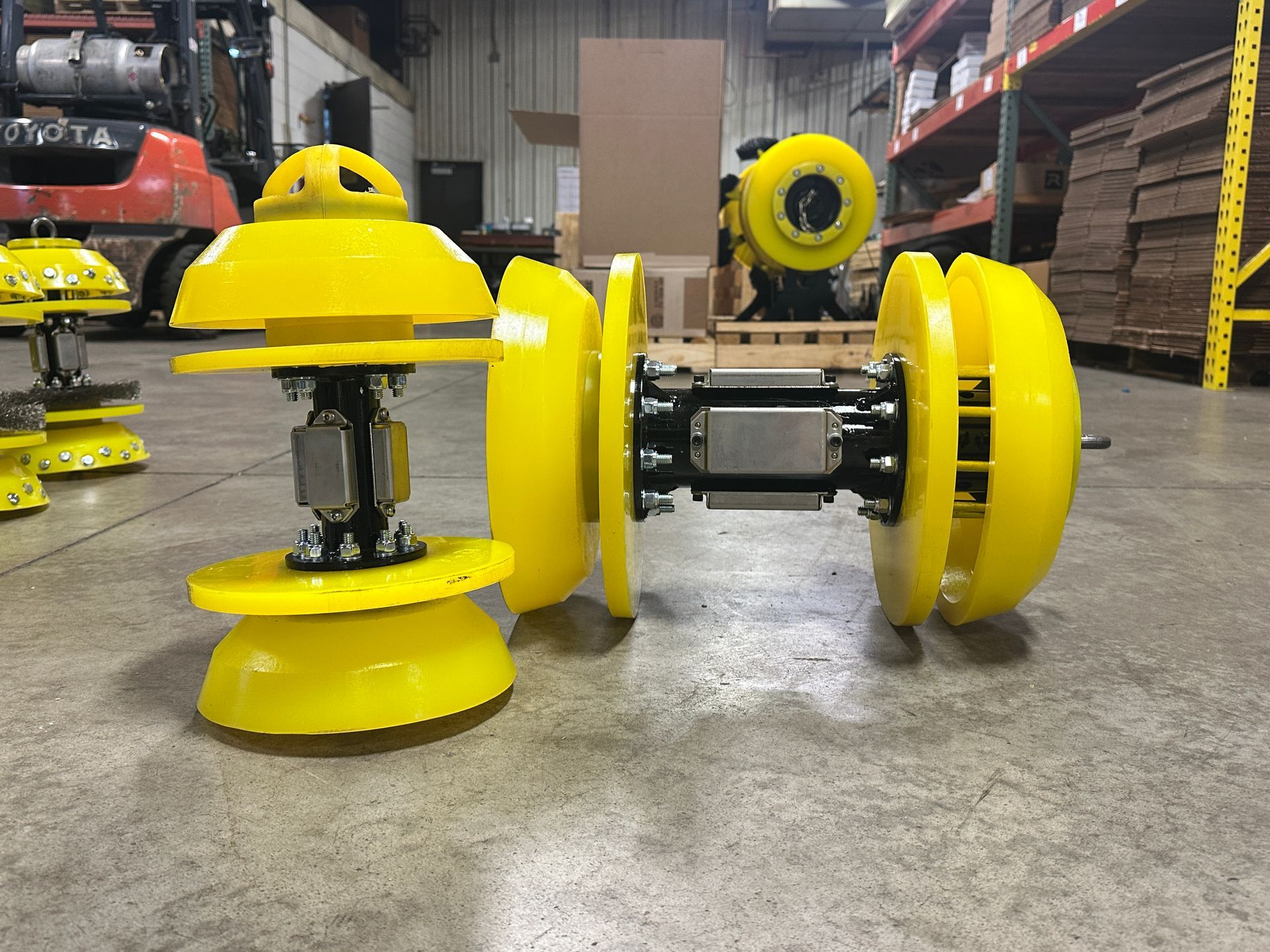
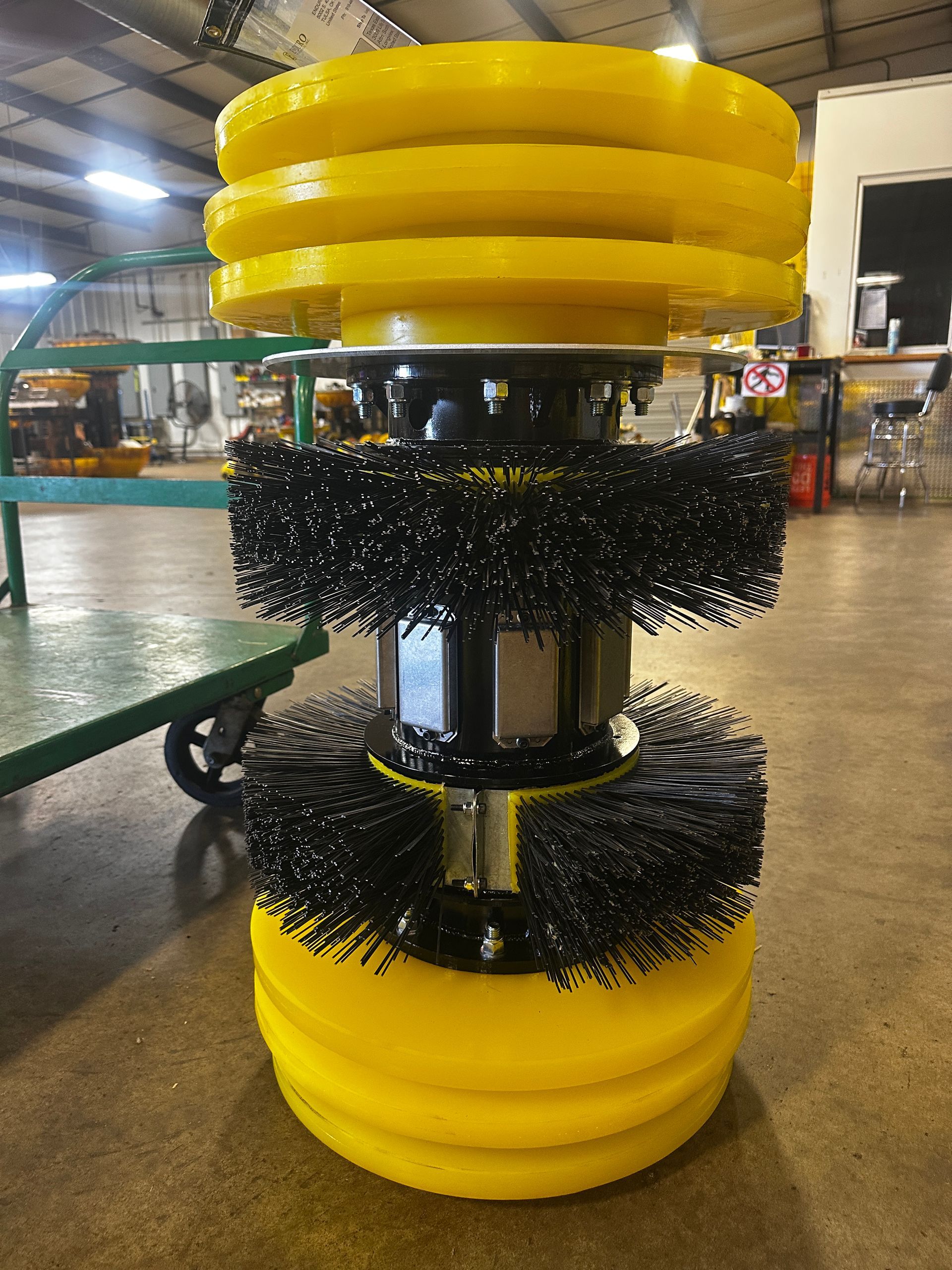
A magnetic cleaning pig is a pipeline cleaning pig designed with magnets attached to the pig body or cleaning elements.
As the pig moves through the pipeline, the magnets capture ferrous material from the pipe wall and product stream.
Magnetic cleaning pigs are often used with other cleaning components, such as:
- Cups
- Discs
- Brushes
- Blades
- Studded cups
- Transmitter cavities
This allows the pig to both scrape and collect debris during the same run.
What Do Magnetic Cleaning Pigs Remove?
Magnetic cleaning pigs are designed to capture ferrous debris, meaning debris that contains iron and is attracted to magnets.
They are commonly used to remove:
- Iron oxide
- Iron sulfide
- Mill scale
- Metal shavings
- Welding debris
- Rust particles
- Magnetic black powder particles
They are especially helpful when a pipeline contains fine metallic particles that may otherwise continue moving through the system.
What Is Ferrous Debris in a Pipeline?
Ferrous debris is iron-containing material inside a pipeline that is attracted to magnets. It can include iron oxide, iron sulfide, rust particles, mill scale, metal shavings, welding debris, and the magnetic portion of black powder. Because not all pipeline contaminants are ferrous, magnetic cleaning pigs are typically used as part of a broader cleaning program when both magnetic and non-magnetic debris may be present.
How Do Magnetic Cleaning Pigs Remove Black Powder?
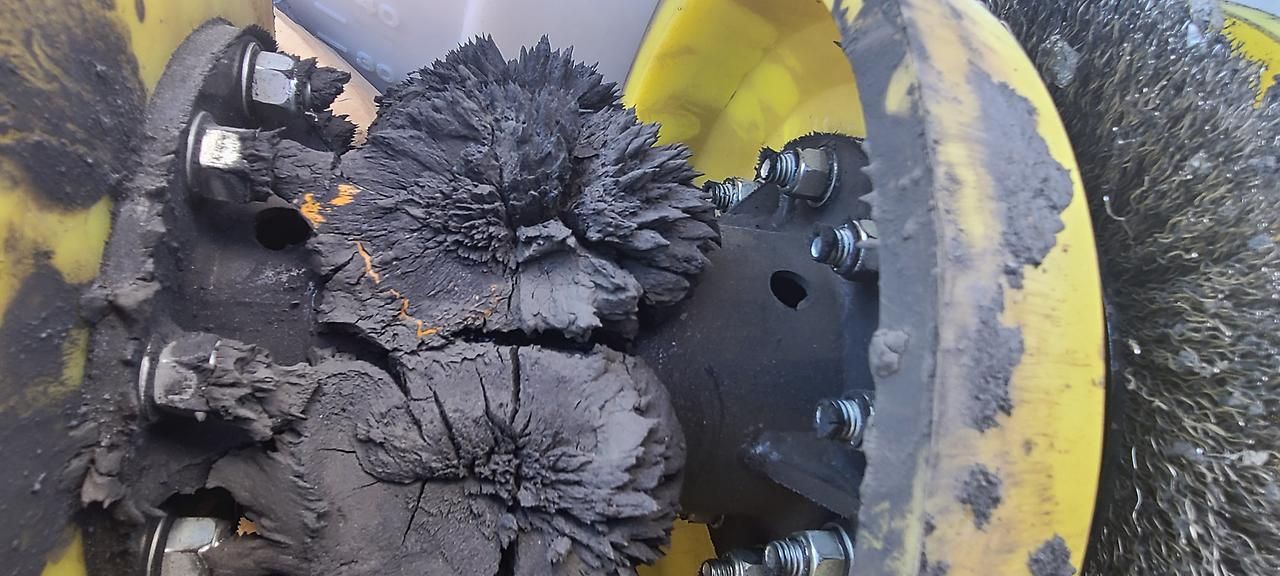
Magnetic cleaning pigs attract and retain the ferrous portion of black powder, including iron oxides and other magnetic particles. Because black powder may also contain non-ferrous material, magnetic pigs are often used together with brushes and other cleaning elements during progressive cleaning programs
Are Magnetic Cleaning Pigs Used for Black Powder?
Yes, but with one important clarification.
Black powder is not always 100% magnetic. It may contain both ferrous and non-ferrous materials.
Magnetic cleaning pigs capture the ferrous portion of black powder, such as iron oxide, iron sulfide, and mill scale. Non-ferrous debris such as sand, dirt, dust, and some construction debris may still require brushes, discs, or additional cleaning runs.
Related Article:
➡
What Causes Black Powder in Pipelines?
Why Are Magnetic Cleaning Pigs Important?
Ferrous debris can cause serious operational problems if it is not removed.
Magnetic cleaning pigs help reduce:
- Debris buildup
- Filter plugging
- Valve damage
- Instrument contamination
- Compressor wear
- Poor ILI data quality
- Repeat cleaning runs
- Risk of debris being carried downstream
They are especially valuable when preparing a pipeline for inline inspection because ferrous particles can interfere with inspection tool performance.
How Magnetic Cleaning Pigs Help Before Inline Inspection
Inline inspection tools need consistent contact with the pipe wall to collect accurate data.
Excessive ferrous debris can:
- Lift sensors away from the pipe wall
- Interfere with MFL tool performance
- Create noisy data
- Hide corrosion features
- Increase uncertainty in inspection results
- Lead to additional cleaning requirements before inspection
Magnetic cleaning pigs help remove ferrous debris, but operators must still evaluate whether additional cleaning is needed.
Related Article:
➡
Preparing for an Inline Inspection
Magnetic Cleaning Pigs vs. Brush Pigs
Magnetic pigs and brush pigs are often used together, but they do different jobs.
Brush Pigs
Brush pigs are designed to loosen stuck-on debris from the pipe wall.
They are useful for:
- Mill scale
- Rust
- Paraffin
- Light deposits
- Construction debris
Magnetic Cleaning Pigs
Magnetic pigs are designed to capture ferrous particles after they are loosened.
They are useful for:
- Iron oxide
- Metal particles
- Magnetic black powder
- Mill scale
- Fine ferrous debris
In many cleaning programs, brushes loosen the material and magnets collect it.
When Should You Use a Magnetic Cleaning Pig?
A magnetic cleaning pig may be recommended when:
- Black powder is present
- Ferrous debris is suspected
- A pipeline is being prepared for ILI
- Filters are plugging frequently
- Metal particles are found during pigging
- The pipeline has not been cleaned in a long time
- Construction debris may still be present
- Previous cleaning runs continue producing metallic debris
Can Magnets Remove All Pipeline Debris?
No.
Magnets only capture material that is attracted to magnets.
They will not remove all:
- Sand
- Dirt
- Dust
- Liquids
- Paraffin
- Wax
- Asphaltenes
- Non-metallic construction debris
That is why magnetic cleaning pigs are usually part of a larger cleaning program, not the only cleaning tool used.
Do Magnetic Cleaning Pigs Need Multiple Runs?
Often, yes.
In pipelines with heavy black powder or ferrous debris, magnets can become loaded quickly. Once the magnets are covered, their ability to collect additional debris is reduced.
For this reason, operators may need multiple magnetic cleaning runs until the amount of collected debris decreases.
A typical cleaning sequence may include:
- Initial cleaning pig
- Brush pig
- Magnetic cleaning pig
- Additional magnetic or brush runs
- Final verification cleaning run
- Inline inspection tool
Choosing the Right Magnetic Cleaning Pig
The right pig depends on the pipeline and cleaning objective.
Important factors include:
- Pipeline diameter
- Bend radius
- Product type
- Amount of debris
- Type of debris
- Pipeline length
- Inspection requirements
- Need for brushes, blades, or discs
- Whether transmitter tracking is needed
Enduro can incorporate magnets into cleaning pigs designed for specific pipeline conditions.
Common Applications
Magnetic cleaning pigs are commonly used for:
- Natural gas transmission pipelines
- Natural gas gathering systems
- Crude oil pipelines
- Refined product pipelines
- NGL pipelines
- Pre-ILI cleaning
- Post-construction cleaning
- Maintenance pigging
- Debris removal programs
Signs You May Need Magnetic Cleaning
You may need magnetic cleaning pigs if you are seeing:
- Black residue on pigs
- Metallic debris in filters
- Frequent filter changeouts
- Dirty separators
- Poor inspection data
- High debris volumes after multiple runs
- Fine metal particles during maintenance
- Evidence of mill scale or internal corrosion products
Not Sure If Magnetic Cleaning Is Right for Your Pipeline?
Magnetic cleaning pigs aren't the right solution for every application. If you'd like help determining whether they fit your cleaning program, ask our team.
Frequently Asked Questions
What is a magnetic cleaning pig?
A magnetic cleaning pig is a pipeline pig equipped with magnets to capture ferrous debris from inside the pipeline.
Do magnetic cleaning pigs remove black powder?
They remove the magnetic portion of black powder, including iron oxide, iron sulfide, mill scale, and other ferrous particles.
For more information, see our page on black powder removal.
Are magnetic pigs better than brush pigs?
Not necessarily. They serve different purposes. Brushes loosen debris, while magnets capture ferrous particles. Many cleaning programs use both.
Can magnets remove paraffin?
No. Paraffin is not magnetic. Paraffin removal usually requires scraping, brushing, blades, or specialized cleaning pig designs.
How many magnetic pig runs are needed?
It depends on the amount of ferrous debris in the line. Some pipelines require several runs before debris volumes decrease.
Are magnetic cleaning pigs used before ILI?
Yes. They are commonly used before inline inspection to help remove ferrous debris that may affect tool performance and data quality.
What pipeline contaminants are magnetic?
Ferrous contaminants including black powder, mill scale, rust flakes, welding debris, and loose steel particles are magnetic and can be removed using cleaning pigs equipped with rare-earth magnets. Non-ferrous materials such as paraffin, wax, sand, and liquids require different cleaning methods.
Related Articles
Pipeline Cleaning Services
https://www.enduropls.com/cleaning
What Causes Black Powder in Pipelines?
https://www.enduropls.com/what-causes-black-powder-in-pipelines
Preparing for an Inline Inspection
https://www.enduropls.com/preparing-for-an-inline-inspection
Many people confuse mill scale with black powder, but they're not the same thing. Learn more about mill scale and how it can impact data quality.
Dealing With Ferrous Debris or Black Powder?
Ferrous debris, black powder, and mill scale can vary significantly from one pipeline to another. The right cleaning pig depends on the debris type, pipeline conditions, and inspection goals.
Enduro’s cleaning specialists can help recommend the right pig configuration for your application.
Call 800-752-1628 or contact Enduro to discuss Magnetic Cleaning.