
What Causes Black Powder in Pipelines?
Black powder is one of the most common contaminants found inside carbon steel pipelines, particularly natural gas transmission and gathering systems. Although the name sounds alarming, black powder is not an explosive. It is a mixture of corrosion products, mill scale, iron sulfides, iron oxides, and other debris that forms or accumulates inside pipelines over time.
If left unmanaged, black powder can reduce operational efficiency, increase equipment wear, contaminate products, and negatively impact inline inspection (ILI) results. Understanding where black powder comes from—and how to remove it—is an important part of maintaining pipeline integrity.
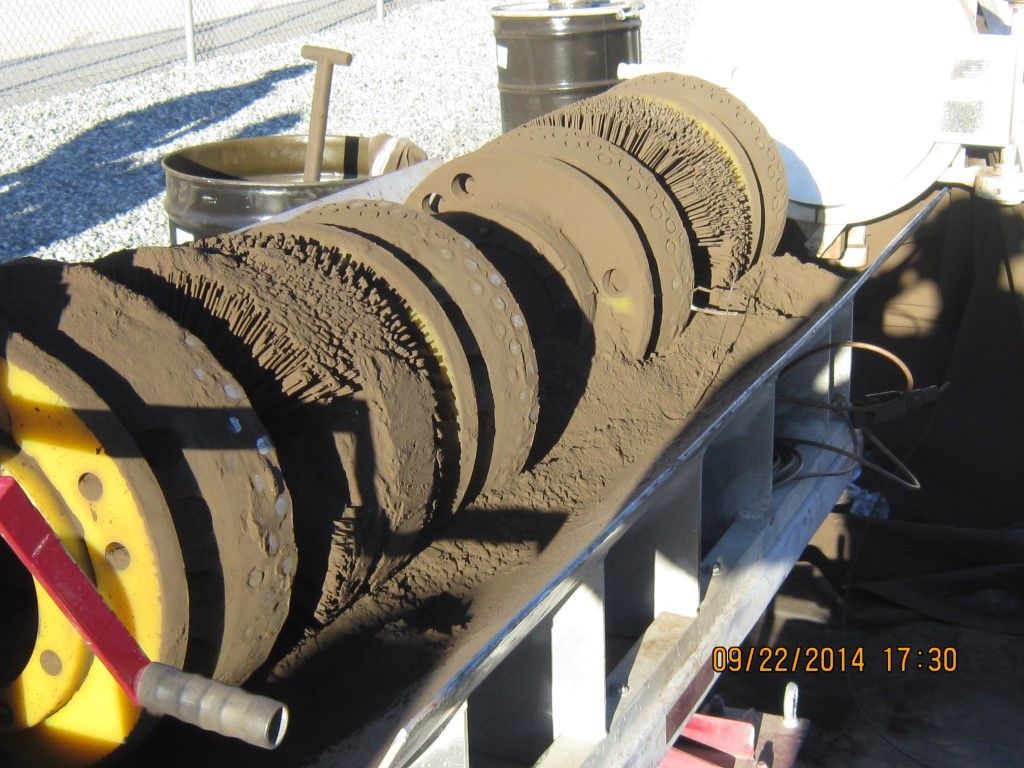
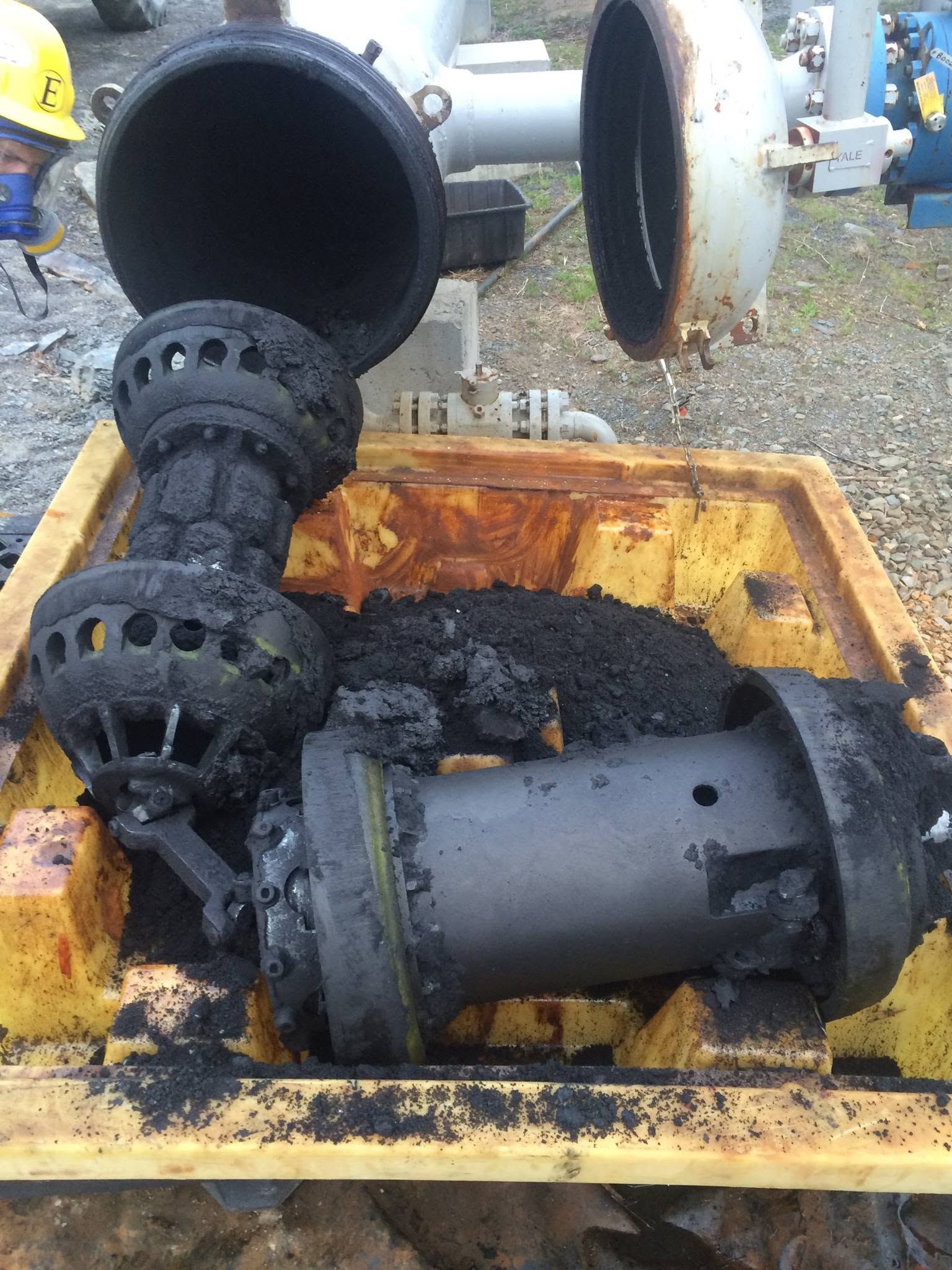
Table of Contents:
- What Is Black Powder?
- What Types of Pipelines Develop Black Powder?
- What Causes Black Powder?
- Why Is Black Powder a Problem?
- Black Powder vs. Ferrous Debris
- How Black Powder Affects Inline Inspection (ILI)
- How Is Black Powder Removed?
- Choosing the Right Cleaning Pig
- How Many Cleaning Runs Are Required?
- Signs Your Pipeline May Have Black Powder
- Frequently Asked Questions
What Is Black Powder?
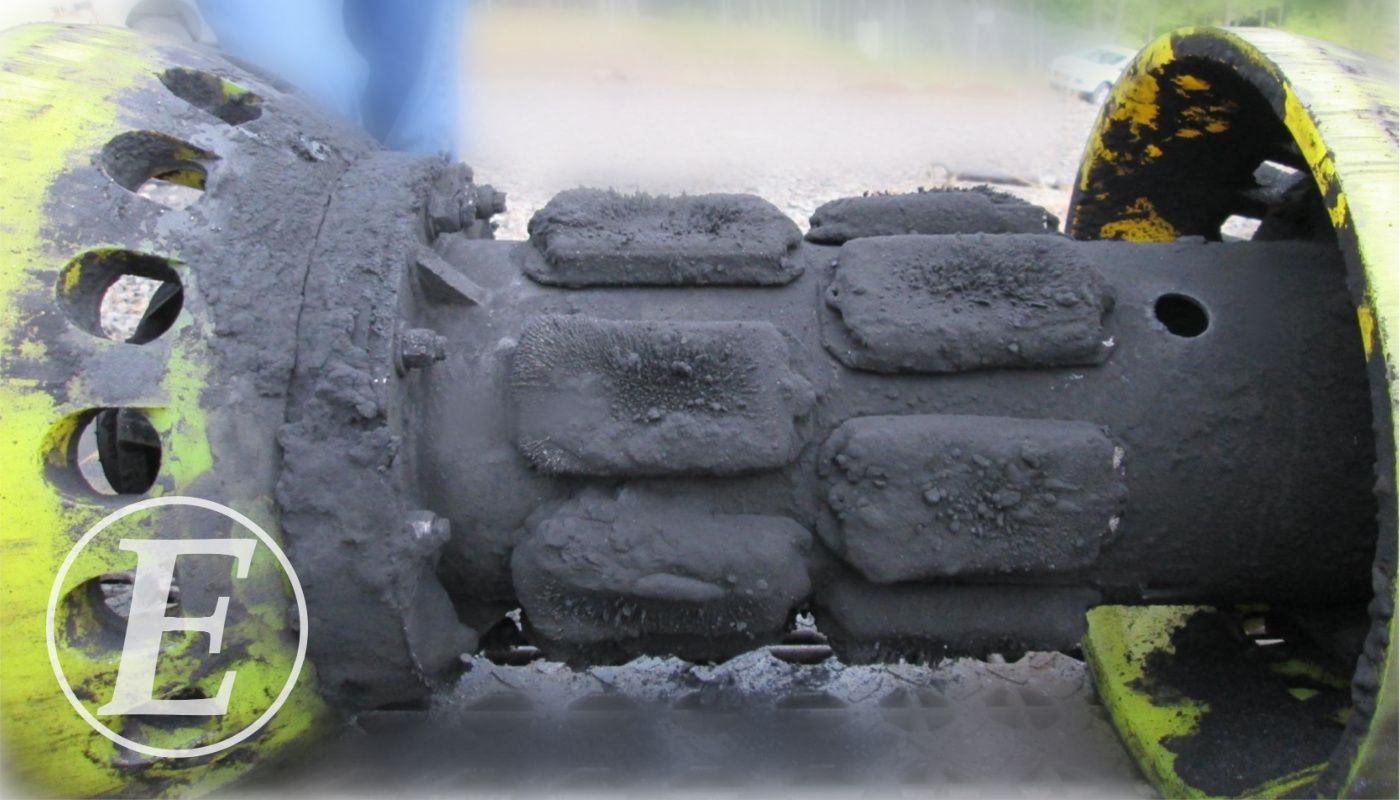
Black powder is a broad industry term for the fine particulate matter that accumulates inside pipelines. It typically consists of a mix of metallic corrosion products and other contaminants that become suspended in the product stream or settle inside the pipeline.
Black powder may contain:
- Iron oxide (rust)
- Iron sulfide
- Mill scale
- Welding debris
- Metallic particles
- Sand
- Dirt
- Dust
- Other corrosion by-products
The composition varies from one pipeline to another depending on the product transported, operating conditions, pipeline age, and maintenance history.
What Types of Pipelines Develop Black Powder?
Black powder can develop in nearly any carbon steel pipeline, although it is most commonly associated with natural gas systems.
Common examples include:
Natural Gas Transmission Pipelines
Long-distance transmission lines frequently accumulate corrosion products and mill scale over many years of operation.
Natural Gas Gathering Systems
Gathering systems often transport gas containing varying amounts of moisture and contaminants, creating conditions where black powder can develop.
Gas Distribution Pipelines
Older steel distribution systems may also accumulate black powder as corrosion products gradually break loose from the pipe wall.
NGL Pipelines
Natural gas liquid pipelines may contain black powder depending on operating conditions and previous maintenance practices.
Crude Oil and Refined Product Pipelines
While liquid pipelines often experience wax, paraffin, sludge, and asphaltenes, they may also contain black powder and metallic debris.
Note: Black powder is generally not a concern in polyethylene (PE), fiberglass, or other non-metallic pipelines because these materials do not produce iron oxide or mill scale.
What Causes Black Powder?
Several different mechanisms contribute to black powder formation.
Internal Corrosion
Even dry natural gas pipelines experience some internal corrosion over time. Moisture, oxygen introduced during maintenance, and naturally occurring contaminants react with the steel pipe wall, producing corrosion products.
Mill Scale
Mill scale is created during the steel manufacturing process. If not completely removed during construction, portions of this hard oxide layer can eventually break loose and become black powder.
Welding and Construction Debris
Particles left behind during construction, repairs, or modifications can remain inside the pipeline and become part of future pigging debris.
Normal Pipeline Wear
Pressure fluctuations, vibration, and changing flow conditions gradually loosen particles from the pipeline wall and internal components.
Why Is Black Powder a Problem?
Although individual particles are small, black powder can have significant operational consequences.
It may lead to:
- Increased pressure losses
- Reduced flow efficiency
- Excessive filter replacements
- Premature compressor wear
- Valve damage
- Instrument contamination
- Increased maintenance costs
- Poor inline inspection performance
Black Powder vs. Ferrous Debris
Although the terms are often used interchangeably, they are not the same thing. Black powder is the overall mixture of contaminants found inside a pipeline. Ferrous debris refers only to the iron-containing portion of that material.
Black Powder may contain:
✔ Iron oxide
✔ Iron sulfide
✔ Mill scale
✔ Sand
✔ Dirt
✔ Dust
✔ Welding residue
Because magnets only attract ferrous materials, magnetic cleaning pigs capture the magnetic portion of black powder, while brushes, discs, and other cleaning elements remove the remaining debris.
How Black Powder Affects Inline Inspection (ILI)
Inline inspection tools rely on consistent contact with the pipe wall to collect accurate inspection data.
Excessive black powder can:
- Lift sensors away from the pipe wall
- Reduce magnetic flux leakage performance
- Interfere with caliper measurements
- Hide corrosion features
- Increase data uncertainty
- Require repeat cleaning runs before inspection
Proper cleaning before an inline inspection helps maximize data quality and reduces the likelihood of costly reruns.
Ferrous particles can settle into metal-loss features and interfere with signal interpretation. Learn more about how ferrous debris can affect MFL inspection data.
Related Article:
➡
Preparing for an Inline Inspection
What Type of Pipeline Pig Removes Black Powder?
Black powder can be removed from pipelines through a planned mechanical cleaning program using cleaning pigs configured for the type and volume of debris present. Brushes can help loosen deposits from the pipe wall, while magnets can capture ferrous particles and help carry magnetic debris out of the pipeline. Multiple cleaning runs may be required when black powder accumulation is significant, with recovered debris and pig condition evaluated after each run to help determine the next cleaning step.
Removing black powder typically requires a progressive cleaning program rather than a single pig run. Because black powder can contain both ferrous and non-ferrous material, effective removal may require a combination of mechanical cleaning, magnetic capture, sealing elements, and repeated pigging runs.
Mechanical Cleaning
Brushes, scraping elements, discs, and other cleaning components can loosen deposits from the pipe wall and move accumulated debris through the pipeline. The appropriate cleaning elements depend on the composition and condition of the material being removed.
Magnetic Cleaning
Magnet-equipped cleaning pigs capture the ferrous portion of black powder, including iron-containing particles and metallic debris. Magnets do not remove every component of black powder because sand, dirt, dust, and other non-ferrous materials are not attracted to them.
As magnetic elements collect ferrous debris, their available collection capacity can decrease. Evaluating the material recovered after each run can help determine whether another magnetic cleaning run is needed.
Debris Transport
Loosening debris is only part of the cleaning process. Cups and discs help maintain sealing performance and move loosened material toward the receiver. Pig configuration should consider the expected debris volume, pipeline geometry, and operating conditions.
Progressive Cleaning Runs
Heavy black powder accumulation may require multiple cleaning runs. Operators can evaluate the pig condition and the type and volume of debris recovered after each run. If significant debris continues to return, you may need additional runs or a different cleaning pig configuration.
No single pig configuration is best for every black powder application. Base the cleaning approach on the debris composition, pipeline conditions, previous pigging results, and the objective of the cleaning program.
Common Pig Configurations for Black Powder Removal
The best pig for black powder removal depends on the debris' composition. Magnetic cleaning pigs capture ferrous material, brush-equipped pigs loosen adhered deposits, and cups or discs help transport loosened material through the pipeline. In many applications, the most effective approach combines cleaning elements or uses a sequence of different pig configurations.
Brush Pigs
Ideal for loosening stubborn deposits.
Magnetic Cleaning Pigs
Capture ferrous debris such as iron oxide and mill scale.
Urethane Cleaning Pigs
Provide excellent sealing while transporting debris through the pipeline.
Custom Cleaning Pigs
Some applications require combinations of:
- Brushes
- Magnets
- Blades
- Studded cups
- Multiple sealing discs
How Many Cleaning Runs Are Required?
There is no universal answer.
The number of cleaning runs depends on:
- Pipeline length
- Product transported
- Pipeline age
- Amount of black powder
- Previous pigging history
- Inspection requirements
Many operators keep cleaning until debris levels drop and inspection objectives are met. Learn how operators evaluate whether a pipeline is clean enough.
Signs Your Pipeline May Have Black Powder
You may have excessive black powder if you experience:
- Frequent filter replacements
- Dirty separators
- Increased compressor wear
- Dirty cleaning pigs after multiple runs
- Poor inline inspection results
- Black residue during maintenance
- Unexpected pressure losses
Technical Insight
Cleaning Black Powder Is Only Part of the Solution
Removing black powder from a pipeline is important, but understanding why it continues to accumulate is equally valuable.
Black powder forms as corrosion products and other ferrous materials move through the system. Without understanding the source, operators may find themselves repeating the same cleaning program while the underlying conditions remain unchanged.
Evaluating how quickly black powder returns, where it accumulates, and how it affects pipeline operations can help operators develop a more effective long-term maintenance strategy.
Removing black powder often requires multiple cleaning runs and adjustments to the cleaning pig configuration. Learn how operators plan successful cleaning programs for changing pipeline conditions. Pipeline Cleaning Planning Guide →
Frequently Asked Questions
Is black powder always caused by corrosion?
No. Corrosion is one source, but black powder may also contain mill scale, welding debris, metallic particles, sand, dust, and other contaminants.
Is black powder the same as ferrous debris?
No. Ferrous debris refers only to the iron-containing portion of black powder.
Can magnets remove all black powder?
No. Magnets capture ferrous particles, while brushes, discs, and multiple pigging runs are often needed to remove the remaining non-ferrous material.
Can one pig run remove all black powder?
Usually not. Most cleaning programs involve multiple pigging runs to progressively remove debris and verify cleanliness.
Does every pipeline develop black powder?
No. While many carbon steel pipelines accumulate black powder over time, the amount depends on pipeline material, operating conditions, age, maintenance history, and the product being transported.
What removes black powder from pipelines?
Black powder is commonly removed using progressive cleaning pig programs. Depending on the debris volume, operators may use cups, brushes, magnets, scraper components, or custom cleaning pigs to safely remove the accumulated material while monitoring debris loads throughout the cleaning process.
Related Articles
Pipeline Cleaning Services
Pipeline Cleaning Services & Cleaning Pigs | Enduro
Preparing for an Inline Inspection
Preparing for an Inline Inspection (ILI) | Enduro
Pipeline Cleaning Pig Comparison
Pipeline Pig Types & Selection Guide | Enduro
Magnetic Cleaning Pigs Explained
Magnetic Cleaning Pigs Explained | Enduro Pipeline
Not Sure How Much Cleaning Your Pipeline Needs?
Every pipeline is different. The amount and type of black powder can vary significantly based on the product transported, pipeline age, operating conditions, and maintenance history.
Our technical specialists work with operators every day to recommend cleaning programs, cleaning pig configurations, and inspection preparation strategies based on your specific application.
Call us at 800-752-1628 or contact our team to discuss your pipeline cleaning project.