
Enduro Pipeline Services manufactures pipeline cleaning pigs and pigging equipment built for real pipeline conditions. From standard urethane pigs to fully custom steel-bodied cleaning pigs, we help operators remove paraffin, scale, liquids, and debris while preparing lines for safer operation and more accurate inline inspection results.
Whether you need pigs for routine maintenance, batching, dewatering, pre-ILI cleaning, or difficult line conditions, our Tulsa-built cleaning pigs are designed for the job. We build for your pipeline size, bend radius, debris load, and operating conditions — with fast turnaround and expert support from a dedicated Cleaning Pig Division.
Need help choosing the right pig?
Request a Quick Quote or contact our team at
800-752-1628
How to Select the Right Pipeline Cleaning Pig
The correct cleaning pig depends on:
- Pipeline diameter
- Debris type
- Paraffin accumulation
- Black powder presence
- Flow conditions
- Inspection requirements
Choosing the right cleaning pig is only one part of a successful cleaning program. Learn how pipeline operators evaluate debris, determine cleaning sequences, and select the appropriate pig configurations in our comprehensive planning guide.
Pipeline Cleaning Planning Guide →
What Is the Best Pipeline Cleaning Pig?
There isn't a single cleaning pig that's best for every pipeline. The best cleaning pig depends on the type of debris, pipeline diameter, product being transported, operating conditions, and cleaning objectives.
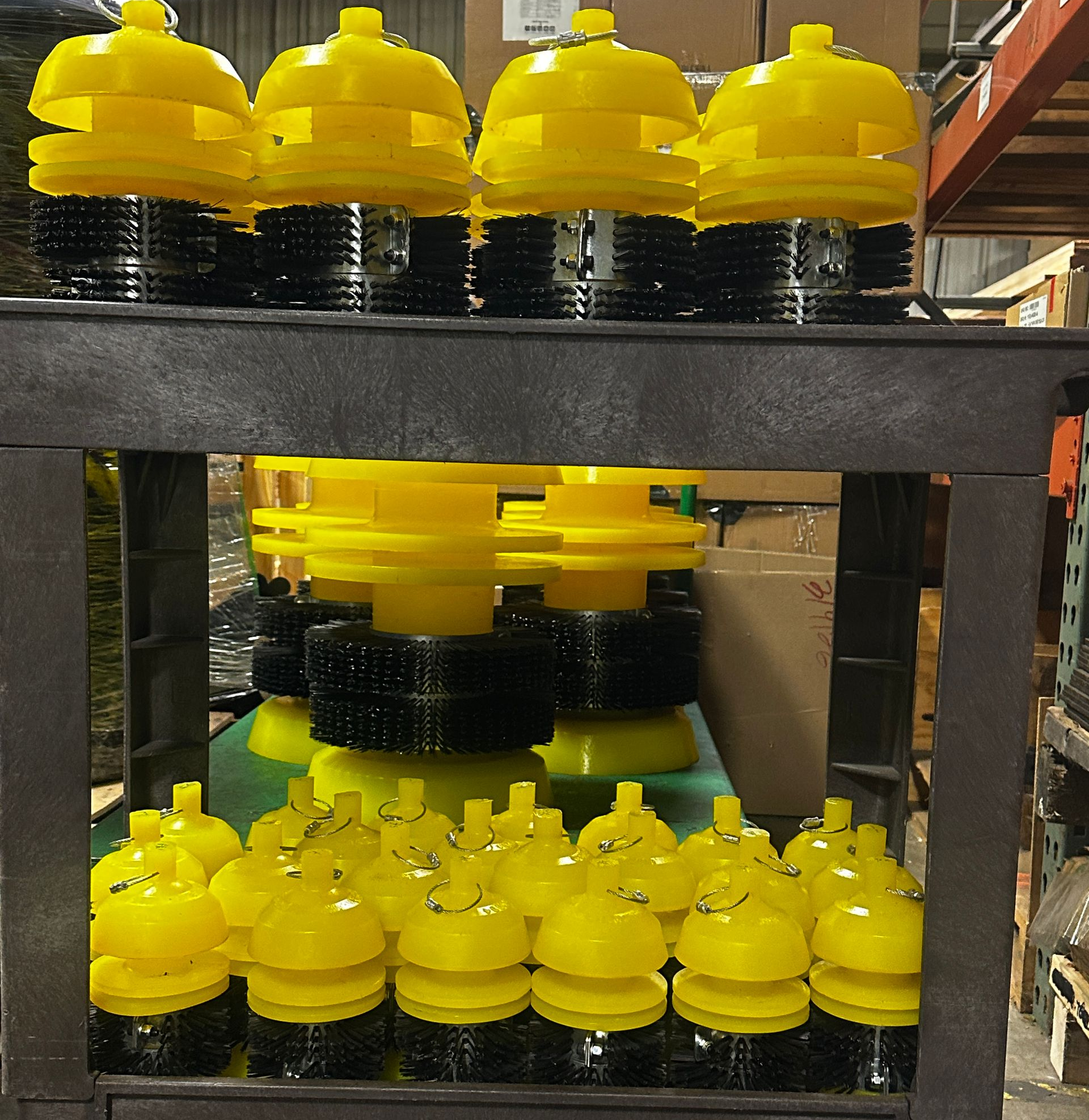
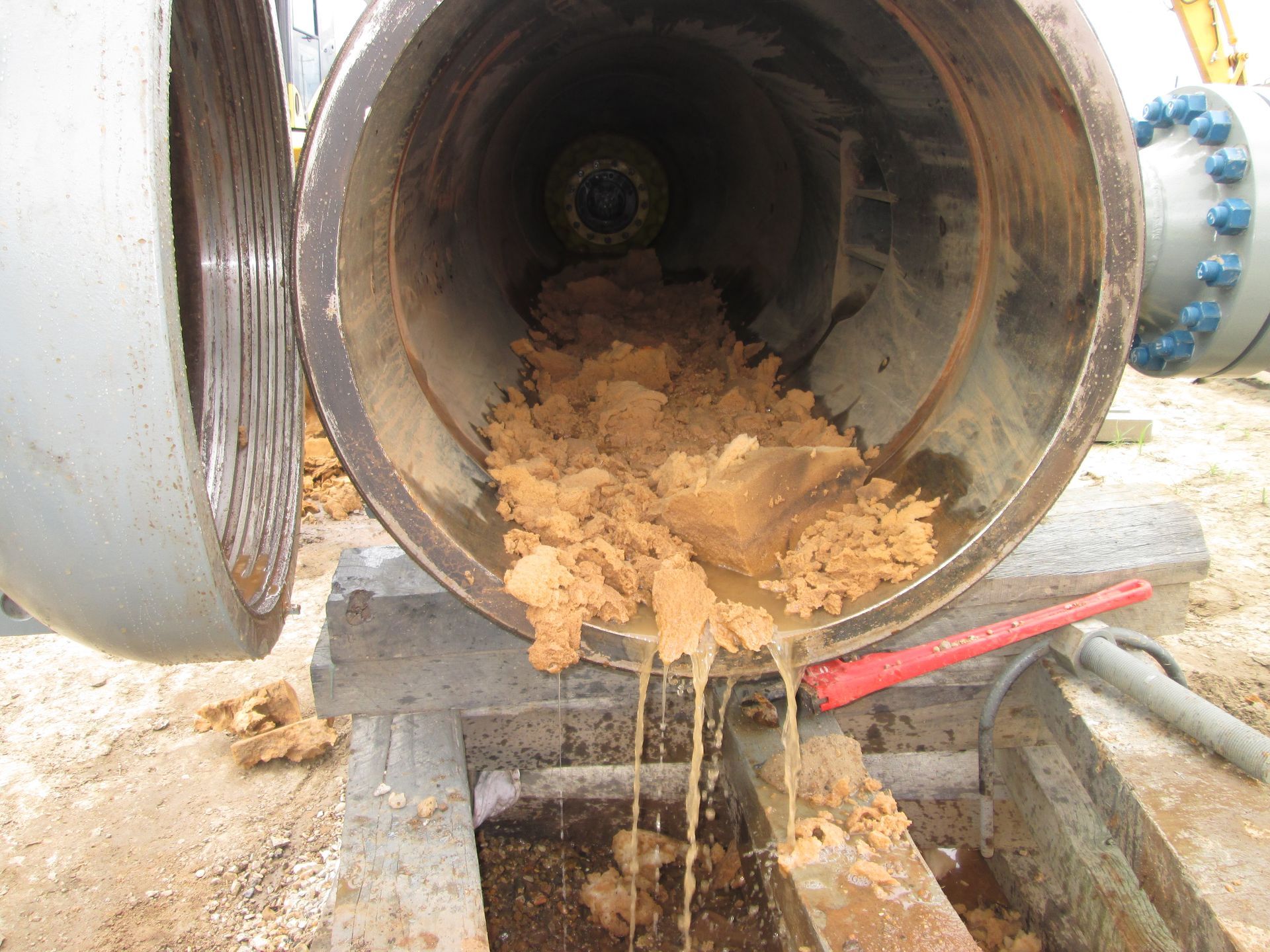
Pipeline Pigging Equipment Built for Your Application
Not every pipeline needs the same cleaning pig. That is why Enduro offers multiple cleaning pig configurations for different products, operating environments, and inspection goals.
Our cleaning pig options include:
- Urethane Cleaning Pigs for routine cleaning and maintenance
- Bi-Directional Cleaning Pigs for displacement, fill, and hydrotest support
- Dual Diameter Cleaning Pigs for lines with changing internal diameters
- Brush and Gauge Pigs for more aggressive cleaning and proving runs
- Custom Cleaning Pigs engineered for specific pipeline challenges
- Pre-ILI Cleaning Solutions to improve inspection readiness and reduce rerun risk
If your line has heavy debris, changing wall thickness, tight bends, or special operational requirements, our team can help design the right solution.
Common Pipeline Cleaning Problems
Pipeline cleaning is not always straightforward. Every pipeline system has different operating conditions, product types, flow rates, and debris challenges. Selecting the wrong cleaning pig can reduce cleaning efficiency, damage tools, or create unnecessary downtime.
Some of the most common pipeline cleaning challenges include:
Wax & Paraffin Buildup
Wax accumulation can restrict flow and reduce pipeline efficiency. Aggressive brushing, proper sealing, and repeated cleaning programs are often required to remove heavy deposits.
Scale & Hard Debris
Mineral scale, rust, and hardened debris may require specialized brush configurations, magnets, scraper discs, or multiple cleaning runs.
Liquid Hold-Up & Debris Accumulation
Low spots, inconsistent flow, and older pipelines can allow liquids and debris to collect inside the line, increasing the risk of corrosion and poor ILI data quality.
Diameter Changes
Pipelines with changing diameters require specially designed dual diameter cleaning pigs capable of maintaining an effective seal through both pipeline sizes.
Difficult Bends & Restrictions
Tight-radius bends, valves, and pipeline restrictions require flexible cleaning pig designs engineered to navigate challenging pipeline geometry.
Preparing for Inline Inspection (ILI)
Proper pipeline cleaning is critical before running caliper, MFL, geometry, or crack inspection tools. Inadequate cleaning can reduce inspection accuracy and increase operational risk.
Why Operators Choose Enduro for Pipeline Cleaning Pigs
Fast Turnaround
When pigging schedules are tight, long lead times create real risk. Enduro’s dedicated Cleaning Pig Division helps operators get standard and custom cleaning pigs faster than typical suppliers.
Tulsa-Built Manufacturing
Our cleaning pigs are built in Tulsa, Oklahoma, giving customers a dependable U.S.-based source for pipeline pigging equipment and custom support.
Custom-Engineered Solutions
We design pigs for actual pipeline conditions — not just catalog specs. That includes considerations like debris load, line changes, bend radius, sealing requirements, and inspection preparation.
Better Inspection Preparation
Proper cleaning matters before inline inspection. Removing debris and buildup can help improve tool performance, reduce avoidable reruns, and support more reliable inspection results.
Explore Enduro Cleaning Pig Options
Looking for a specific type of pipeline cleaning pig? Explore related solutions:
PIPELINE Cleaning Pig Comparison
Pipeline pigging operations use different pig designs depending on debris type, pipeline configuration, and operational objectives. The table below compares the most common pipeline cleaning pig types used in pigging operations. You can also learn more about our rebuild kits for select tools here.
Pig Type
Best Used For
Pipeline Conditions
Typical Applications
Aggressive cleaning and debris removal
Cleaning programs, debris removal, maintenance pigging
Product batching, debris removal, routine pigging
Cleaning across diameter changes, ILI preparation
Cleaning, batching, debris removal
Light cleaning and drying operations
Pipelines with fittings, wall changes, or heavy debris
Cleaning and batching operations
Pipelines with diameter transitions
Pipelines requiring bidirectional travel
Pipelines requiring flexible sealing and durability
Short runs or pipelines with minimal debris
Cleaning programs, debris removal, maintenance pigging
Standard pipeline cleaning and batching programs
Cleaning across diameter changes, ILI preparation
Fill and displacement operations, hydrotesting
Pipelines requiring flexible sealing and durability
Short runs or pipelines with minimal debris
Foam Pigs vs Urethane Cleaning Pigs
Not every pipeline cleaning application requires the same type of pig. Understanding the differences between foam pigs and urethane cleaning pigs can help operators select the right tool for the job.
Foam Pigs
Foam pigs are lightweight and highly flexible, making them useful for certain low-pressure applications, drying operations, or light debris removal.
However, foam pigs may wear quickly in demanding cleaning applications and are not always ideal for aggressive cleaning programs or pipelines with heavy debris accumulation.
Urethane Cleaning Pigs
Urethane cleaning pigs are designed for more aggressive cleaning applications and long-term durability. Components such as cups, discs, brushes, magnets, and gauge plates can be customized for specific pipeline conditions.
Urethane pigs are commonly used for:
- Routine maintenance cleaning
- Pre-ILI cleaning
- Batch separation
- Debris removal
- Wax and scale management
- Heavy-duty cleaning programs
At Enduro, most cleaning pigs are custom-designed around the specific conditions of the pipeline rather than relying on generic off-the-shelf configurations.
BiDirectional vs Unidirectional Cleaning Pigs
Pipeline cleaning pigs are often designed for either bidirectional or unidirectional operation, depending on pipeline conditions and operational requirements.
BiDirectional Cleaning Pigs
Bidirectional pigs are capable of traveling in both directions within the pipeline. These designs are commonly used when launchers and receivers are limited or when operators need additional operational flexibility.
Benefits may include:
- Reduced operational complexity
- Cleaning flexibility
- Useful in shorter systems or temporary operations
Unidirectional Cleaning Pigs
Unidirectional cleaning pigs are optimized for travel in a single direction and are commonly used for more aggressive cleaning applications or longer pipeline runs.
Benefits may include:
- Improved sealing efficiency
- More aggressive cleaning capability
- Better debris displacement
- Enhanced stability in certain applications
Selecting the proper configuration depends on pipeline geometry, flow conditions, debris levels, and operational goals.
Did You Know?
Cleaning pigs aren't just used to remove solids—they're also widely used to remove liquids from pipelines.
Following hydrotesting, commissioning, batching operations, dewatering, or routine maintenance, operators often run foam pigs, cup pigs, or disc pigs to push accumulated liquids through the pipeline. Selecting the right pig depends on the volume of liquid, pipeline geometry, operating conditions, and the overall cleaning objective.
Not Sure Which Cleaning Pig Is Right for Your Pipeline?
Pig selection depends on pipeline geometry, debris type, operating conditions, previous pigging results, and the objective of the run. Enduro’s cleaning pig specialists can help evaluate the application and recommend an appropriate configuration.
Phone: 800-752-1628
Frequently Asked Questions
What are pipeline cleaning pigs used for?
Pipeline cleaning pigs are used to remove debris, paraffin, scale, liquids, and buildup from pipelines. They are also used to support batching, displacement, dewatering, and inspection preparation.
How do I choose the right cleaning pig?
The choice depends on pipeline size, product type, debris load, and inspection prep needs. Enduro experts can help design pigs for your exact specs.
Are custom cleaning pigs available?
Yes. Enduro designs custom cleaning pigs for unique pipeline conditions, including aggressive cleaning requirements, dual-diameter lines, and inspection-prep applications.
Why is cleaning important before inline inspection?
Cleaning before inline inspection helps reduce debris-related interference, improves tool travel conditions, and can help operators avoid unnecessary reruns
What types of cleaning pigs does Enduro offer?
Enduro offers urethane cleaning pigs, bi-directional pigs, dual-diameter pigs, brush pigs, gauge pigs, batching pigs, and custom-engineered pigging equipment.