
Pre-ILI Pipeline Cleaning Services
Preparing Your Pipeline for Accurate Inspection Results
If your ILI data is off, the first place to look isn’t the tool.
It’s the condition of your pipeline.
Before any inline inspection run, the pipeline must be properly cleaned to ensure accurate, reliable results. Without proper preparation, debris in the line can interfere with tool performance, leading to questionable data, delays, and costly reruns.
At Enduro, we help operators and engineers prepare their pipelines with field-proven cleaning solutions and real-world support—so your inspection is successful the first time.
What Is Pre-ILI Cleaning?
Pre-ILI cleaning is the process of removing debris from a pipeline before running an inline inspection tool.
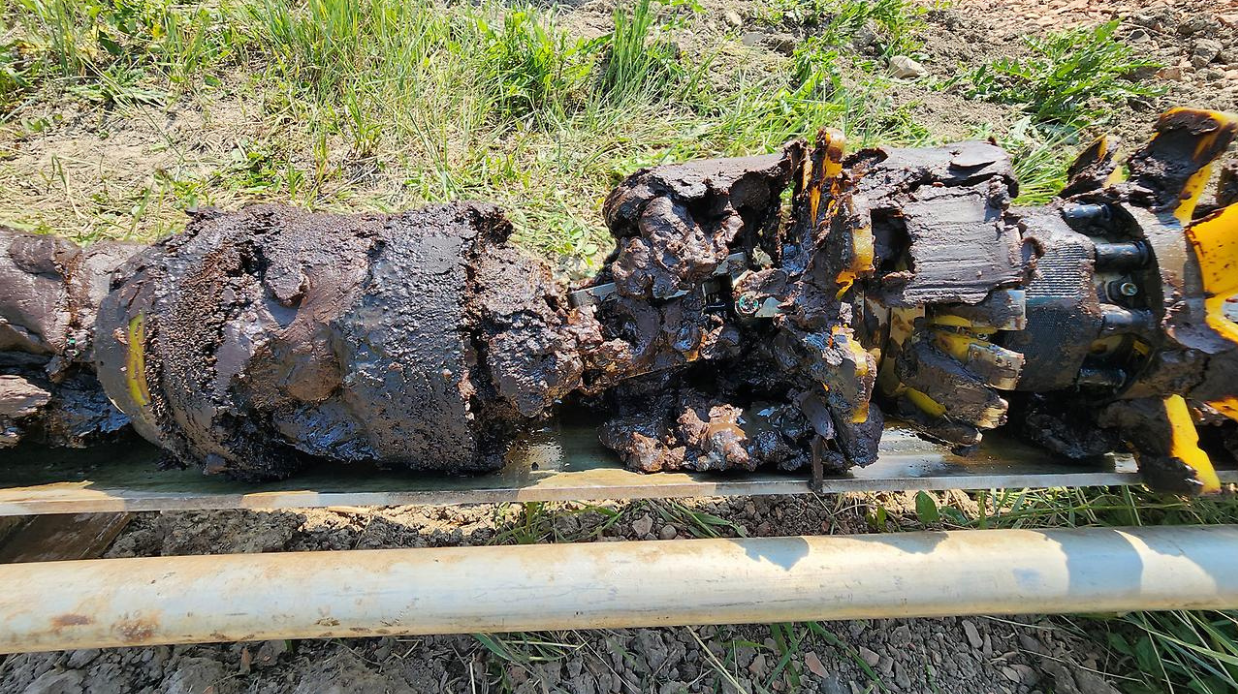
This includes materials such as:
- Wax and paraffin buildup
- Scale and corrosion byproducts
- Mill scale and construction debris
- Liquids, sand, and residual product
The goal is to create a clean, consistent environment that allows the inspection tool to perform as designed.
Why Proper Cleaning Matters Before an ILI Run
Inline inspection tools are highly advanced—but they are not designed to overcome poor pipeline conditions.
If debris is present, it can impact performance in several ways:
- Reduced sensor contact with the pipe wall
- Odometer slip, affecting distance accuracy
- Magnetic interference for MFL tools
- Unstable speed, causing data quality issues
When this happens, it doesn’t just affect the run—it affects the decisions made from that data.
If the line isn’t clean, the data won’t be reliable.
How Many Cleaning Pig Runs Are Needed Before ILI?
There is no set number of cleaning pig runs required before an inline inspection. The number of runs depends on the pipeline's condition, the type and volume of debris being removed, the pipeline’s operating history, and the inspection tool's requirements.
A pre-ILI cleaning program may include:
- Progressive pigging runs to remove loose debris and buildup
- Brush or scraping pigs for paraffin, scale, and stubborn deposits
- Magnet-equipped pigs to collect black powder and other ferrous debris
- Specialty or custom cleaning pigs for challenging pipeline conditions
- Gauging or caliper runs to help confirm passage and identify restrictions
After each cleaning run, operators can evaluate the pig condition and the type and volume of debris recovered. If significant debris continues to return, additional cleaning runs or a different pig configuration may be needed.
The goal is not to complete a predetermined number of runs. The goal is to prepare the pipeline so the ILI tool can travel safely and collect reliable inspection data.
Additional Industry Perspective: Preparing for ILI
Successful inline inspection starts before the ILI tool enters the pipeline. Cleaning strategy, pig selection, debris management, and operating conditions can all affect inspection readiness and ultimately the quality of the data collected.
Enduro's J.R. Morgan discusses pipeline cleaning strategies, pig selection, and preparing pipelines for inline inspection in his feature published by Pipeline & Gas Journal.
How Do You Know If Your Pipeline Is Ready for Inspection?
Knowing when a pipeline is clean enough is critical to a successful ILI run.
A pipeline is typically ready when:
- Debris recovery is minimal
- Each run removes less material than the last
- Pig movement becomes consistent
- Little to no ferrous debris is present
If you're still recovering significant debris, you'll usually need additional cleaning. Debris left inside the pipeline can mask metal-loss signals or prevent consistent sensor contact. Learn how pipeline debris and tool speed affect MFL inspection data
Support for Engineers and Project Teams
For many engineers and project managers, especially early in their careers, pipeline cleaning and pigging can be unfamiliar territory.
You may be responsible for planning an ILI run—but not have years of field experience to rely on.
That’s where working with the right team makes a difference.
At Enduro, we don’t just supply tools—we help you understand the process.
We work with you to:
- Develop a cleaning or maintenance plan
- Select the right pigs and configurations
- Interpret debris and run results
- Troubleshoot issues before they impact your inspection
Sometimes it’s not about having all the answers—it’s about having someone you can call when you need them.
Pipeline cleaning is only one part of obtaining quality inspection data.
Download our white paper to learn how speed management affects ILI performance.
Frequently Asked Questions About Pre-ILI Pipeline Cleaning
Why is cleaning required before an ILI run?
Cleaning before an inline inspection (ILI) run removes debris, wax, scale, liquids, and buildup that can interfere with tool performance. Proper cleaning helps maintain consistent tool speed, ensures accurate sensor contact with the pipe wall, and improves overall inspection data quality.
What happens if a pipeline is not properly cleaned before inline inspection?
Insufficient cleaning can result in reduced data accuracy, speed fluctuations, masked corrosion indications, or the need to rerun the inspection tool. Poor preparation increases operational risk and can lead to costly delays.
How many cleaning runs are typically required before ILI?
The number of cleaning runs depends on pipeline diameter, product type, debris history, and flow conditions. Some pipelines require multiple progressive cleaning passes to achieve optimal inspection readiness.
What types of debris can interfere with ILI tools?
Common debris includes wax, paraffin, scale, corrosion byproducts, mill scale, liquids, and construction residue. These materials can interfere with sensor contact, affect tool velocity, and potentially mask metal loss indications.
Prepare Your Pipeline for Reliable Inspection Data
Successful inspection starts before the tool enters the pipeline.
With the right cleaning approach—and the right support—you can reduce risk, improve data quality, and avoid costly reruns.
Learn more about our cleaning solutions: https://www.enduropls.com/cleaning
Learn more about inspection readiness in our Preparing for an Inline Inspection guide.
Or give us a call—we’ll talk it through with you. 800-752-1628