
What Happens If a Pipeline Is Not Clean Enough for Inline Inspection (ILI)?
Why Pipeline Cleanliness Matters Before Inline Inspection
Inline inspection (ILI) tools are designed to identify dents, metal loss, cracks, deformation, and other threats to pipeline integrity. However, even the most advanced inspection technology can only collect quality data if the pipeline is properly prepared beforehand.
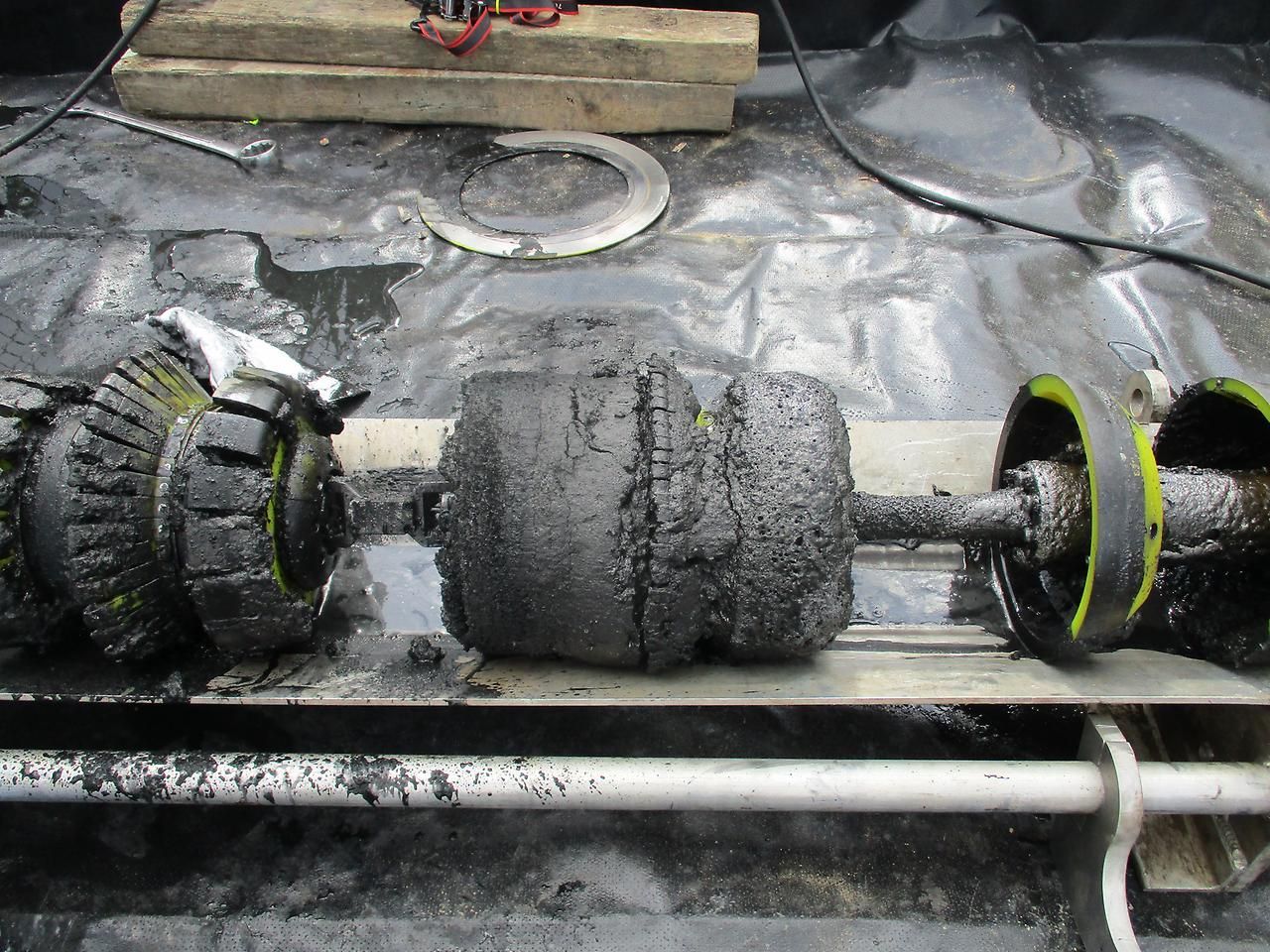
Debris, mill scale, paraffin, black powder, liquids, and other contaminants can interfere with tool performance, reduce data quality, and increase the risk of inspection failures.
For this reason, pipeline cleaning is one of the most important steps in any successful integrity management program.
Inline Inspection Tools Depend on Clean Pipelines
Not all inline inspection tools are affected by debris in the same way.
- Caliper tools require unobstructed contact with the pipe wall to accurately measure dents, ovality, and deformation.
- MFL tools rely on consistent magnetic coupling and can be affected by metallic debris.
- Geometry tools require stable travel and reliable odometer performance.
- Crack inspection tools perform best when excessive debris and buildup have been removed.
Proper cleaning helps create the conditions needed for accurate inspection data and reliable tool performance.
How Debris Affects Inline Inspection Tools
Many operators assume that if an inspection tool can physically pass through the pipeline, the inspection will be successful.
Unfortunately, that is not always the case.
Excessive debris can:
- Lift inspection sensors away from the pipe wall
- Reduce magnetic coupling
- Obstruct caliper fingers
- Prevent accurate geometry measurements
- Damage tool components
- Cause excessive wear
- Generate false indications
- Reduce data quality
- Lead to costly reruns
The result may be incomplete or unreliable inspection data.
Common Contaminants Found in Pipelines
Every pipeline system is different, but common contaminants include:
Black Powder
Black powder consists primarily of iron oxides and corrosion byproducts. It can accumulate in significant quantities and interfere with inspection sensors. Learn what causes black powder in pipelines and how proper cleaning improves ILI data quality.
Paraffin and Wax
Wax buildup can reduce internal diameter and prevent inspection tools from operating as intended.
-Learn more about paraffin and wax removal from pipelines and the cleaning strategies used for difficult deposits.
Mill Scale
Construction debris and mill scale can remain in pipelines long after commissioning and may impact tool performance.
Liquids and Sludge
Accumulated liquids and sludge can affect tool speed, sensor performance, and overall inspection effectiveness.
Metallic Debris
Welding slag, grinding debris, and other metallic particles can accumulate throughout the pipeline and create challenges during inspection
What Problems Can Occur During an ILI Run?
Poor Data Quality
Debris may prevent sensors from maintaining proper contact with the pipe wall, resulting in reduced data quality and lower confidence in inspection results.
Missed Anomalies
If contaminants interfere with inspection sensors, defects may be more difficult to accurately characterize.
Tool Damage
Large debris can damage sensors, caliper arms, brushes, or other sensitive components.
Tool Stoppages
Heavy debris accumulation may restrict tool movement and increase the risk of a stalled inspection tool.
Costly Reinspection
Poor data quality often leads to additional cleaning, additional tool runs, and increased project costs.
Choosing the Right Cleaning Pigs Before an MFL Inspection
Preparing a pipeline for magnetic flux leakage (MFL) inspection requires more than simply running a cleaning pig. The goal is to remove debris that could interfere with tool performance while protecting both the inspection tool and the pipeline.
Select the cleaning pig program based on the pipeline's condition, operating history, and expected contaminants. A progressive cleaning approach often produces the best results because it gradually removes debris without overwhelming the cleaning pigs or creating excessive differential pressure.
Depending on the application, operators may use:
- Standard cup or disc cleaning pigs for loose debris and liquids
- Brush-equipped cleaning pigs for mill scale, rust, and tightly adhered deposits
- Magnetic cleaning pigs to capture ferrous debris such as black powder, welding slag, and loose steel particles
- Studded or scraper-equipped cleaning pigs when heavier deposits require more aggressive mechanical cleaning
- A gauging pig equipped with a gauge plate can help verify available pipeline bore and identify restrictions that could interfere with the passage of an inline inspection tool. Gauging may be performed before ILI to help confirm that the pipeline can safely accommodate the planned inspection tool. Learn more about pipeline gauge plates and bore verification before ILI.
Every pipeline is different. Factors such as product type, pipeline age, previous pigging history, and the amount of contamination all influence the most effective cleaning sequence. In many cases, operators complete several progressively more aggressive cleaning runs before introducing the inspection tool.
The objective is not simply to clean the pipeline—it is to create consistent operating conditions that allow the MFL tool to collect the highest-quality inspection data possible.
How Much Cleaning Is Enough?
There is no universal answer.
The required level of cleanliness depends on:
- Pipeline product
- Operating conditions
- Inspection technology
- Pipeline history
- Presence of paraffin or black powder
- Age of the pipeline
- Regulatory requirements
A cleaning program should be designed specifically for the pipeline and inspection objectives, and before launching an inspection tool, operators should verify that the pipeline has reached an appropriate level of cleanliness.
Technical Insight
Why a Clean Pipeline Doesn't Always Mean an Inspection-Ready Pipeline
Many operators assume that because a cleaning pig is returning with less debris, the pipeline is ready for inline inspection. While decreasing debris is an encouraging sign, it is only one factor in determining inspection readiness.
Pipeline geometry, speed control, remaining ferrous debris, liquids, paraffin, wax, and the specific inspection technology being used all influence whether an inline inspection tool can successfully collect high-quality data.
That's why many operators evaluate cleaning results alongside gauging, geometry verification, and operational conditions before launching an inspection tool.
Typical Pipeline Cleaning Program Before ILI
Many operators use a staged cleaning approach:
Step 1: Baseline Cleaning
Foam pigs or basic cleaning pigs remove loose debris and liquids.
Step 2: Aggressive Mechanical Cleaning
Brush pigs, magnetic pigs, blade pigs, or specialty cleaning pigs target stubborn deposits.
Step 3: Debris Evaluation
Debris recovered at receivers is evaluated to determine cleaning effectiveness.
Step 4: Gauging Run
A gauging pig confirms passage and identifies restrictions.
Step 5: Caliper Inspection
A caliper tool may be used to identify geometry concerns before the final ILI run.
Step 6: Final Inspection Run
The inspection tool is launched once cleanliness objectives have been achieved.
Why Magnets Are Often Used Before Inspection
Magnetic cleaning pigs are frequently used before inline inspection to remove metallic debris that could interfere with inspection tools.
Benefits may include:
- Improved debris removal
- Better sensor performance
- Improved data quality
- Reduced risk of tool damage
- Increased confidence in inspection results
How to Prepare a Pipeline for Inline Inspection (and Where Enduro Can Help)
Preparing a pipeline for inline inspection begins long before the inspection tool is launched. A successful inspection depends on understanding the pipeline's operating history, identifying potential contaminants, selecting the appropriate cleaning strategy, and confirming the pipeline is ready for inspection.
Enduro works with operators throughout the preparation process to develop cleaning programs based on the specific pipeline conditions and inspection objectives. A typical preparation program includes:
Evaluate Pipeline History
Review previous pigging records, operating conditions, known restrictions, and integrity history to identify potential cleaning challenges before inspection.
Identify Expected Contaminants
Determine whether the pipeline contains black powder, mill scale, paraffin, wax, corrosion products, sand, construction debris, or other materials that could affect inspection performance.
Develop a Progressive Cleaning Program
Select the appropriate cleaning pigs based on the contaminants present and the condition of the pipeline. Depending on the application, operators may use:
- Pipeline cleaning pigs
- Foam pigs
- Urethane pigs
- Magnetic cleaning pigs
- Gauging pigs
Many programs begin with standard cleaning pigs before progressing to brush, magnetic, or more aggressive designs as debris levels decrease.
Monitor Cleaning Results
Inspect each cleaning pig after every run and evaluate the debris recovered. This helps determine whether additional cleaning runs are needed before launching the inspection tool.
Verify Pipeline Readiness
Gauge pigs and caliper inspections can confirm that restrictions, dents, or geometry changes will not interfere with the inline inspection tool.
Complete the Inspection Program
Once cleaning results have stabilized and the pipeline is ready, Enduro supports operators with:
- Caliper inspections
- Techless Caliper services
- DdL Caliper services
- DSC 2.0 speed control technology
- Inspection planning support
Every pipeline is different. The most effective inspection preparation program is built around the pipeline's specific operating conditions, contaminants, and inspection goals.
Pipeline preparation is only one part of a successful ILI program. Knowing which pipeline inspection technology fits the inspection objective helps operators plan for geometry assessment, deformation identification, corrosion detection, metal-loss evaluation, and other integrity needs.
Not sure how many cleaning runs your pipeline may require? Learn how operators develop progressive cleaning programs in our
Pipeline Cleaning Planning Guide.
FREQUENTLY ASKED QUESTIONS
How clean does a pipeline need to be before inline inspection?
There is no universal cleanliness standard for inline inspection. The required level of cleanliness depends on the inspection technology, pipeline conditions, operating history, and contaminants present. Operators typically continue cleaning until debris recovery stabilizes and the pipeline is considered ready for the inspection tool.
What contaminants can interfere with inline inspection tools?
Black powder, mill scale, paraffin, wax, rust flakes, welding debris, sand, liquids, sludge, and other contaminants can interfere with inline inspection tools. These materials may affect sensor contact, restrict tool movement, reduce magnetic coupling, damage components, or lower inspection data quality.
How many cleaning runs are typically required before an ILI inspection?
The number of cleaning runs depends on the condition of the pipeline and the amount and type of debris present. Many operators use a progressive cleaning program and evaluate the debris recovered after each run. Cleaning typically continues until debris levels stabilize and the pipeline is ready for gauging or inspection.
Why is pipeline cleanliness important before inline inspection?
Proper pipeline cleanliness helps the inspection tool travel consistently and allows sensors to operate as intended. Effective cleaning may improve tool passage, sensor contact, odometer performance, magnetic coupling, and overall inspection data quality while reducing the risk of tool damage or a costly rerun.
What cleaning pigs should be used before an MFL inspection?
The appropriate cleaning pigs depend on the pipeline condition and the contaminants present. A progressive program may include cup or disc pigs, brush-equipped pigs, magnetic cleaning pigs, studded or scraper-equipped pigs, and gauge pigs before the MFL inspection tool is launched.
How do you prepare a pipeline for inline inspection?
Preparing a pipeline for inline inspection typically involves reviewing pipeline history, identifying expected contaminants, developing a progressive cleaning program, monitoring debris recovery after each run, verifying pipeline geometry, and confirming that the line is ready before launching the inspection tool.
Still have questions about preparing your pipeline for ILI?
Every pipeline and inspection program is different. Enduro can review your cleaning strategy, expected contaminants, pigging history, geometry concerns, and inspection objectives before the tool is launched.
Is Your Pipeline Ready for Inspection?
Debris, deposits, restrictions, and unknown pipeline conditions can affect tool travel and inspection performance. Enduro can help evaluate cleaning, gauging, and inspection-preparation requirements before the tool is launched.
Call 800-752-1628 or plan your ILI Preparation.
Looking for cleaning services? Visit our Pre-ILI Cleaning page.
Concerned your pipeline may not be ready? Read Common Signs Your Pipeline Isn't Ready for ILI.
Every inline inspection is different. If you'd like another perspective on your cleaning program before an ILI, our team is happy to discuss your application and answer your questions.
ASK ENDURO
Pipeline Cleaning Services
Learn more about Enduro's complete Pipeline Cleaning Services.
Link: https://www.enduropls.com/cleaning