
How the Pipeline Pigging Process Works
Pipeline pigging sounds complicated—but it doesn’t have to be. At its core, it’s simply moving a tool through your pipeline to clean it, inspect it, or move product from point A to point B.
The challenge isn’t understanding the process—it’s choosing the right tool and running it correctly. That’s where most problems happen.
If you’re not sure what your line needs, don’t overthink it. We’ll walk you through it and help you get it right the first time. 800-752-1628
The challenge isn’t understanding the process—it’s choosing the right tool and running it correctly. That’s where most problems happen.
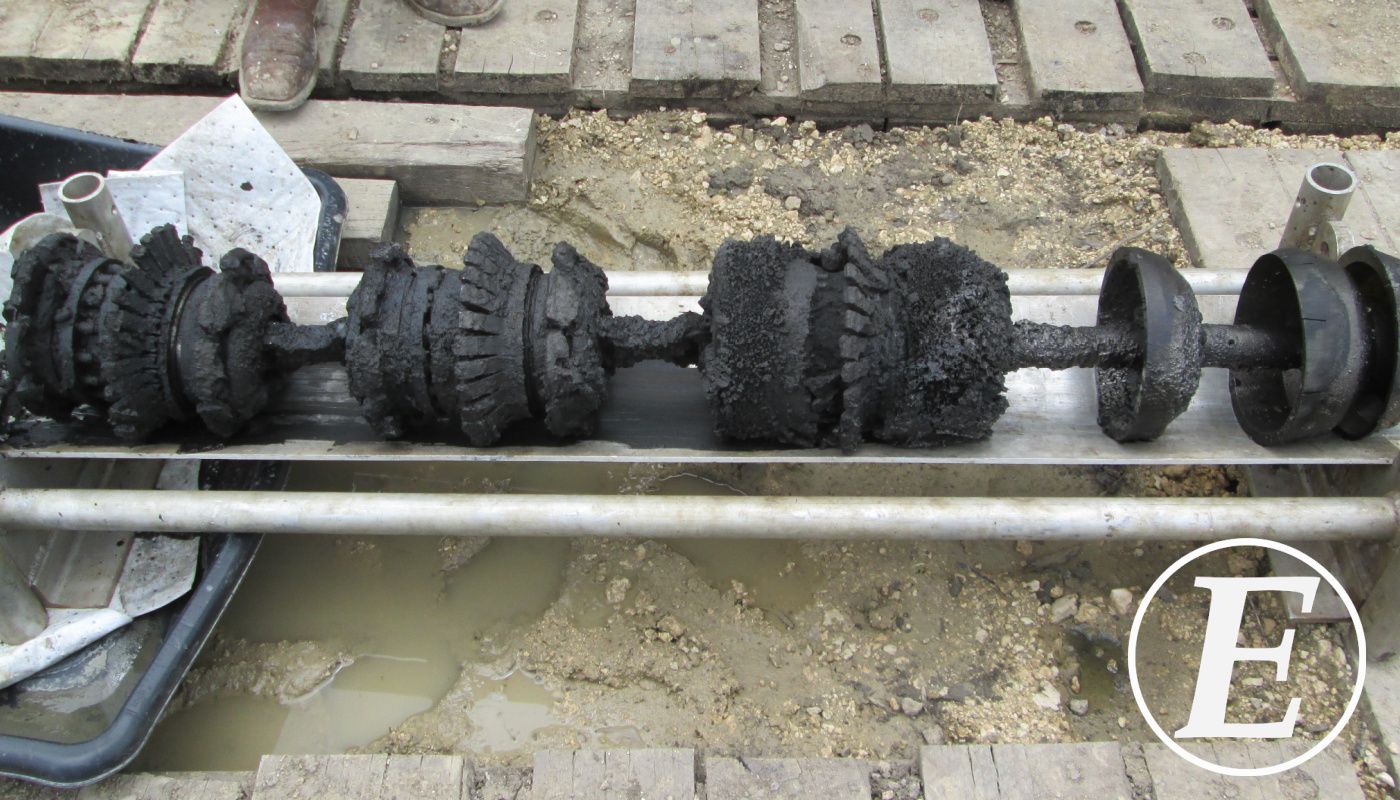
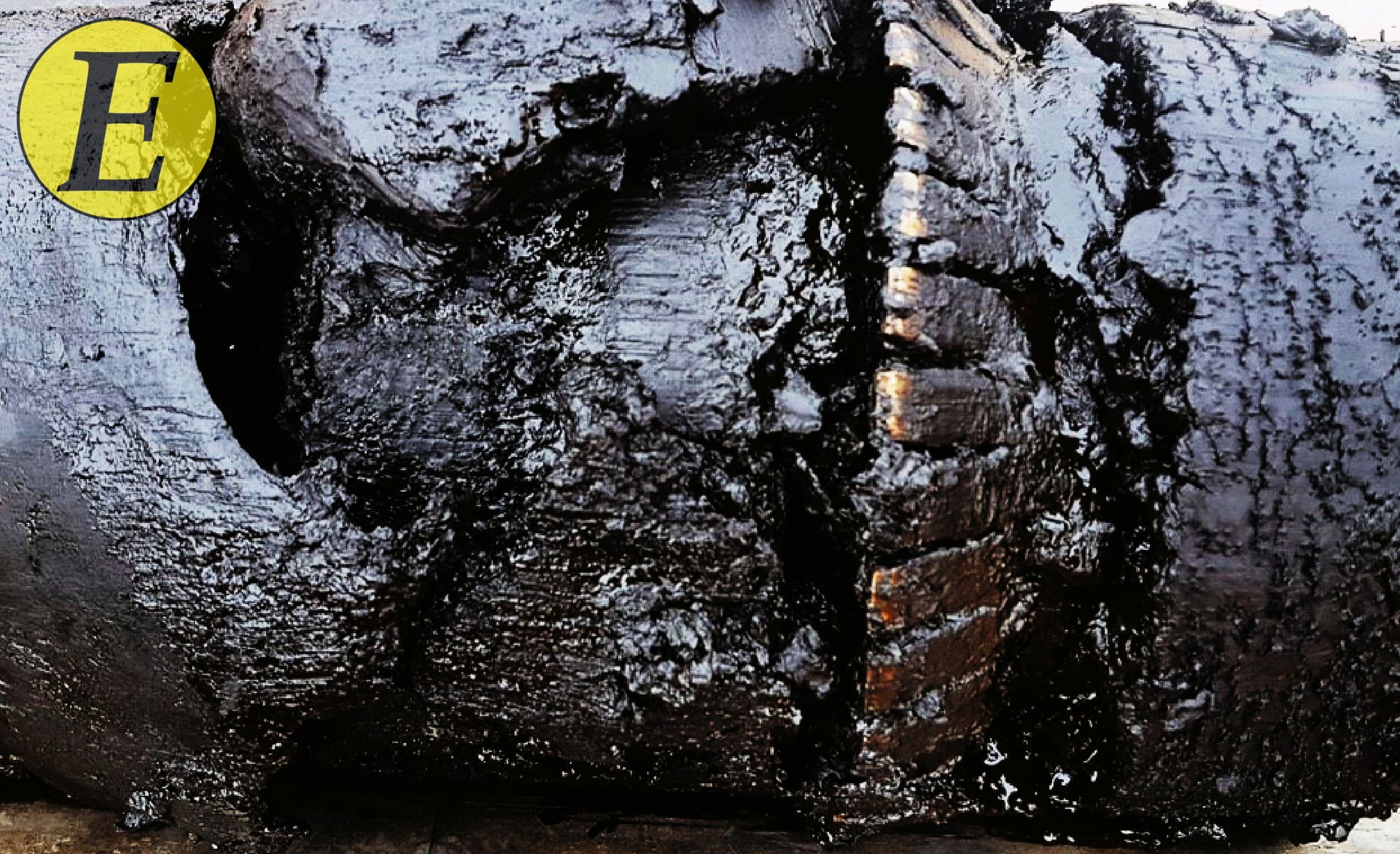
Real-World Pipeline Cleaning Conditions
Pipeline debris conditions vary significantly depending on product type, pipeline age, buildup levels, and operating conditions. These are examples of actual debris and contamination removed during pipeline cleaning operations.



Pipeline Pigging Explained: Process, Types & Applications
Pipeline pigging is the process of using specialized tools called pigs to clean, inspect, separate products, or maintain the inside of a pipeline. Depending on the pipeline and project goals, operators may use cleaning pigs, batching pigs, caliper tools, or magnetic flux leakage (MFL) inspection tools during the pigging process.
What Is Pipeline Pigging?
Pipeline pigging is used to clean, inspect, and maintain pipelines by sending a device (pig) through the line. Pipeline pigging may be performed for routine maintenance, product separation, pipeline drying, debris removal, or preparation for inline inspection, depending on operating conditions.
- Cleans pipelines by removing debris and buildup
- Separates products in batching operations
- Prepares pipelines for inline inspection (ILI)
- Improves flow efficiency and reduces risk
Types of Pipeline Pigs Used in Pigging Operations
Each type of pipeline pig is designed for a specific function.
Choosing the right one depends on pipeline conditions and the objective of the run.
Common pipeline pig types include:
- Cleaning pigs – Remove debris, wax, and buildup
- Batching pigs – Separate different products in the line
- Inspection pigs (Inline Inspection Tools) – Collect pipeline integrity data
- Gauge pigs – Identify restrictions or deformation
Compare pig types:
Pipeline Cleaning Pig Comparison Guide
Explore cleaning pigs:
Pipeline Cleaning Pigs
To better understand the differences between pipeline pig types, including cleaning pigs, foam pigs, and specialty designs, visit our Pipeline Cleaning Pig Types page.
Not sure which pig your line needs? Don’t overthink it. We’ll walk you through it and help you get it right the first time. 800-752-1628
Common Pipeline Pigging Challenges
Heavy Debris and Build-Up
Pipelines can accumulate debris, liquids, scale, wax, and other contaminants that restrict flow and impact operational efficiency. Cleaning pigs are commonly used to remove buildup and prepare pipelines for maintenance or inline inspection.
Inadequate Cleaning Before ILI
If a pipeline is not properly cleaned before an inline inspection run, debris can interfere with tool performance and reduce data quality. Proper pigging programs help improve inspection accuracy and overall integrity assessments.
Diameter Changes
Pipelines with changing diameters can create sealing and tracking challenges for standard pigs. Dual diameter cleaning pigs are often used to maintain cleaning performance through varying pipe sizes.
Tracking and Location Verification
Operators often need to track pig movement throughout the pipeline during cleaning or inspection runs. Pig tracking equipment helps confirm location, monitor progress, and support operational safety.
Wax and Product Build-Up
Certain pipelines are more susceptible to the accumulation of wax, paraffin, or product over time. Specialized cleaning pig configurations and brushing options can help manage buildup and maintain flow efficiency.
Why Pipeline Pigging Is Important
Pipeline pigging directly impacts inspection accuracy, flow efficiency, and long-term pipeline integrity.
Pigging programs help:
• Remove debris and buildup (choosing the right pig for wax buildup) ((
• Prevent corrosion and blockages
• Improve flow efficiency
• Prepare pipelines for inline inspection
• Maintain regulatory compliance
Without proper cleaning and preparation, debris inside the pipeline can interfere with inspection tools and reduce the accuracy of inspection results.
Choosing the Right Pipeline Pig
Choosing the correct pig is critical to the success of any pigging operation.
The wrong pig can:
- Miss debris or buildup
- Become stuck in the pipeline
- Reduce inspection accuracy
- Increase operational costs
Choosing the right pipeline pig depends on:
- Pipeline diameter and geometry
- Product type
- Type of debris or buildup
- Cleaning or inspection objectives
At Enduro Pipeline Services, we design and manufacture pigs for a wide range of pipeline sizes and applications — from standard cleaning runs to complex pipeline conditions.
Compare pipeline pig types:
Pipeline Cleaning Pig Comparison Guide
Not sure what you need? Don’t overthink it — request a
Quick Quote
and our team will help you choose the right pig for your pipeline.
Related Resources
- Dual Diameter Cleaning Pigs
- Cleaning Pig Types Comparison
- Pipeline Cleaning for ILI
- Pig Tracking Equipment
Looking for a step-by-step overview? Our Pipeline Cleaning Planning Guide walks through the complete cleaning process—from selecting the first pig to preparing for inline inspection.
How Does a Pipeline Pig Work?
A pipeline pig travels through the line under pressure while maintaining contact with the pipe wall. As it moves, it can remove debris, push out liquids, separate products, or prepare the pipeline for inspection. The exact configuration depends on what the operator is trying to accomplish and on the conditions inside the pipeline. That is why pig design matters. A pig that works well in one line may not be the right choice for another.
Pipeline Pigging Process Steps:
The pigging process typically follows these key steps:
1. Pipeline Evaluation
Before pigging begins, operators evaluate:
- Pipeline diameter and length
- Flow conditions and pressure
- Type of debris or buildup
2. Pig Selection
The right pig is selected based on:
- Cleaning requirements
- Pipeline geometry
- Inspection goals
Choosing the wrong pig can reduce effectiveness and increase costs.
3. Pig Launching
The pig is inserted into the pipeline through a launcher and driven forward by product flow or gas pressure. Pipeline Pig Trays are used to handle pipeline pigs safely and efficiently.
4. Pig Tracking
Tracking equipment is used to monitor the pig’s location and ensure it moves through the pipeline as expected.
5. Cleaning or Inspection Run
As the pig travels through the pipeline:
- Debris is removed
- Liquids are displaced
- The pipe wall is cleaned or inspected
6. Pig Receiving
The pig is captured at the receiving station and removed from the pipeline.
When Should You Use Pipeline Pigging?
- Before inline inspection (ILI)
- When flow efficiency decreases
- When debris or buildup is present
- After construction or maintenance
Cleaning Pigs vs Inspection Tools
Cleaning Pigs
Cleaning pigs are designed to remove debris, liquids, wax, scale, or buildup from inside a pipeline. These tools help maintain flow efficiency and prepare pipelines for maintenance or inline inspection operations.
Common cleaning pigs include:
- urethane pigs
- brush pigs
- batching pigs
- dual diameter pigs
- bi-directional pig
Inspection Tools
Inspection tools — often called smart pigs or inline inspection (ILI) tools — are designed to collect data about pipeline conditions rather than clean the pipeline.
Depending on the technology used, inspection tools may detect:
- dents
- metal loss
- corrosion
- ovality
- deformation
- pipeline movement
Examples include:
- caliper tools
- MFL tools
- geometry inspection tools
Why Cleaning Matters Before Inspection
Many pipeline operators run multiple cleaning pigs before launching an inline inspection tool. Proper cleaning helps improve tool performance and overall inspection data quality.
Cleaning Pigs Used in Pipeline Pigging
Pipeline pigging operations use a wide range of pipeline cleaning pigs designed to support debris removal, batching, maintenance pigging, and inline inspection preparation. Enduro Pipeline Services manufactures cleaning pigs for a wide range of pipeline conditions and operational requirements.
• STS Cleaning Pigs: Designed for reliable performance in pipelines that include wall changes, fittings, and other challenging features.
•Advantage Cleaning Pigs:
Rugged steel-bodied pigs engineered for reliable cleaning, batching, and debris removal.
•Dual Diameter Cleaning Pigs:
Engineered for pipelines with changing diameters or multi-diameter segments.
•Urethane Cleaning Pigs: Durable pigs used for sealing and cleaning in a wide range of applications.
•Foam Cleaning Pigs:
Lightweight pigs used for light cleaning and product displacement.
You can also compare these pig types in our Cleaning Pig Comparison Guide. Or learn more about the importance of keeping your cleaning pig maintained with rebuild kits here.
What Happens If a Pipeline Is Not Clean Enough for ILI?
Inline inspection tools are designed to collect accurate data — but even the best inspection technology can struggle if the pipeline is not properly cleaned beforehand.
Excess debris, wax, scale, black powder, mill scale, liquids, or construction debris inside the line can interfere with tool performance and impact data quality during an ILI run. In some cases, debris buildup can also increase drag, affect tool speed, or create unnecessary wear on inspection equipment.
One of the most common issues operators run into is assuming a pipeline is clean after only one cleaning run. In reality, many pipelines require a progressive cleaning program using multiple pigs and configurations to gradually remove debris and improve line conditions before inspection.
Depending on the pipeline and the inspection objective, cleaning programs may include combinations of:
- Urethane cleaning pigs
- Brush pigs
- Magnetic cleaning pigs
- Gauge plates
- Batching pigs
- Speed control tools
Operators preparing for caliper or MFL inspection runs often use progressively aggressive cleaning tools to help ensure the line is suitable for inspection and that valuable inspection data is not compromised by debris conditions inside the pipeline.
At Enduro, we work directly with operators to help build cleaning programs around the actual condition of the line — because every pipeline behaves differently in the field.
For additional guidance on selecting cleaning tools, visit our Pipeline Cleaning Pig Comparison Guide or explore our Urethane Cleaning Pigs.
Pipeline Pigging and Inline Inspection
One of the most important uses of pigging is preparing pipelines for inline inspection tools (ILI).
Proper pipeline cleaning ensures inspection sensors maintain proper contact with the pipe wall, improving data quality and reducing the risk of missed anomalies.
Pipeline pigging supports many operational objectives, including cleaning, batching, and inline inspection. Learn how caliper inspections evaluate pipeline geometry before or during integrity programs.
Did You Know? A pipeline cleaning pig is often designed specifically for the type of debris inside the pipeline. Wax, black powder, liquids, scale, sand, and construction debris may all require different pig configurations, brushes, bypass systems, or sealing components.
Did You Know? In some pipeline cleaning programs, operators may run multiple cleaning pigs before launching an inline inspection tool. Progressive cleaning runs can help remove heavy debris buildup gradually while reducing the risk of damaging or stalling an inspection tool.
Real-World Pipeline Pigging Example
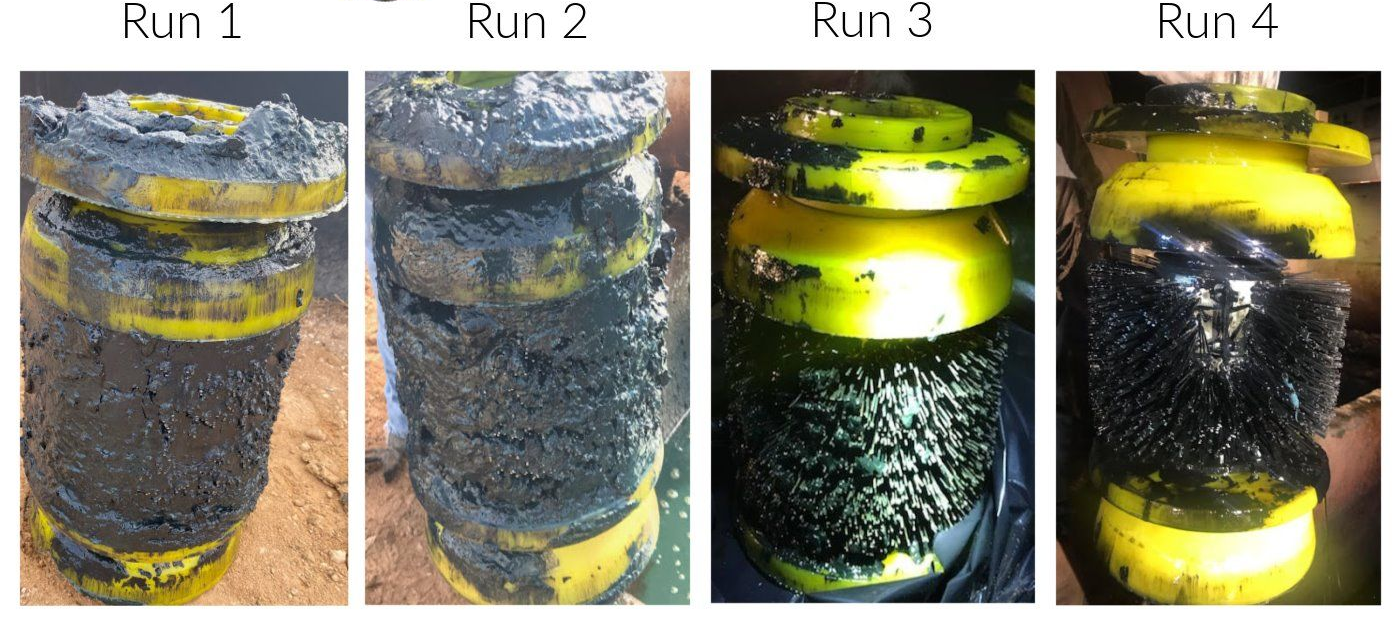
Pipeline pigging programs often involve multiple cleaning runs before an inline inspection tool is launched. As debris, mill scale, paraffin, black powder, and other contaminants are removed, cleaning effectiveness is evaluated to determine when inspection conditions are acceptable.
In many cases, operators complete several cleaning passes before running caliper, MFL, or other inline inspection tools. Proper cleaning preparation can help improve data quality, reduce tool risk, and support more successful inspection outcomes.
PIPELINE Cleaning Pig Comparison
Pipeline pigging operations use different pig designs depending on debris type, pipeline configuration, and operational objectives. The table below compares the most common pipeline cleaning pig types used in pigging operations. You can also learn more about our rebuild kits for select tools here.
Pig Type
Best Used For
Pipeline Conditions
Typical Applications
Aggressive cleaning and debris removal
Cleaning programs, debris removal, maintenance pigging
Product batching, debris removal, routine pigging
Cleaning across diameter changes, ILI preparation
Cleaning, batching, debris removal
Light cleaning and drying operations
Pipelines with fittings, wall changes, or heavy debris
Cleaning and batching operations
Pipelines with diameter transitions
Pipelines requiring bidirectional travel
Pipelines requiring flexible sealing and durability
Short runs or pipelines with minimal debris
Cleaning programs, debris removal, maintenance pigging
Standard pipeline cleaning and batching programs
Cleaning across diameter changes, ILI preparation
Fill and displacement operations, hydrotesting
Pipelines requiring flexible sealing and durability
Short runs or pipelines with minimal debris
Planning a Pipeline Pigging Project?
The number of cleaning runs and the right pig sequence depend on pipeline conditions, debris type, previous cleaning results, and inspection requirements. Enduro can help evaluate the cleaning objective and develop an appropriate approach before the ILI run.
Call: 800-752-1628 or Discuss Your Pre-ILI Cleaning Plan
Enduro Pipeline Services designs and supports pipeline pigging solutions from our Tulsa, Oklahoma, headquarters.
Pipeline Pigging Guide (Free Download).
Looking for a quick reference? Download our Pipeline Pigging Guide covering process, pig types, and real-world best practices—built from over 38 years of field experience.
Read: How the pipeline pigging process works.
With more than 30 years of pipeline operations experience, our Director of Pipeline Cleaning & Maintenance, JR Morgan has spent his career helping operators understand that successful pigging isn't just about running a pig—it's about selecting the right tool, understanding pipeline conditions, interpreting results, and preparing pipelines for safe, effective operation and inline inspection
Frequently Asked Questions About Pipeline Pigging
These are the most common pipeline pigging questions operators ask when planning cleaning and inspection runs.
What is pipeline pigging?
Pipeline pigging is the process of using devices called pigs to clean, inspect, or maintain pipelines without stopping flow.
How does pipeline pigging work?
A pig is inserted into the pipeline through a launcher and pushed through the line by product flow or gas pressure. As it travels, it performs tasks like cleaning buildup, separating batches, or collecting inspection data before being received at the end of the line.
What are the types of pipeline pigs?
- Cleaning pigs (remove debris and buildup)
- Batching pigs (separate products)
- Foam pigs (light-duty cleaning and drying)
- Urethane pigs (durable for routine operations)
- Intelligent pigs (ILI tools used for inspection and data collection)
- Cleaning pigs (remove debris and buildup)
Why is pigging important before inline inspection (ILI)?
Proper cleaning ensures accurate inspection data. Debris or buildup can interfere with sensors, leading to poor data quality or the need for costly re-runs. A clean pipeline improves tool performance and confidence in results.