
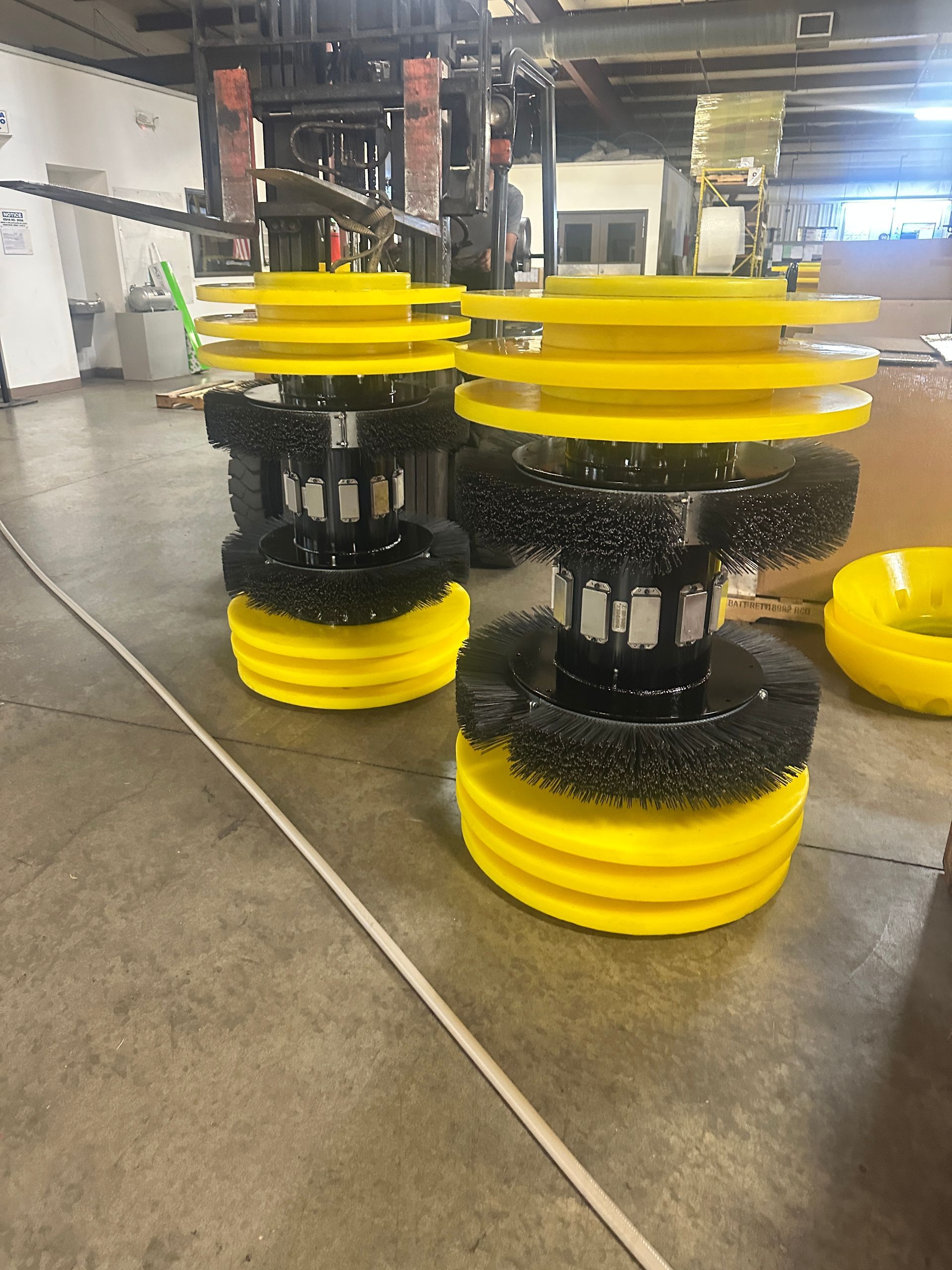
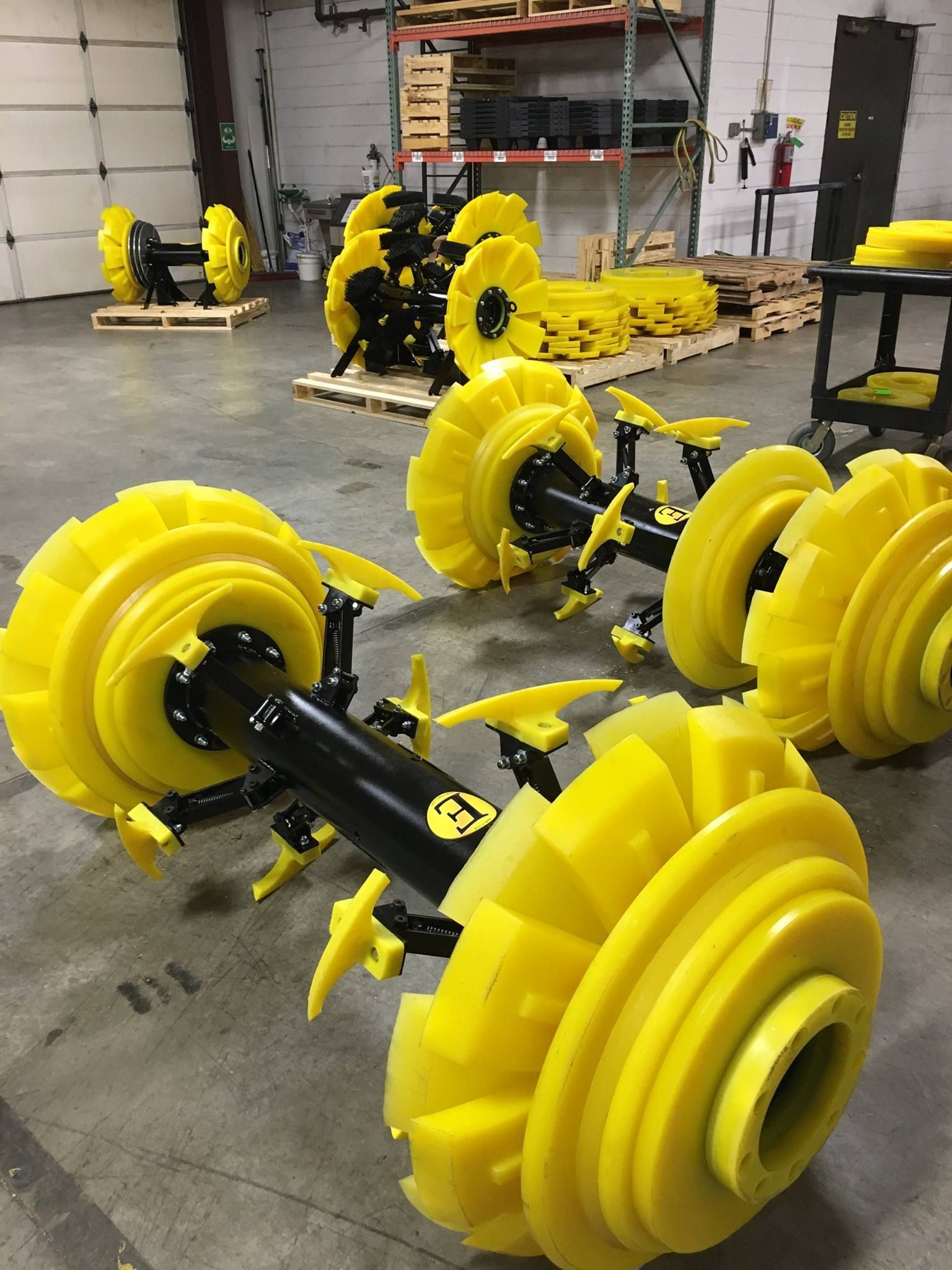
Pipeline cleaning pigs are used throughout the lifecycle of a pipeline—from construction and commissioning to routine maintenance and inspection preparation.
Different types of cleaning pigs are designed for specific applications, operating conditions, and debris removal requirements. Understanding the differences between them is key to selecting the right tool and ensuring effective pipeline cleaning.
Cleaning pig types vary widely depending on pipeline conditions, debris, and cleaning objectives.
Pipeline
CLeaning Pig
Types Explained
What Are Pipeline Cleaning Pigs?
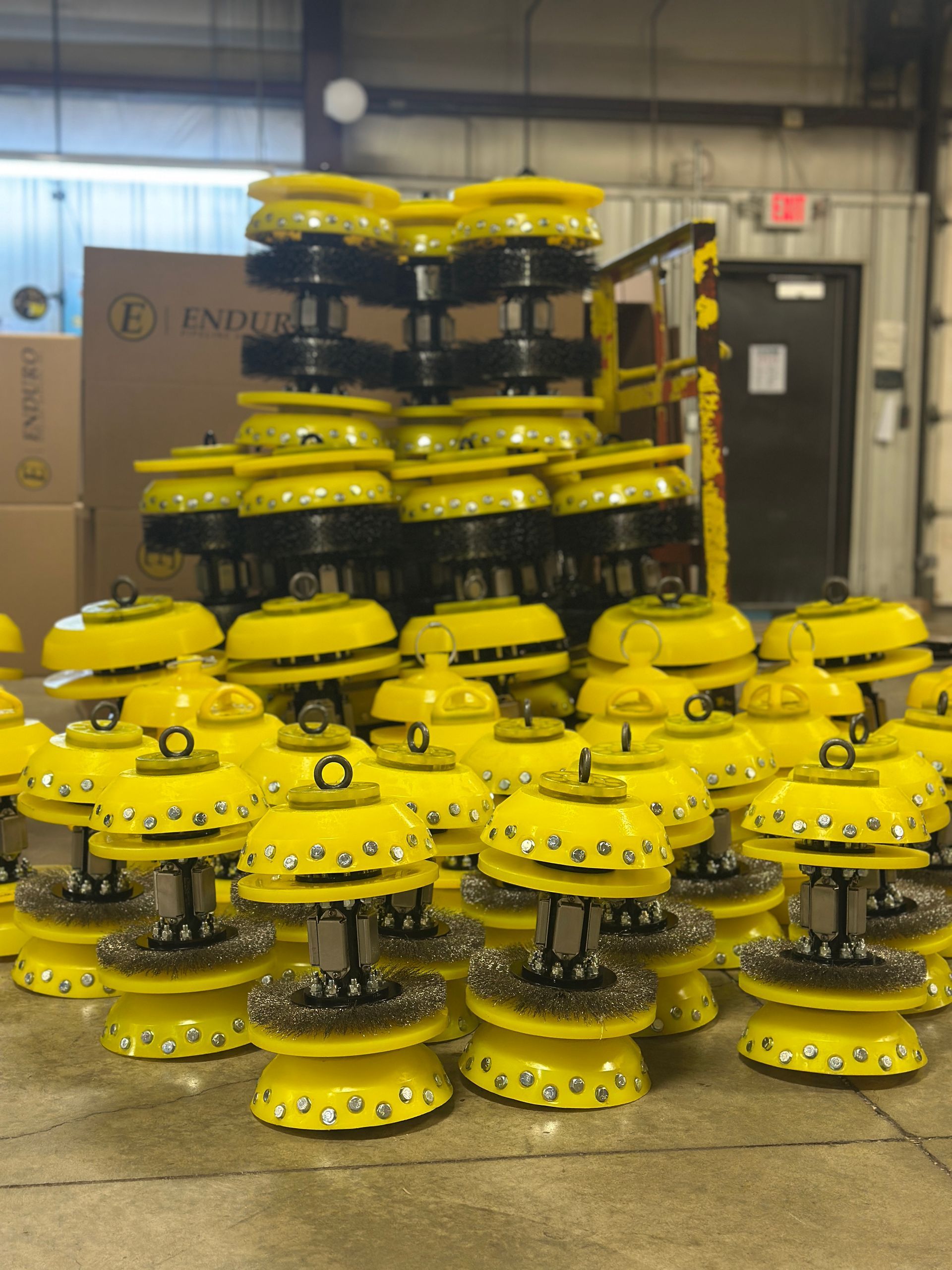
A pipeline cleaning pig is a device inserted into a pipeline and propelled by product flow to perform a specific function. These functions can include cleaning, batching, inspection support, and product separation.
Pipeline pigs play a critical role in maintaining flow efficiency, preparing pipelines for inspection, and preventing buildup that can impact performance.
Main Types of Pipeline Cleaning Pigs
There are several primary types of pipeline pigs, each designed for a specific purpose.
Foam Pigs
Foam pigs are sometimes used for light cleaning, drying, or navigating pipelines with tight bends or diameter changes.
However, foam pigs are typically less durable and less effective than other cleaning pig types. They can break down quickly in the line and often do not provide the sealing force needed for thorough cleaning.
Best suited for:
- Light debris removal
- Drying applications
- Temporary or low-demand cleaning
For most pipeline-cleaning applications, operators rely on more durable solutions, such as urethane cup-and-disc pigs, to achieve consistent, effective results.
Urethane Pigs
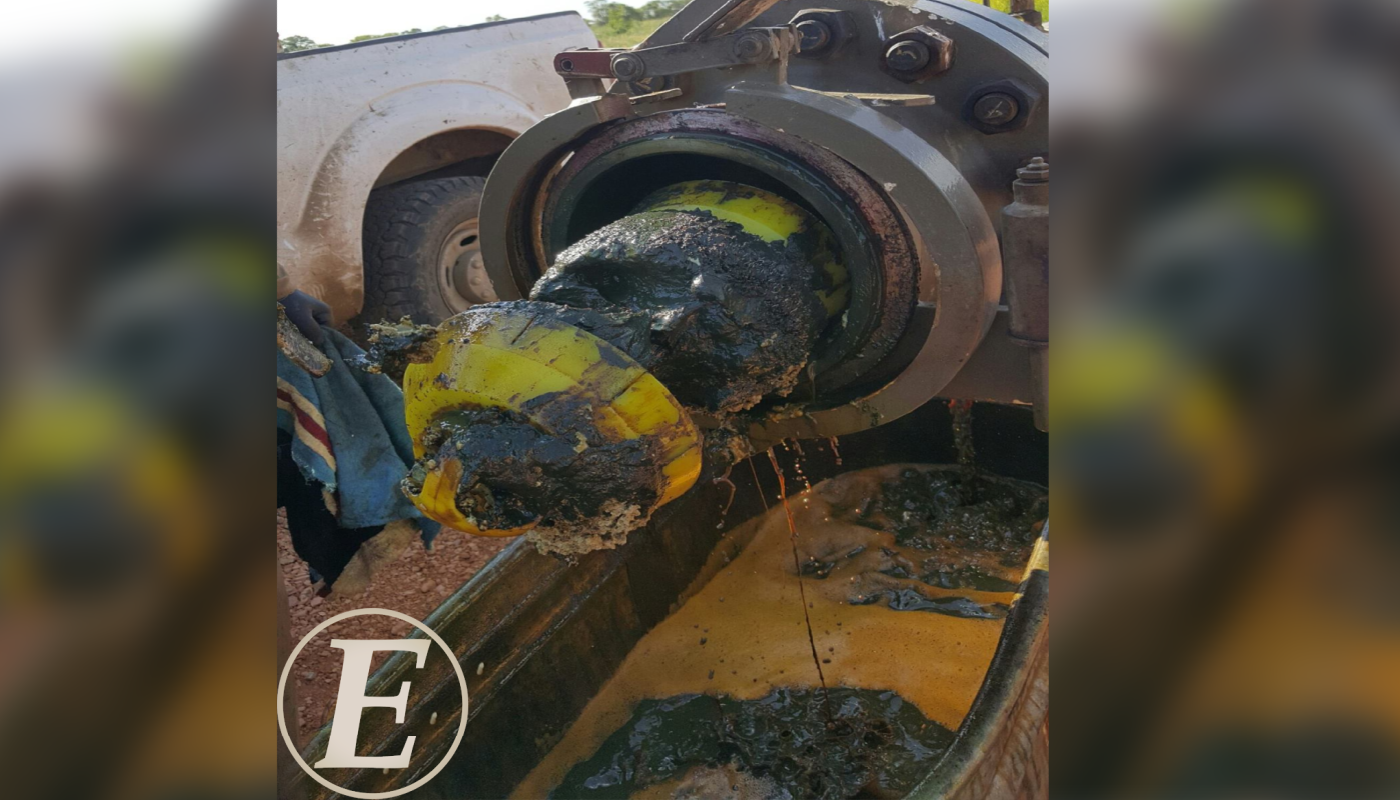
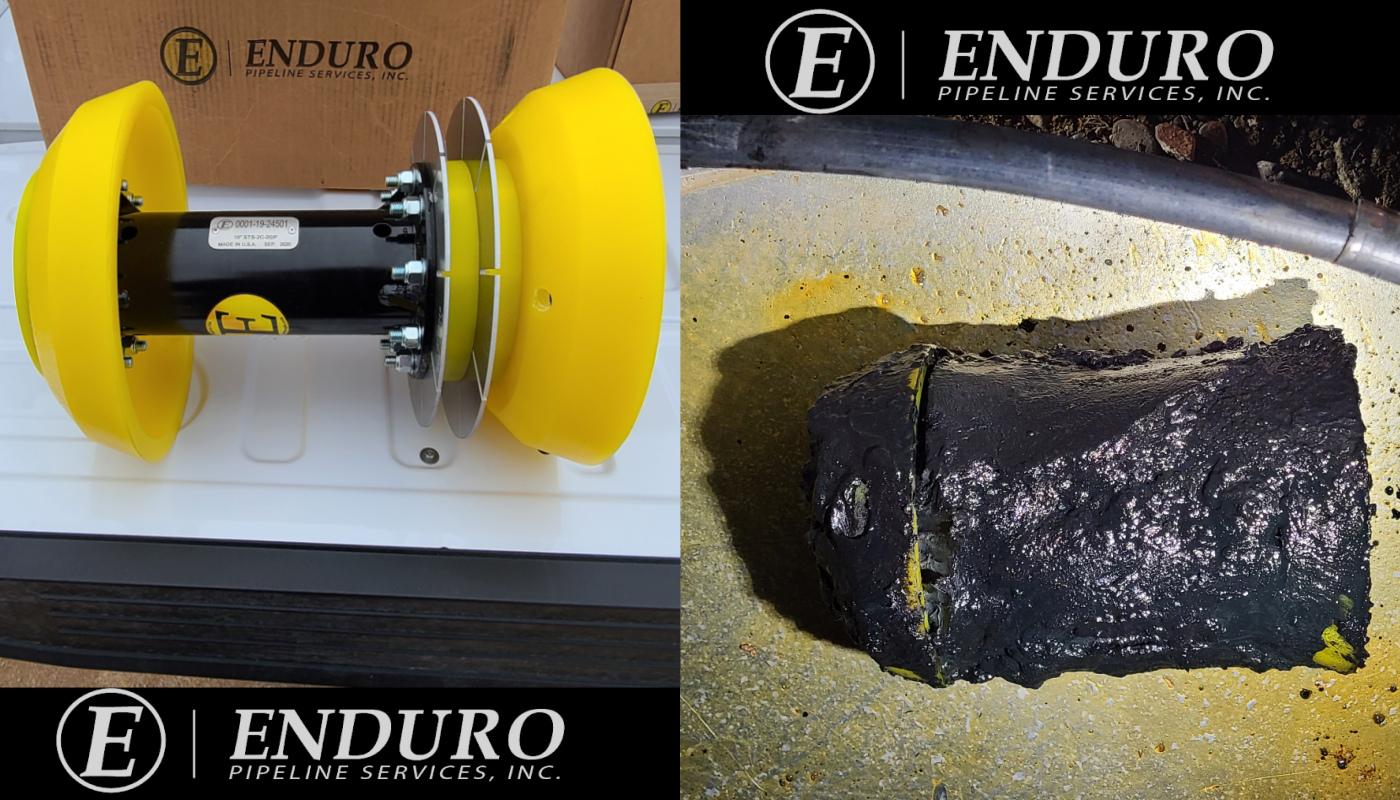
Urethane cleaning pigs are the most commonly used and most effective solution for routine pipeline cleaning and batching operations.
These pigs create a strong seal inside the pipeline, allowing them to efficiently push debris, liquids, and buildup through the line. Their durability and consistent performance make them the preferred choice for most pipeline systems.
At Enduro Pipeline Services, we work closely with operators to determine the right configuration—cup design, disc arrangement, and materials—based on actual pipeline conditions. Many customers know they need to clean their pipeline, but aren’t always sure which pig will perform best. That’s where experience matters.
Best suited for:
- Routine cleaning
- Batching operations
- Removing liquids and debris
- Preparing pipelines for inline inspection
For most applications, urethane pigs provide the reliability, sealing capability, and cleaning performance needed to get the job done right the first time.
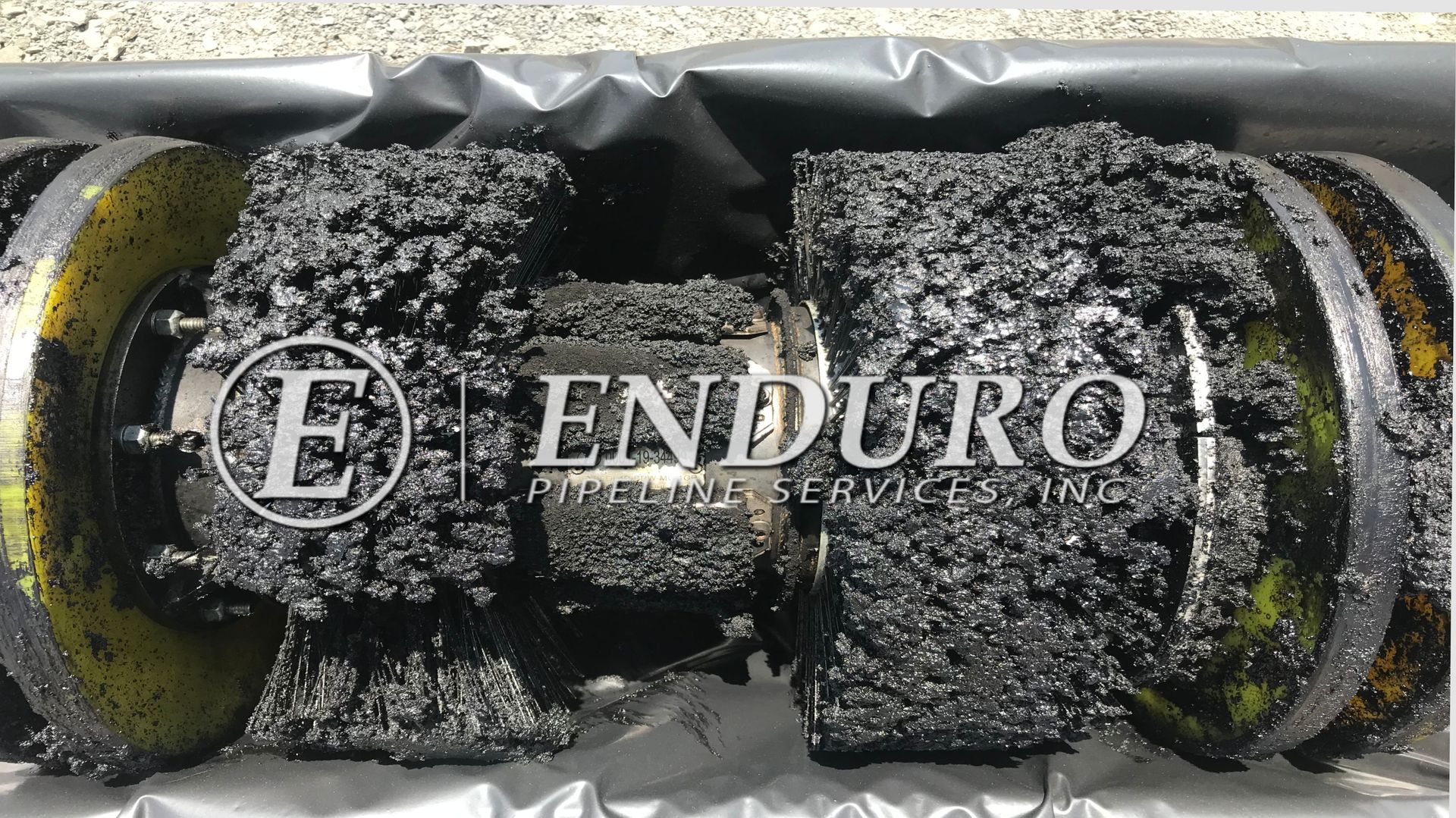
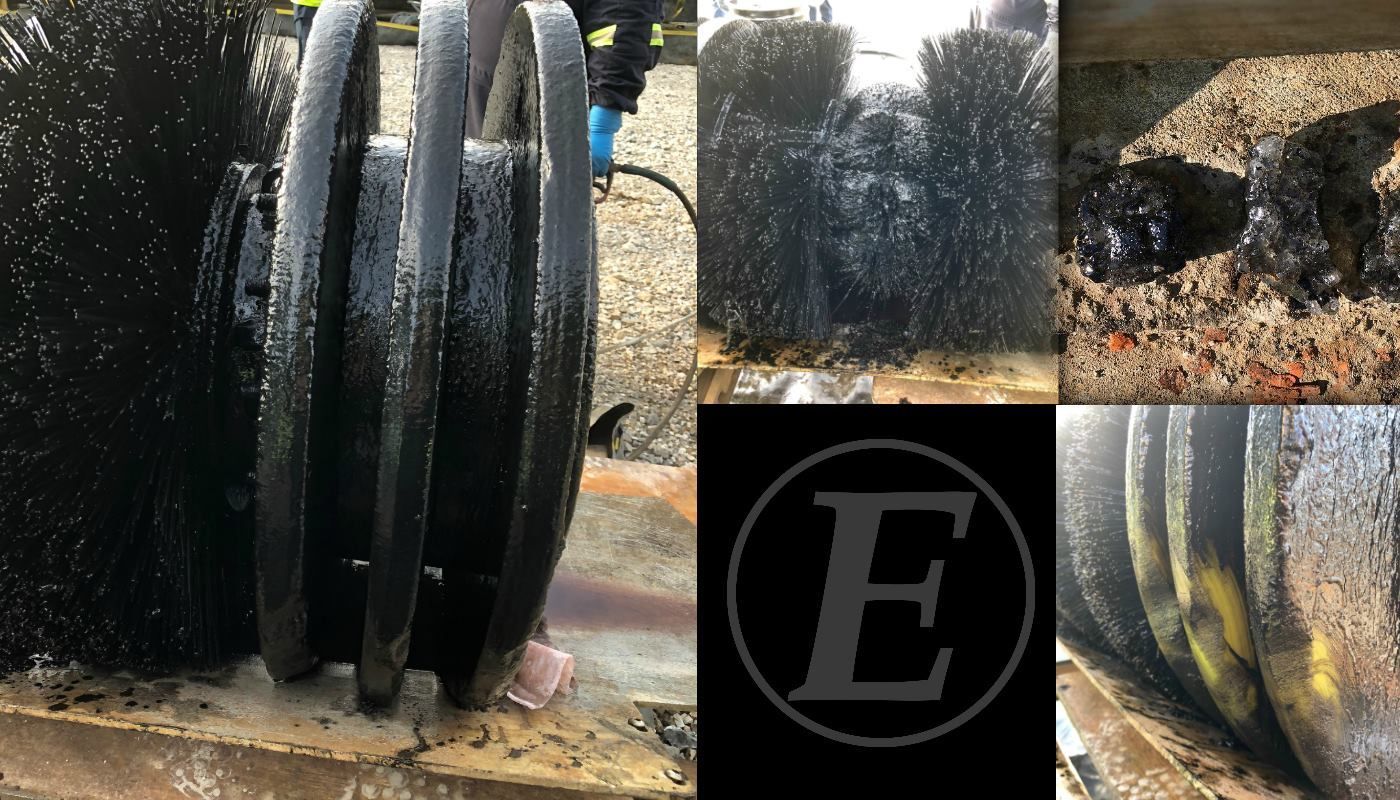
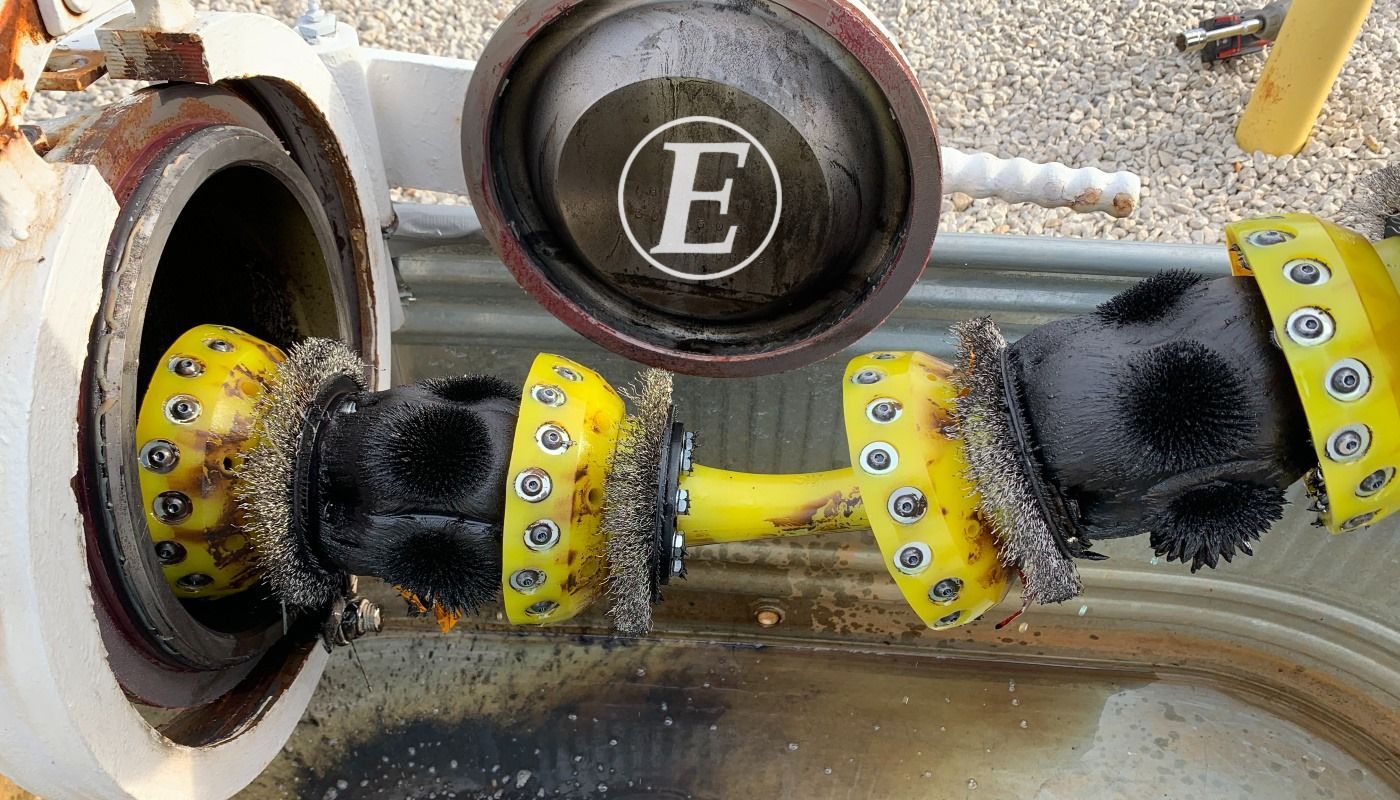
Brush Pigs
Brush pigs are designed for more aggressive cleaning applications. They incorporate wire brushes or scraping elements to remove stubborn deposits such as wax, scale, or hardened debris.
Best for:
- Heavy cleaning
- Wax removal
- Scale buildup
Brush pigs are often used when standard cleaning pigs are not sufficient.
Batching Pigs
Batching pigs are used to separate different products within a pipeline or to displace fluids during operations.
Best for:
- Product separation
- Liquid displacement
- Dewatering operations
They are commonly used in multi-product pipelines and during commissioning activities.
Specialty Pipeline Pigs
Specialty pigs are designed for unique pipeline conditions, including diameter changes, specific debris challenges, or complex pipeline configurations.
Examples include:
These pigs are typically engineered for specific project requirements and operating environments.
How to Choose the Right Cleaning Pig
Choosing the right cleaning pig isn’t always straightforward. Many operators know they need to clean their pipeline—but aren’t always sure which type of pig will actually perform best under their specific conditions.
That’s where experience and proper evaluation make the difference.
At Enduro Pipeline Services, we focus on helping customers understand their options and select the right tool based on real pipeline conditions—not guesswork. Our goal is to educate, guide, and recommend solutions that will perform in the field the first time.
When selecting a cleaning pig, several factors should be considered:
- Pipeline diameter and configuration
- Type and severity of debris or buildup
- Flow conditions and operating pressure
- Cleaning objectives (maintenance vs. aggressive cleaning)
- Inspection requirements and tool passage needs
Choosing the wrong pig can lead to ineffective cleaning, unnecessary runs, or even tool damage. The right pig, on the other hand, improves efficiency, reduces downtime, and helps ensure the pipeline is properly prepared for operation or inspection.
If you’re unsure which cleaning pig is right for your application, our team is here to help. We work directly with operators to evaluate conditions, recommend the right approach, and support the entire cleaning program—from selection to execution.
For a detailed breakdown of cleaning performance and applications, see our pipeline cleaning pig comparison guide → https://www.enduropls.com/cleaningpigcomparison
Enduro Pipeline Pig Solutions
At Enduro Pipeline Services, we design and manufacture pipeline pigs built for real-world conditions.
From standard urethane pigs to custom-engineered solutions, our team works directly with operators to develop cleaning programs that match pipeline conditions—not guesswork.
Explore our full range of pipeline cleaning pigs → https://www.enduropls.com/pipeline-cleaning-pigs
Pig tracking equipment is often used alongside cleaning pigs to monitor tool location and ensure safe, efficient runs.
How Cleaning Pig Types Fit Into Pipeline Pigging
Cleaning pigs are a critical part of the overall pipeline pigging process. Choosing the right type of cleaning pig depends on the pipeline conditions, debris, and the objective of the run.
Learn how it all works: Pipeline Pigging Process
Talk to Enduro about Pipeline Pig Selection
Not sure which pipeline pig is right for your application?
Our team can help you select the right pig based on your pipeline conditions, cleaning goals, and inspection requirements.
Call: 800-752-1628
Request a Quick Quote → https://www.enduropls.com/quick-quotepage
FAQ SECTION
What are the different types of pipeline pigs?
Pipeline pigs include foam pigs, urethane pigs, brush pigs, batching pigs, and specialty pigs designed for specific applications.
What is the most common type of pipeline pig?
Urethane cup and disc pigs are among the most commonly used due to their durability and effectiveness in routine cleaning and batching operations.
When should foam pigs be used?
Foam pigs are typically used for light cleaning, drying, or navigating pipelines with tight bends or diameter changes.
What are brush pigs used for?
Brush pigs are used for aggressive cleaning applications, such as removing wax, scale, or hardened deposits.
How do I choose the right pipeline pig?
Choosing the right pig depends on pipeline conditions, debris type, flow characteristics, and cleaning objectives. Consulting with a pipeline pigging specialist can help ensure proper selection.