What type of pig do I need for wax removal?

April 1, 2026

How to choose the right pipeline pig based on wax buildup, flow conditions, and real-world operating challenges

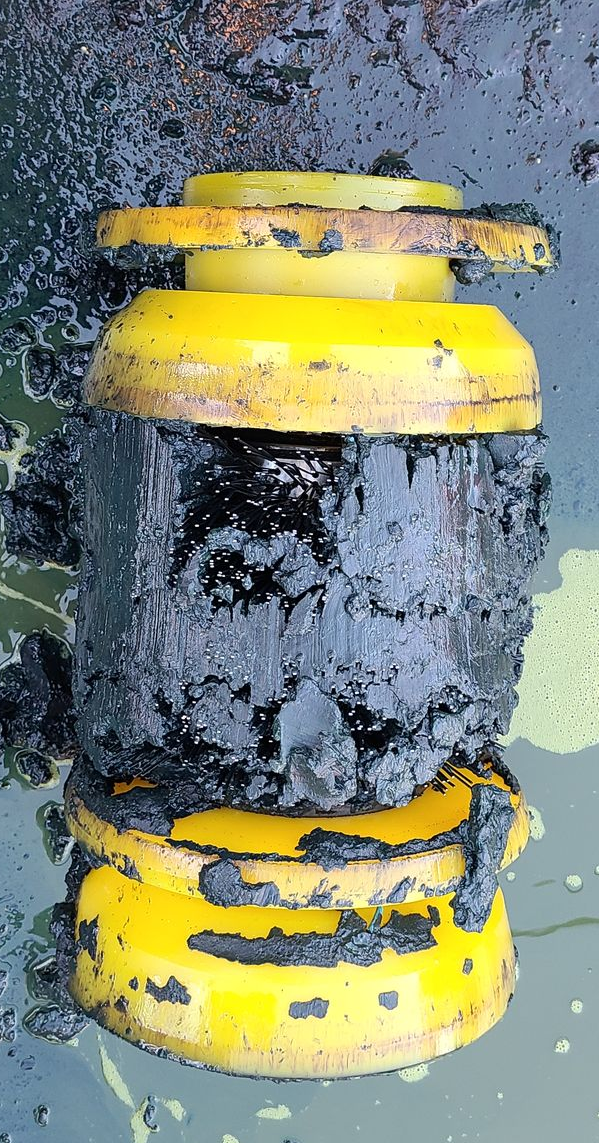
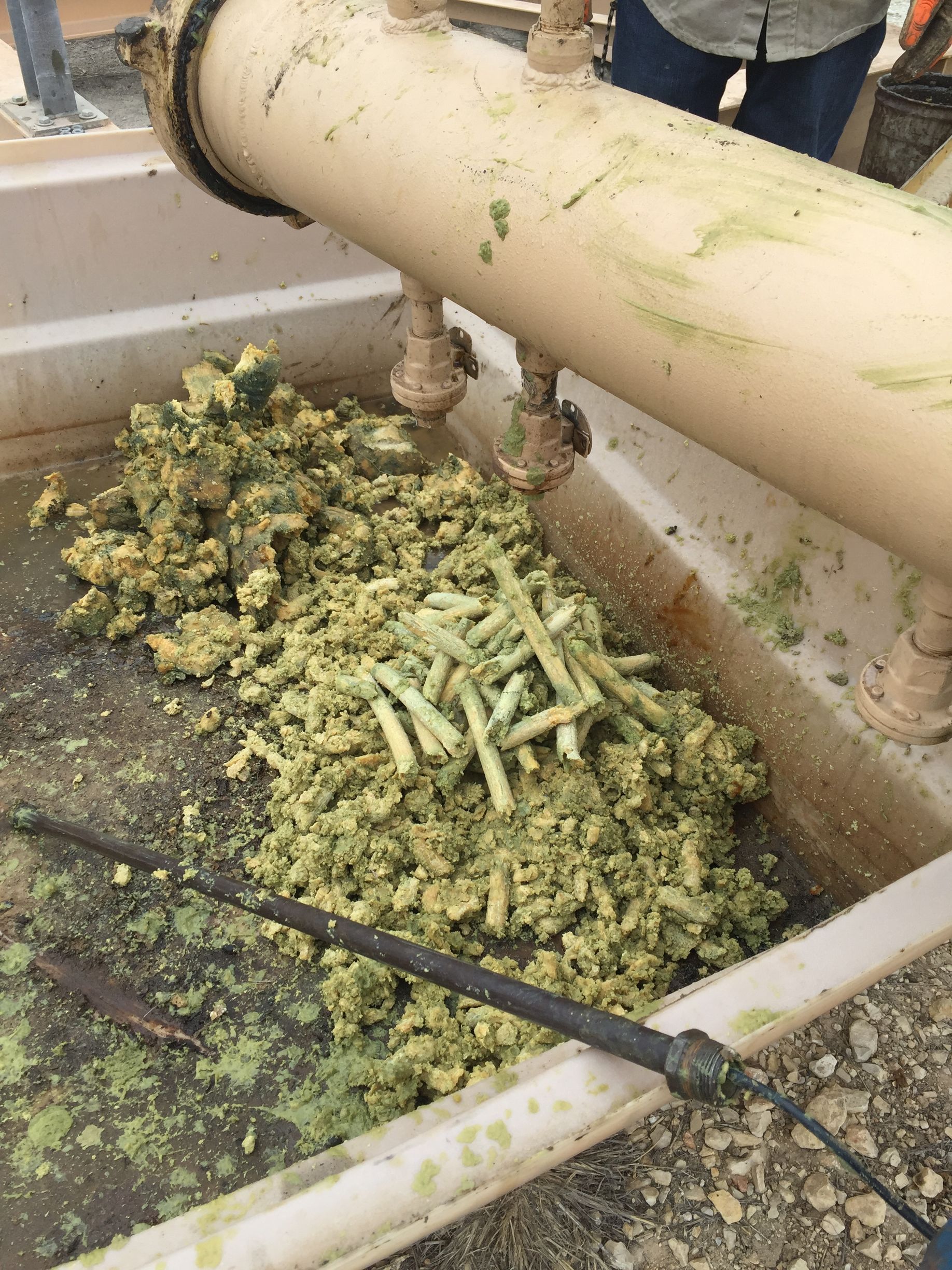
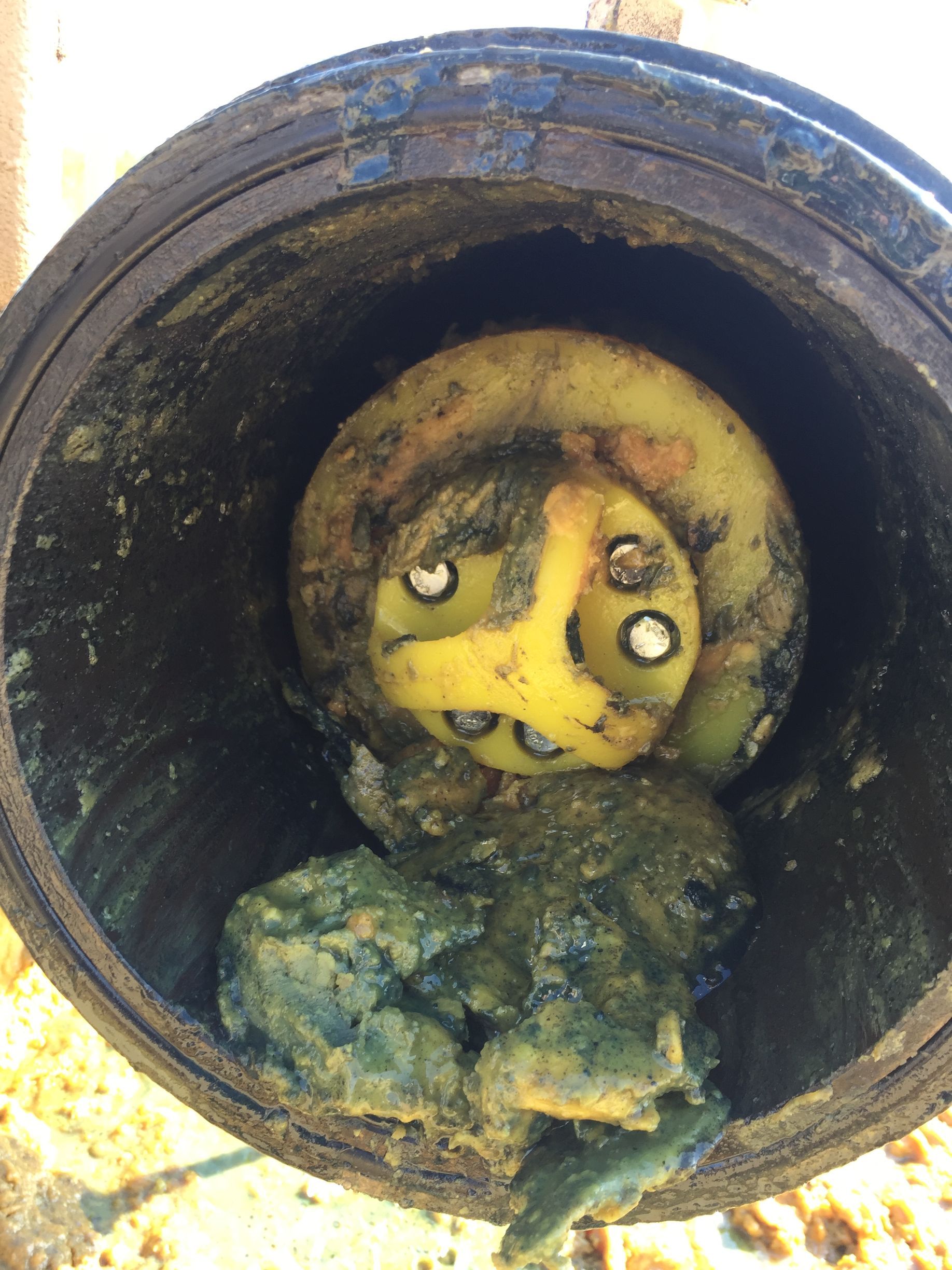
Heavy wax debris is being pushed out of a pipeline by an Enduro Cleaing Pig

Best Pig for Wax Removal:

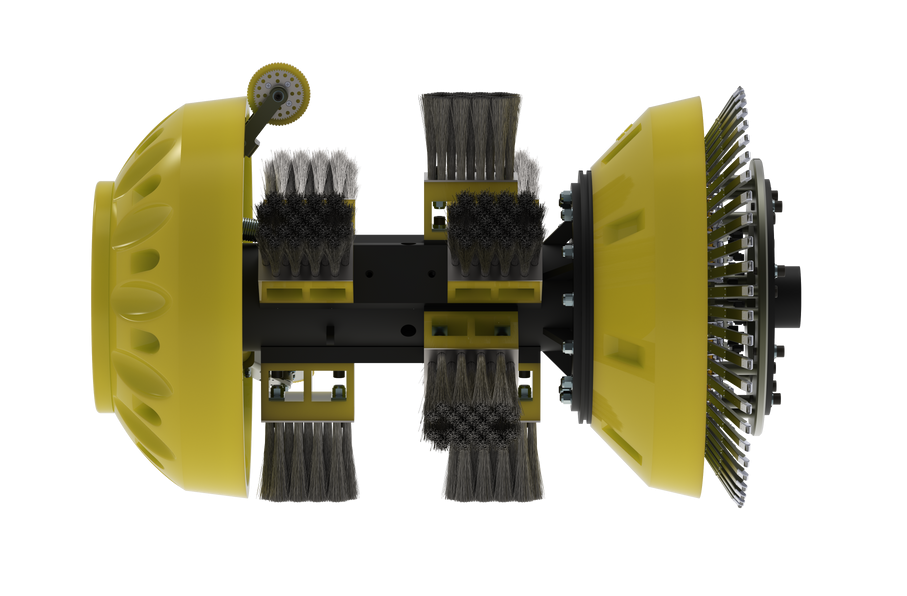
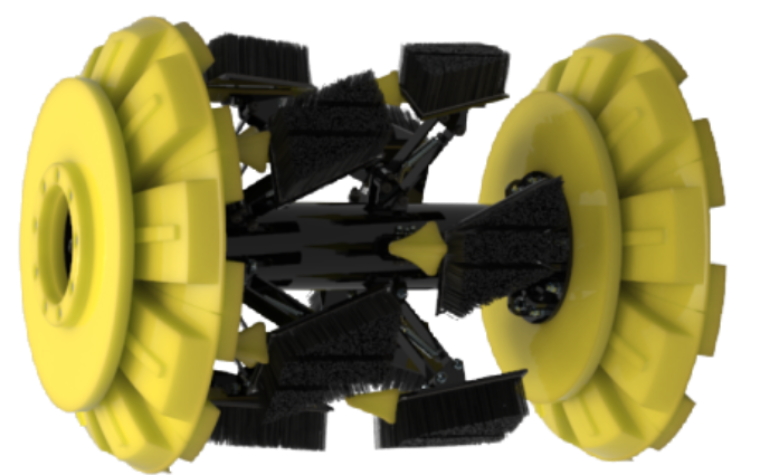
For most pipelines, urethane pigs and brush pigs are the most effective for removing wax buildup. The right choice depends on wax severity, flow rate, pipeline geometry, and the level of aggressiveness required for cleaning.


Why Wax Buildup Is a Bigger Problem Than It Looks

Wax buildup doesn’t just restrict flow—it creates a chain reaction of operational issues that can impact efficiency, inspection accuracy, and even pipeline integrity.

As wax accumulates along the pipe wall, it:

  • Reduces flow efficiency and increases pressure requirements
  • Creates inconsistent internal surfaces that affect pig performance
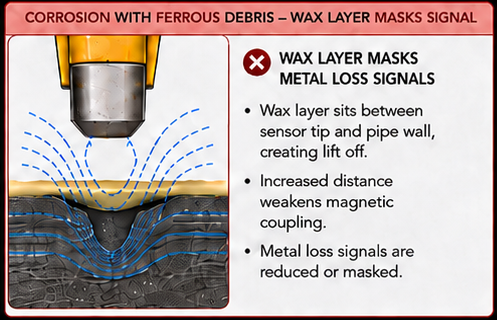
  • Interferes with inline inspection (ILI) tools, leading to poor or unreliable data
  • Increases the risk of stuck pigs or incomplete cleaning runs

And here’s where most operators run into problems—they choose the wrong pig for the conditions.

Too light, and it won’t remove the buildup.
Too aggressive, and it can bypass, wear out prematurely, or create unnecessary risk.


Why Pig Selection Matters

There’s no one-size-fits-all solution for wax removal.

The most effective cleaning programs are built around real pipeline conditions, including:

  • Wax type and severity
  • Pipeline diameter and wall condition
  • Flow rate and pressure
  • Bend radius and restrictions

This is why understanding the differences between pig types—and when to use each—is critical to getting the job done right the first time.


 Urethane Pigs (Best for Moderate to Heavy Cleaning + Sealing)

For most wax removal applications, urethane pigs offer the best balance of cleaning performance and sealing capability.

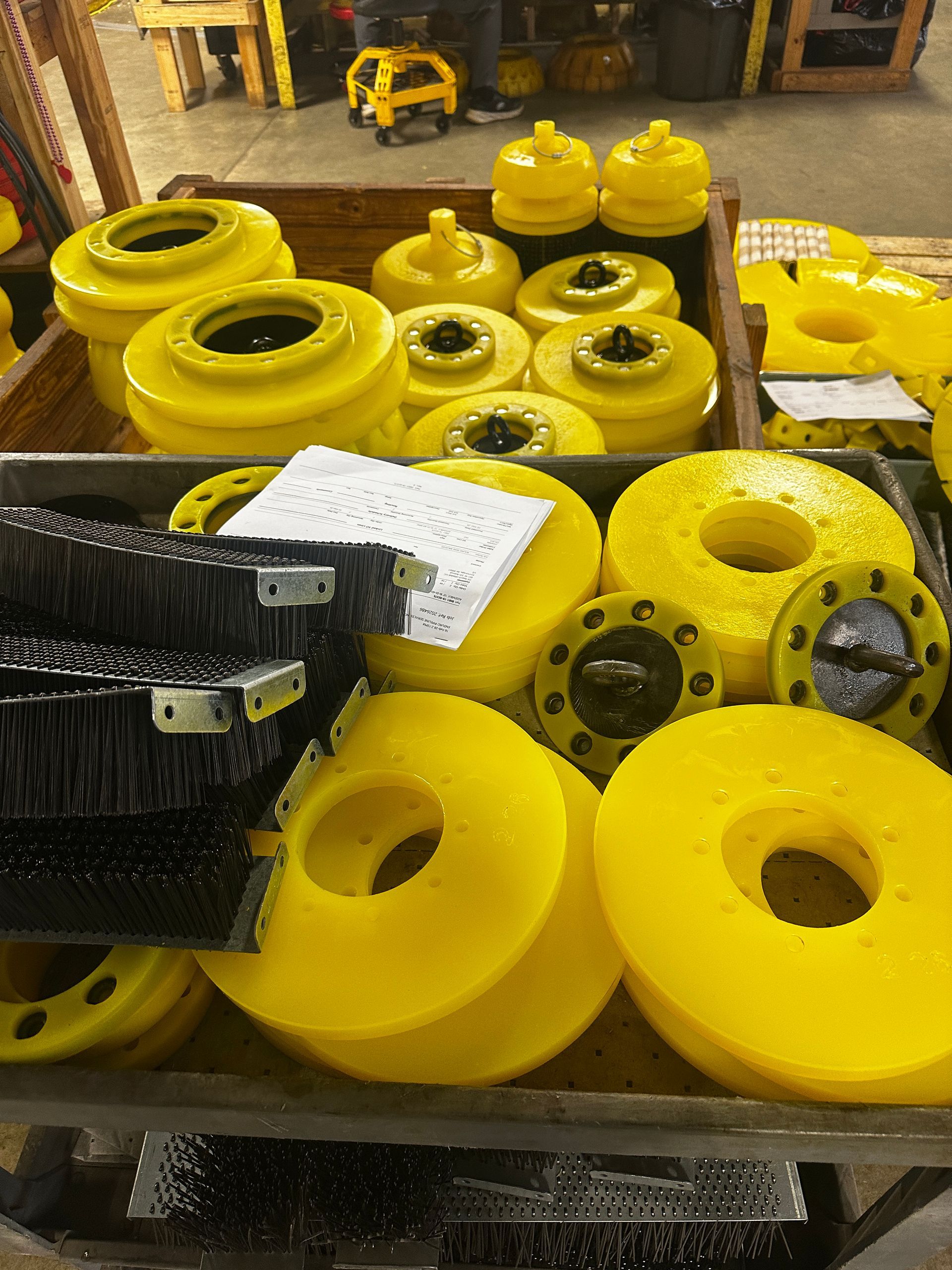
They’re more durable than foam pigs and can be configured with cups, discs, brushes, or scraper elements depending on the job.

Best for:

  • Moderate to heavy wax buildup
  • Maintaining consistent contact with the pipe wall
  • Pipelines requiring both cleaning and sealing

Why they’re widely used:

  • Hold their shape under pressure
  • Provide consistent cleaning performance over longer runs
  • Can be customized for specific pipeline conditions


Foam Pigs (Best for Light Maintenance Cleaning)

Foam pigs are often used for lighter cleaning applications or routine maintenance, but they’re not typically the best choice for heavy wax removal.

Their flexibility allows them to navigate tight bends and restrictions, but they lack the aggressive cleaning power needed to remove tougher deposits.

Best for:

  • Light wax buildup
  • Maintenance runs between more aggressive cleanings
  • Systems with tight bends or diameter changes

Limitations:

  • Lower durability
  • Less effective on hardened or thick wax

Foam pigs can play a role—but relying on them for heavy wax removal often leads to incomplete cleaning and repeat runs.


What Most Effective Cleaning Programs Look Like

In real-world operations, wax removal is rarely a one-pass solution.

The most effective approach often includes:

  1. Initial run with a brush pig to break up heavy deposits
  2. Follow-up runs with urethane pigs to remove remaining debris and condition the line
  3. Additional runs as needed to achieve inspection-ready conditions

Need Help Selecting the Right Pig?

Every pipeline is different—and choosing the right pig upfront can save time, reduce risk, and avoid costly reruns.

If you’re dealing with wax buildup and want to get it right the first time,  talk to our team or request a quote here:  https://www.enduropls.com/quick-quotepage


Common Mistakes Operators Make When Removing Wax


Wax removal seems straightforward—but in practice, it’s one of the most common areas where pigging programs fall short. Most issues don’t come from the pipeline itself… they come from incorrect assumptions and pig selection.


1. Choosing a Pig That’s Too Light for the Job

One of the biggest mistakes is underestimating how much wax is actually in the line.

Operators often start with foam pigs or lighter cleaning tools thinking they’ll “see how it goes”—but this usually results in:

  • Incomplete cleaning
  • Multiple unnecessary runs
  • Wasted time and increased costs

If wax buildup is moderate to heavy, starting with a more aggressive solution (like brush or properly configured urethane pigs) is usually the better approach.


2. Trying to Solve Everything in One Run

Wax removal is rarely a one-pass job—especially in pipelines with significant buildup.

Trying to remove all deposits in a single run can lead to:

  • Debris accumulation in front of the pig
  • Increased risk of stalling or bypass
  • Inconsistent cleaning results

The most effective programs use a multi-run approach, gradually removing buildup and conditioning the pipeline.


3. Ignoring Flow Conditions

Even the right pig won’t perform if flow conditions aren’t properly considered.

Issues like:

  • Inconsistent flow rates
  • Low velocity
  • Pressure fluctuations

…can all impact how effectively a pig removes wax and transports debris.

Pig performance isn’t just about design—it’s about how it interacts with real operating conditions.


4. Not Preparing Properly for ILI

This is a costly one.

If wax isn’t fully removed before an inline inspection (ILI) run, it can:

  • Interfere with tool sensors
  • Reduce data accuracy
  • Lead to reruns and additional downtime

Proper cleaning isn’t optional—it’s critical for reliable inspection results.


5. Using a “Standard” Pig Instead of a Custom Solution

Not all pipelines are the same—so using an off-the-shelf pig without considering:

  • Diameter changes
  • Bend radius
  • Wax characteristics
  • Operating conditions

…can limit performance.

The best results come from pigs designed around actual pipeline conditions—not guesswork.


Bottom Line

Wax removal isn’t just about running a pig—it’s about running the right pig, in the right sequence, under the right conditions.

Getting it wrong leads to:

  • More runs
  • More downtime
  • Higher costs

Getting it right means:

  • Faster cleaning
  • Better flow efficiency
  • Reliable inspection results


Need Help Getting It Right the First Time?

If you’re dealing with wax buildup and want to avoid costly trial and error, our team can help you select the right pig and build a cleaning program around your actual pipeline conditions.

 800-752-1628

https://www.enduropls.com/quick-quotepage


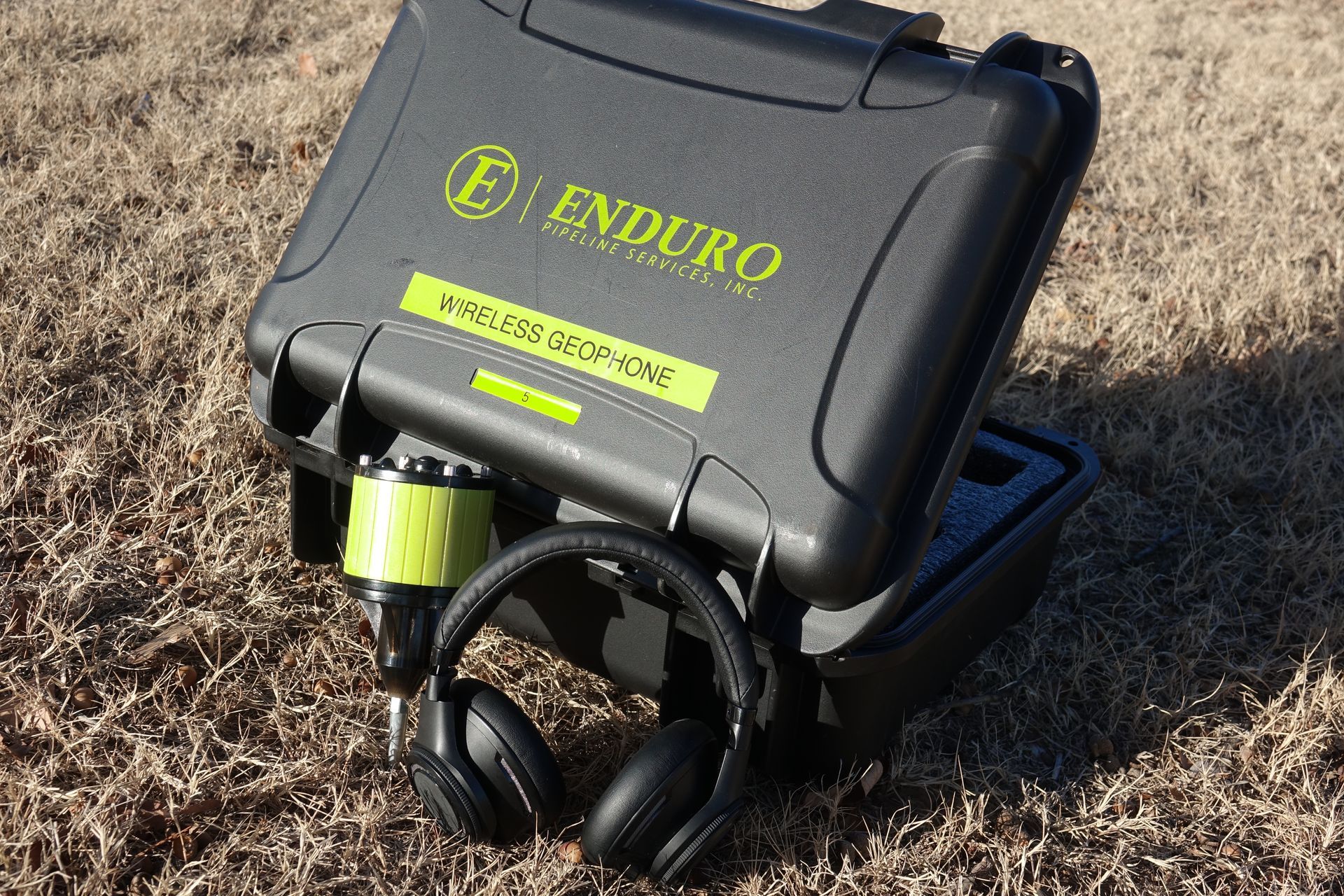
Wireless Geophone
January 29, 2026
Track pipeline pigs with confidence using Enduro’s Wireless Geophone. Rugged, field-ready tracking with acoustic detection, fast setup, and reliable —built in Tulsa.
Early pipeline construction
September 26, 2025
From Squeals to Smart Tech: The Evolution of Pipeline Pigs
Enduro Pipeline Cleaning Pig, pig train
August 22, 2025
Cleaning Pig Enduro Pipeline Cleaning Pigs
Dirty Pipeline Tools
July 29, 2025
Would You Still Run That ILI Tool If You Knew What Was Waiting in the Receiver?
JR Morgan advice on cleaning pigs
July 25, 2025
Choosing the Right Pig for the Job.
Speed Control Pigging Unit
July 25, 2025
High-Flow Pipelines Demand Smarter Solutions