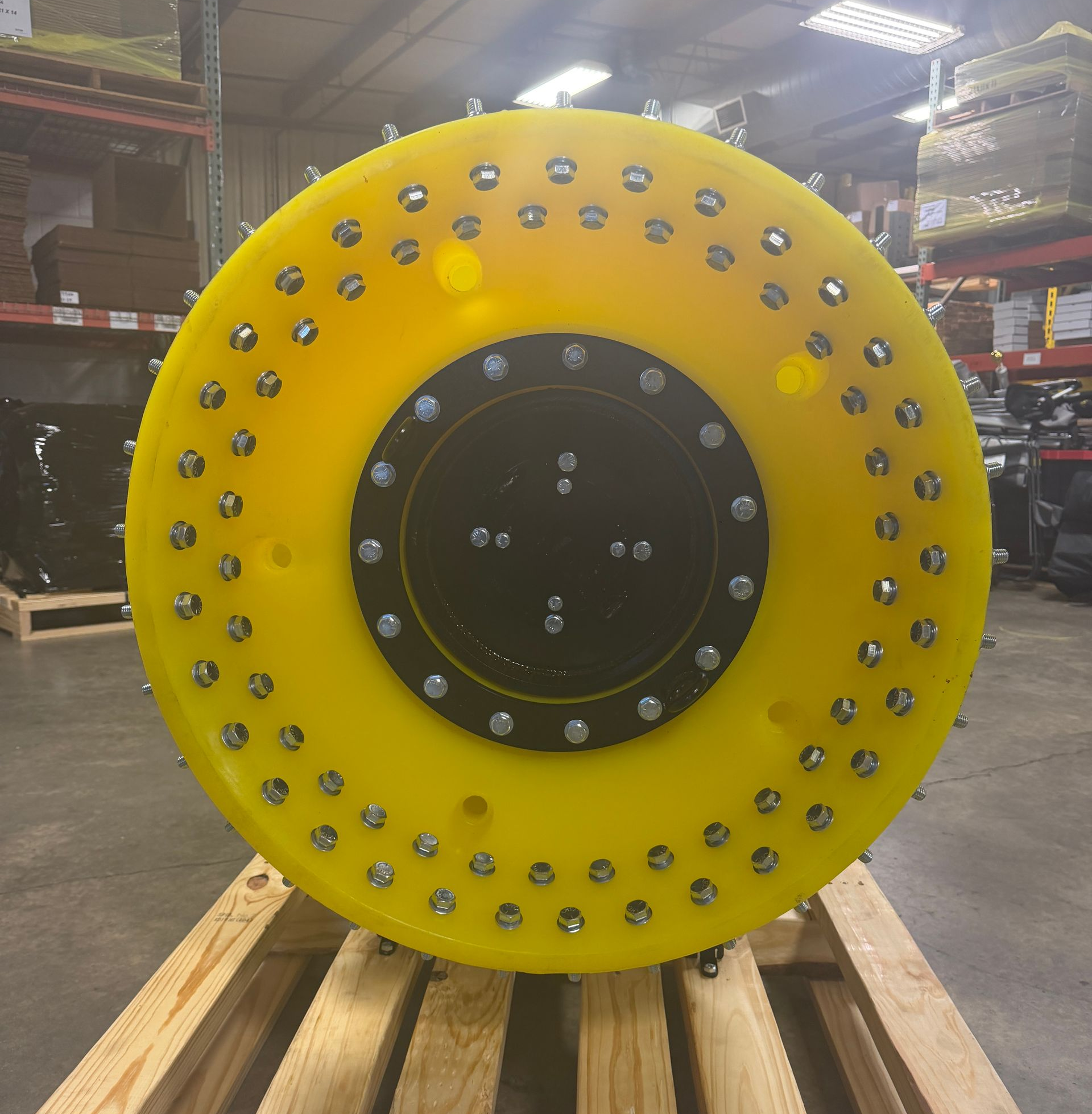
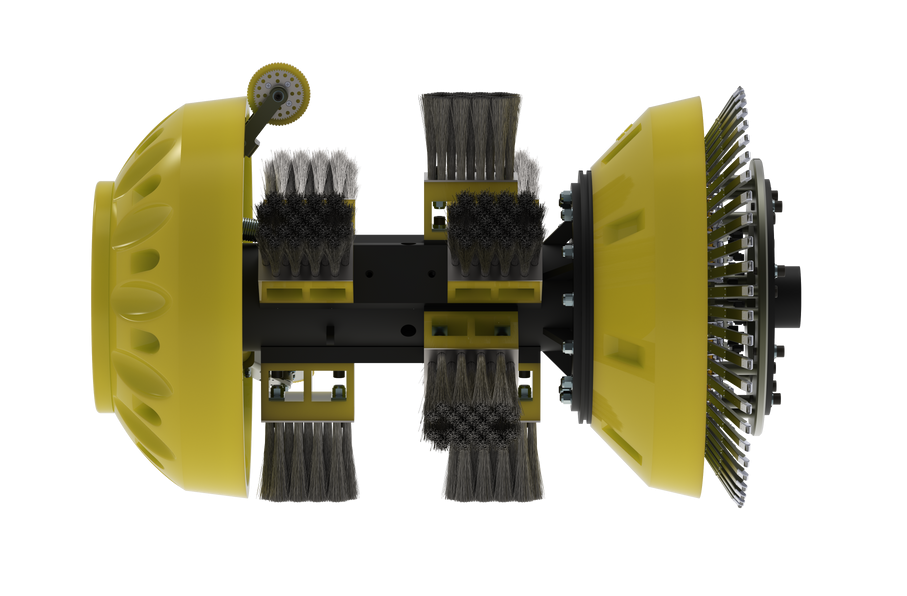
How a Dual-Diameter Cleaning Pig Solves the Problem

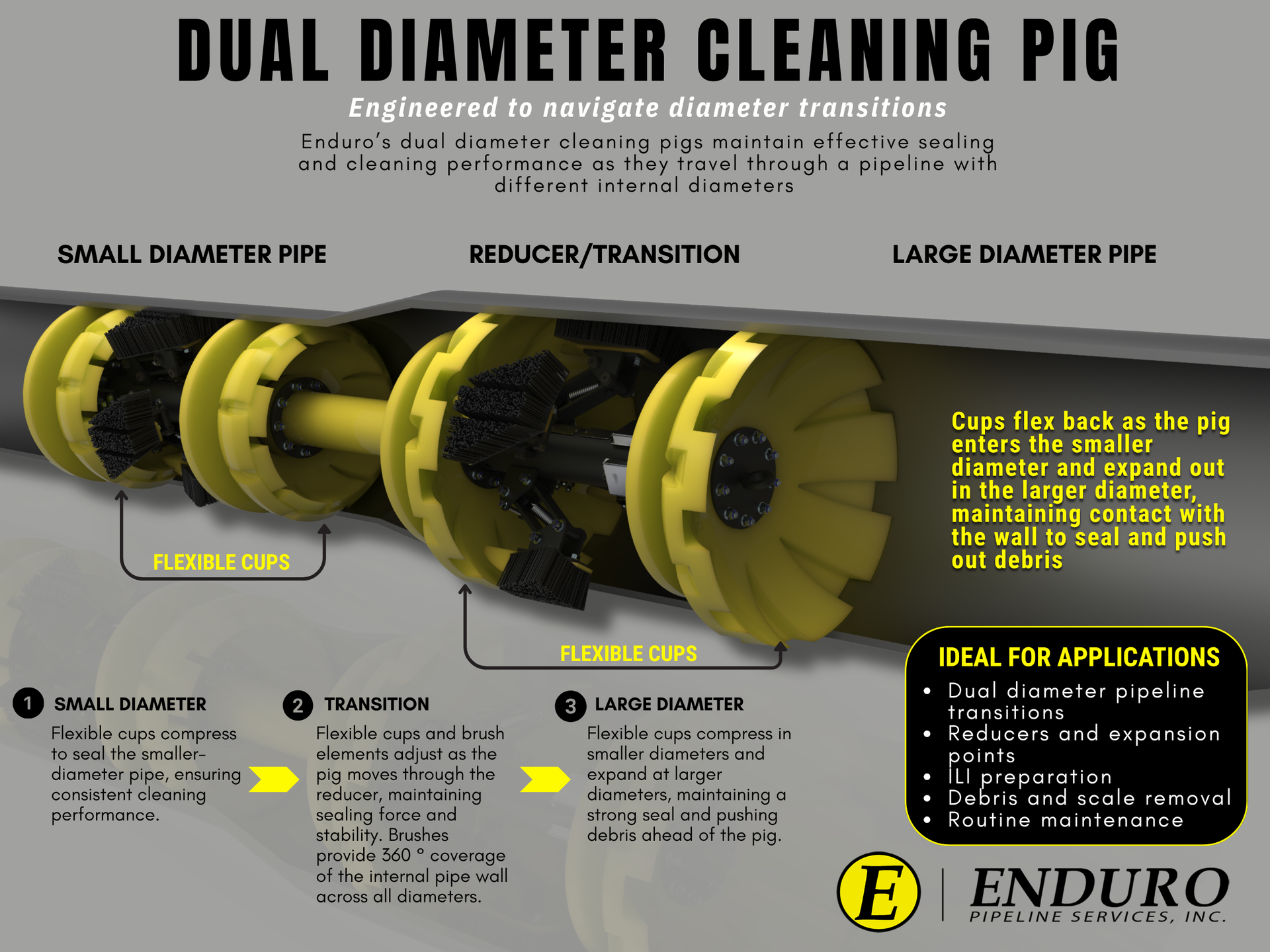
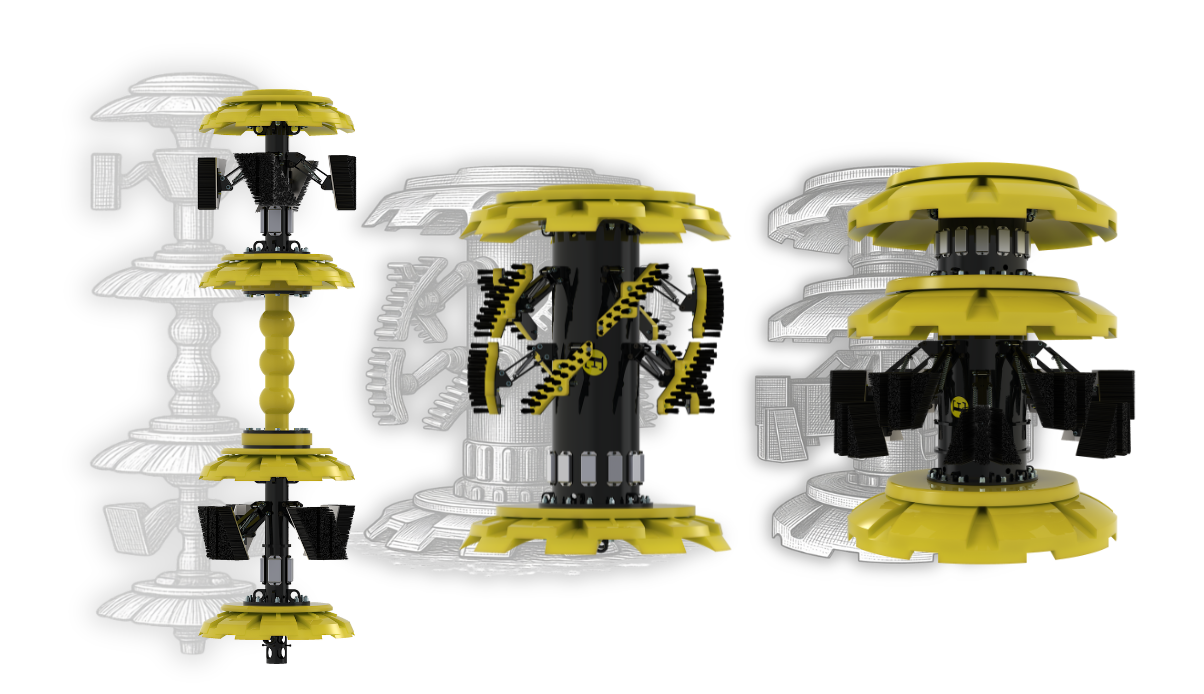
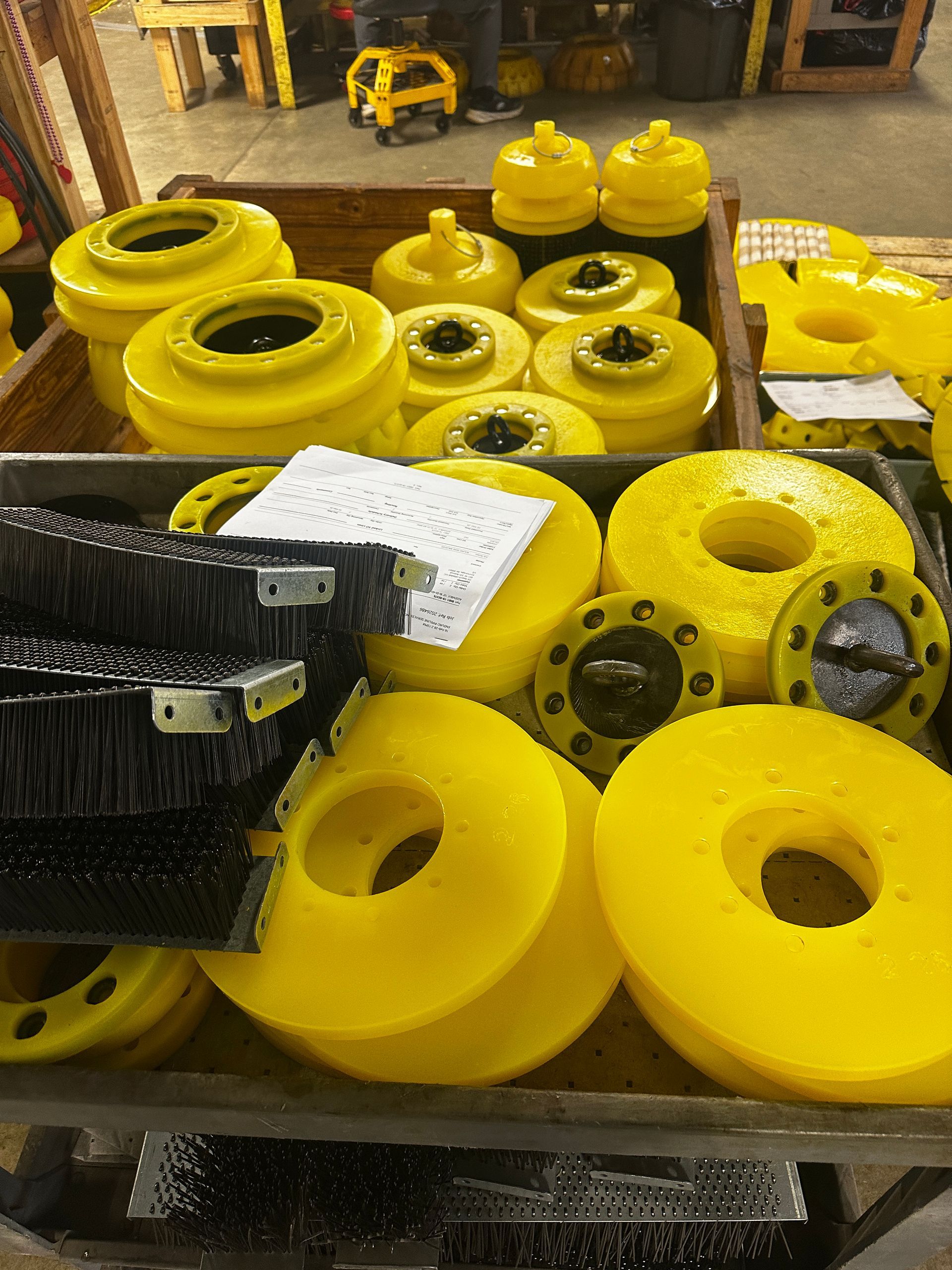
A dual-diameter cleaning pig is designed specifically for pipelines that change diameter.


Instead of being built for a single diameter, it is engineered to adjust as it moves between different pipe sizes while maintaining a working seal.


The key isn’t just that it can physically pass through both sections—it’s that it continues to clean effectively throughout the entire run.

It maintains contact with the pipe wall as the diameter changes, resulting in more consistent cleaning from start to finish.


What Problem Does a Dual-Diameter Cleaning Pig Solve?

Pipeline pigging is usually straightforward when a line stays the same size from end to end. The pig is selected for that diameter, it seals properly, and it moves through the pipe doing its job.


The challenge shows up when the pipeline changes size.


A section might transition from 24” to 30”, or the other way around, due to expansions, tie-ins, or older infrastructure being connected into newer systems. That’s where standard cleaning pigs start to fall short.


A standard cleaning pig is designed for a single consistent pipe diameter. When it encounters a change in size, it can no longer maintain a proper seal against the pipe wall.


In larger sections, the pig can lose sealing force, allowing product and debris to bypass it rather than being pushed forward. In smaller sections, it can become overly compressed, which affects performance and stability. Either way, the cleaning becomes inconsistent.

Even if the pig makes it through the entire line, the results are uneven. Some areas are cleaned effectively, while others are not—and those gaps can show up later as buildup, reduced flow, or unexpected maintenance issues.


For a closer look at standard cleaning tools, see our pipeline cleaning pigs page → https://www.enduropls.com/pipeline-cleaning-pigs

Why Design Matters More Than People Think

What many people underestimate is how difficult that balance actually is.

If a pig is too stiff, it can struggle to transition between diameters.
If it’s too flexible, it may pass through—but won’t maintain enough sealing force to clean effectively.


A properly designed dual-diameter pig has to strike that balance:

  • Flexible enough to transition smoothly
  • Stable enough to maintain position
  • Strong enough to keep an effective seal


That balance doesn’t happen by accident—it comes from real-world experience.


Not All Dual-Diameter Pigs Perform the Same

Over the years, many companies have tried to replicate dual-diameter pig designs.

But while designs can be copied, experience cannot.


At Enduro Pipeline Services, our dual-diameter pigs are based on a proven design refined through years of field work, tool development, and solving real pipeline challenges.


Because we don’t just design these tools—we manufacture them, run them, and see how they perform in actual pipeline conditions—we understand what works and what doesn’t.


That’s something that can’t be duplicated, and it’s why the original design continues to outperform.


Built for Real Pipeline Conditions

Pipeline conditions are rarely perfect.

Diameter changes are often combined with:

  • Debris
  • Flow variations
  • Operational constraints


That’s why dual diameter pigs need to do more than just pass through the line—they need to perform under real conditions.


At Enduro, these tools are designed, built, and tested with that in mind. Not just to get through the pipeline—but to do the job the entire way.


Why This Matters to Operators

Dual diameter pigs exist for one simple reason:

Pipelines don’t always stay the same size—but cleaning still has to be reliable from end to end.


When the right tool is used, operators get:

  • More consistent cleaning
  • Fewer missed sections
  • Better preparation for inspection
  • Fewer surprises after startup


Talk to Enduro About Dual-Diameter Cleaning Pigs

If your pipeline includes diameter changes, the cleaning approach matters.

Our team can help evaluate your line, recommend the right solution, and make sure the job is done right the first time.


McKenzee O'Neal

Product Sales

mckenzeeo@enduropls.com

Office 918-446-1934 


This is paragraph text. Click it or hit the Manage Text button to change the font, color, size, format, and more. To set up site-wide paragraph and title styles, go to Site Theme.

Pipeline Pig Tracking
April 14, 2026
Understanding how non-intrusive pig tracking improves visibility, efficiency, and confidence in the field
Pipeline pigging opening showing heavy wax buildup inside pipeline before cleaning
April 1, 2026
Learn how to choose the right pipeline pig for wax removal. Compare foam, urethane, and brush pigs based on pipeline conditions and cleaning needs.
Wireless Geophone
January 29, 2026
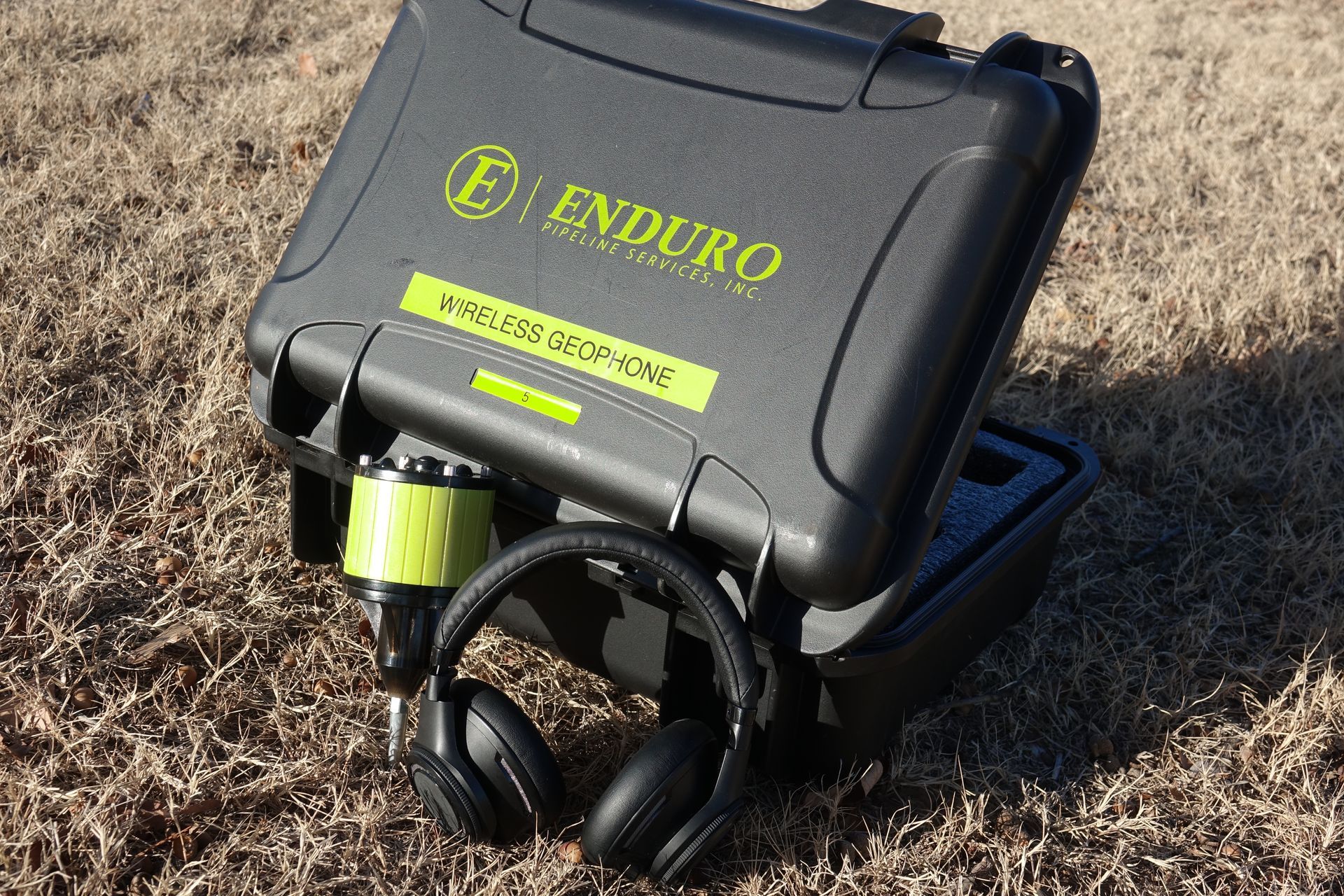
Track pipeline pigs with confidence using Enduro’s Wireless Geophone. Rugged, field-ready tracking with acoustic detection, fast setup, and reliable —built in Tulsa.
Early pipeline construction
September 26, 2025
From Squeals to Smart Tech: The Evolution of Pipeline Pigs
Enduro Pipeline Cleaning Pig, pig train
August 22, 2025
Cleaning Pig Enduro Pipeline Cleaning Pigs
Dirty Pipeline Tools
July 29, 2025
Would You Still Run That ILI Tool If You Knew What Was Waiting in the Receiver?
JR Morgan advice on cleaning pigs
July 25, 2025
Choosing the Right Pig for the Job.
Speed Control Pigging Unit
July 25, 2025
High-Flow Pipelines Demand Smarter Solutions