David Ariza is Enduro Pipeline Services’ Account Manager for the Rocky Mountain Region. Before moving into account management, David spent 13 years as an Enduro Field Technician, giving him extensive hands-on experience with pipeline inspection tools, field operations, and the conditions that affect inspection success.
What Causes MFL Data Loss During Pipeline Inspection?
PIPELINE INSPECTION EXPLAINED

How debris, sensor lift-off and excessive tool speed can compromise magnetic flux leakage inspection results
A magnetic flux leakage inspection may identify metal loss, but the quality of the final data depends heavily on what happens inside the pipeline during the run. Debris can interfere with the sensors, while excessive tool speed can weaken the magnetic response. Understanding these risks before an inline inspection can reduce data loss, uncertainty and the possibility of an unsuccessful survey.
What Is MFL—and Why Does Data Quality Matter?
Magnetic flux leakage (MFL) is a nondestructive testing (NDT) method used during pipeline inline inspection (ILI) to detect and characterize metal-loss features such as corrosion and pitting. The inspection tool records magnetic responses as it travels through the pipeline, and analysts use those signals to identify and estimate metal-loss features.
When debris prevents consistent sensor contact or the tool travels outside its intended speed range, the recorded response may be incomplete or distorted. The feature may still be visible, but analysts may not have enough reliable information to characterize it accurately. That is why pipeline preparation and speed management are data-quality issues—not merely operational details.
How Does MFL Inspection Work?
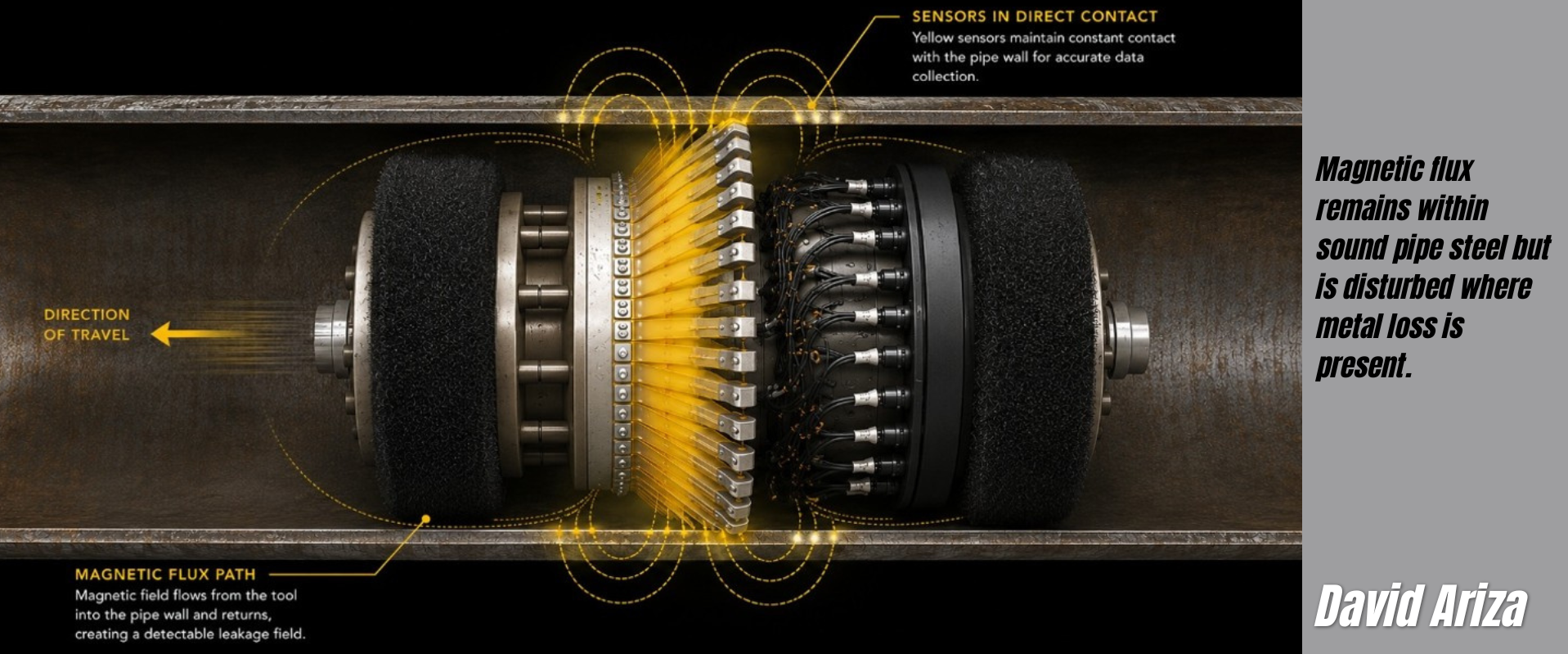
- The pipe wall is magnetized. Powerful magnets on the inspection tool magnetize the pipeline steel.
- Magnetic flux travels through the steel. Under normal conditions, the magnetic flux remains largely within the pipe wall.
- Metal loss disturbs the field. Where corrosion or another feature has removed steel, part of the magnetic flux leaks from the pipe wall.
- Sensors record the leakage field. Sensors on the tool detect and record the magnetic response.
- Analysts interpret the signal. Analysts analyze the recorded data to locate the feature and estimate its characteristics.
Important:
MFL does not directly measure corrosion depth. It measures a magnetic response. Analysts use that response—together with feature geometry, tool response, pipe properties, calibration and other factors—to estimate total metal loss.
What Causes MFL Data Loss?
In Enduro's field experience, the two most common causes of unsuccessful or compromised MFL surveys are debris and excessive tool speed. Both can reduce confidence in the recorded data and may prevent analysts from accurately characterizing metal-loss features.
1. Debris Can Mask MFL Signals or Lift Sensors
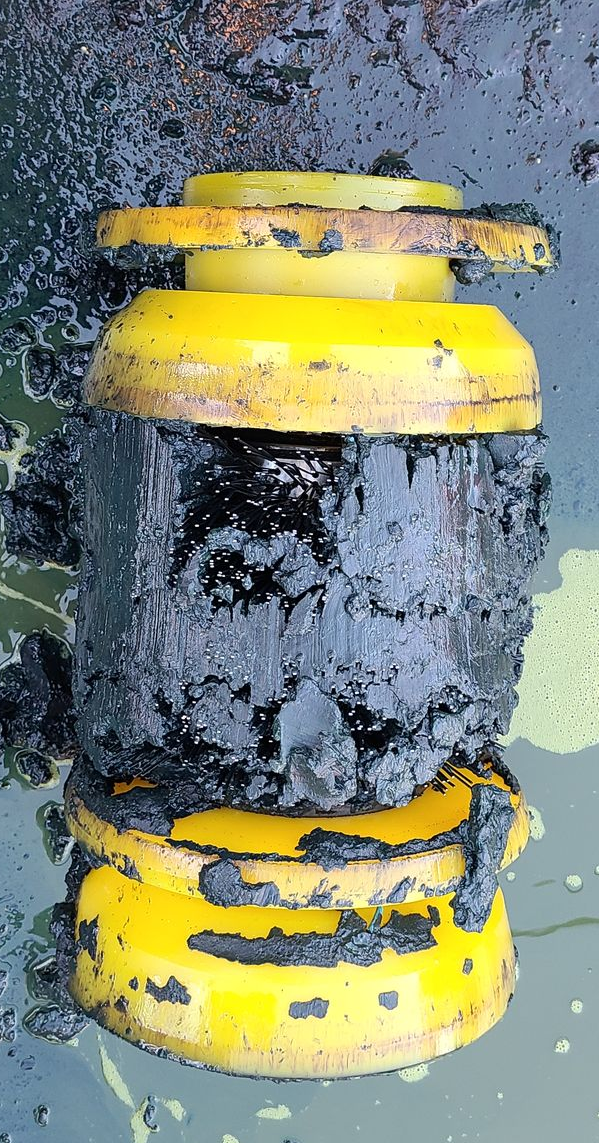
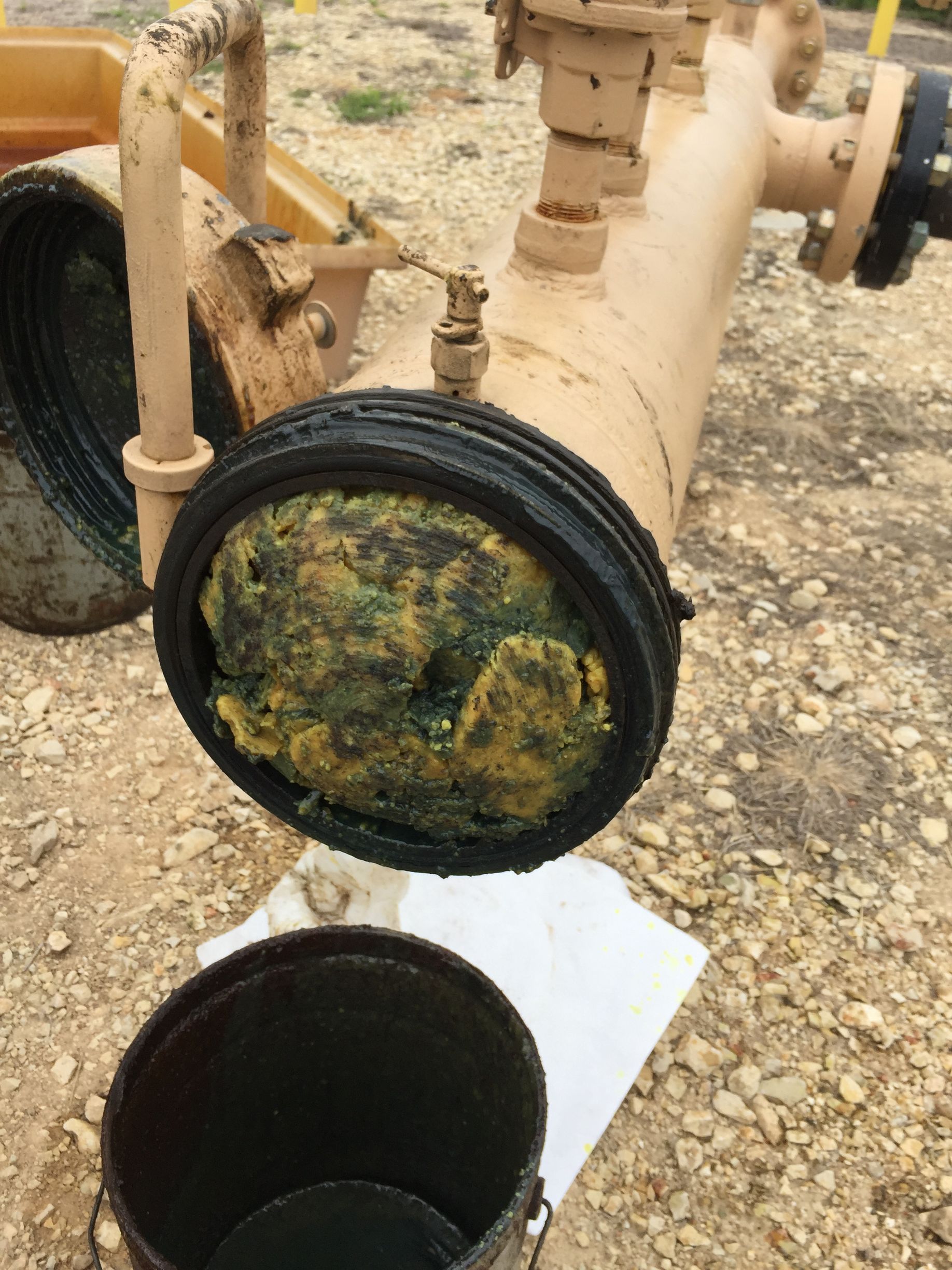
Debris can interfere with sensor contact or mask the magnetic response from a metal-loss feature. Two contaminants are especially important during MFL preparation: paraffin and ferrous debris.
- Paraffin: Paraffin can occur at any clock position inside the pipeline. It may lift the sensors away from the pipe wall and prevent consistent contact.
- Ferrous debris: Fine powder or sand-like magnetic particles can settle into metal-loss features and mask the signal. Because the particles are magnetic, the tool may detect a metal-loss signature without being able to estimate its depth accurately. Ferrous debris is commonly concentrated near the bottom of the pipe, often between the 4 o'clock and 8 o'clock positions.
A well-planned pipeline cleaning program can help reduce these risks. Cleaning decisions should be based on returned debris, pig condition, the cleaning objective and evidence that conditions are improving—not simply on completing a predetermined number of runs.
For a practical framework operators can use to evaluate successive cleaning runs, download Enduro’s Pipeline Cleaning Run Decision Framework.

2. Excessive Tool Speed Can Weaken the MFL Response
As an MFL tool moves through the pipeline, its magnets must saturate the pipe wall. When the tool travels too quickly, the magnetic system has less time to establish the required field. Lower magnetic saturation can weaken the recorded signal and reduce the detail available to characterize metal loss.
Think of a car crossing a pothole. At 5 mph, the driver can feel the pothole’s width and depth. At 25 mph, the driver still knows the pothole is there but receives far less detail about its actual size. MFL inspection is similar: as speed increases, the tool may record the presence of a feature without collecting the same level of information needed to characterize it accurately.
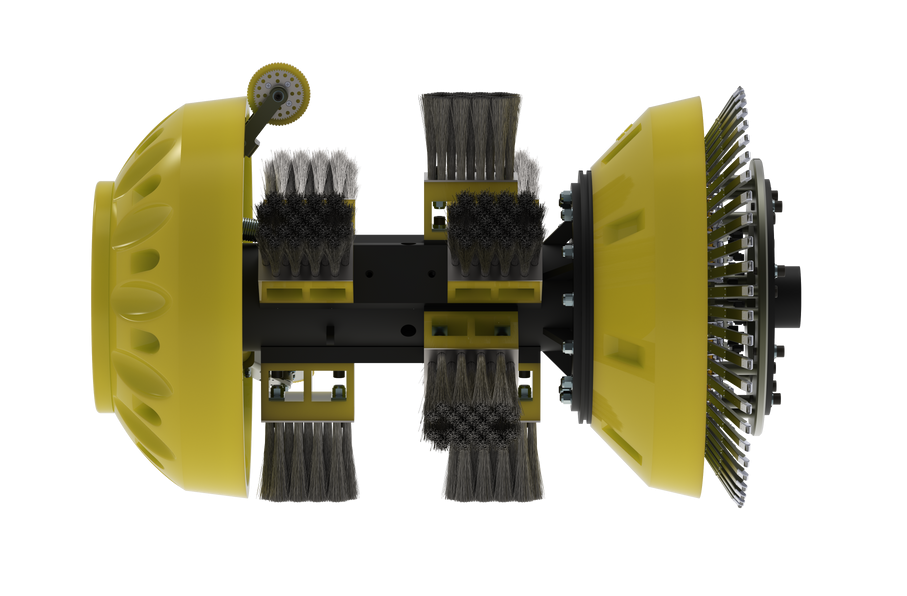
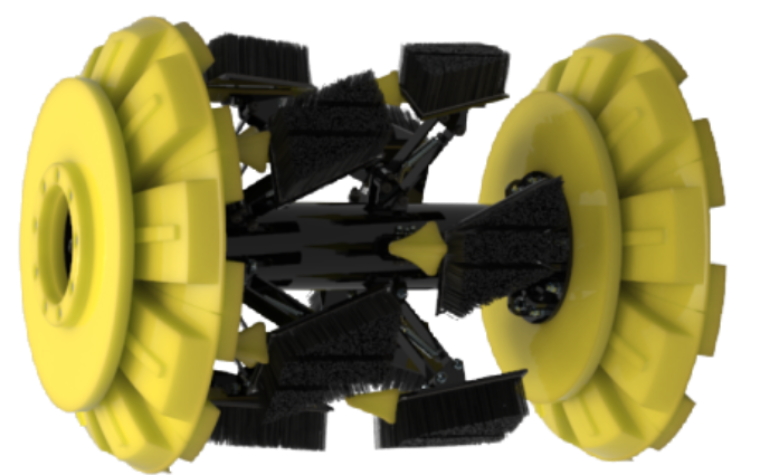
Maintaining a consistent speed within the inspection tool's operating parameters is essential. When pipeline flow cannot be reduced enough to maintain an acceptable inspection speed, options may include Enduro's DSC 2.0 speed-control tool—available in sizes from 16 to 42 inches—or application-specific tool modifications. The appropriate approach depends on the pipeline and inspection conditions.
How Can Operators Reduce the Risk of MFL Data Loss?
Before an MFL inspection, Enduro’s Sales and Operations teams can help evaluate line conditions, identify potential data-quality risks, and review available mitigation strategies. Key preparation areas include:
- A cleaning program matched to the contaminants and inspection objective
- Review of debris returned during successive cleaning runs
- A plan for maintaining tool speed within the specified operating range
- Tool configuration and speed-control options suited to the application
- Clear communication among the operator, cleaning team, and inspection provider
Proper preparation cannot eliminate every inspection risk, but thoughtful cleaning, speed management, and tool configuration can substantially improve the probability of collecting a complete, high-quality MFL data set.
Planning an MFL Inspection?
Enduro provides MFL inspection tools and services, pre-ILI cleaning support and application-specific speed-control solutions. Before your next run, our team can help review pipeline conditions, potential debris risks, anticipated operating speeds, and available preparation options that may support a more successful inspection.
This is paragraph text. Click it or hit the Manage Text button to change the font, color, size, format, and more. To set up site-wide paragraph and title styles, go to Site Theme.