During my first year in pipeline pigging sales, I’ve learned that “How many cleaning pig runs will it take?” is one of the most common—and most difficult—questions to answer.
At first, I expected there to be a typical number of runs that applied to most pipelines. The more I’ve learned from our cleaning specialists and customers, the clearer the answer has become: it depends on what the pipeline tells you after each run.
There is no single number that works for every pipeline. Some pipelines may be ready after only a few cleaning runs. Others may require a progressive cleaning program using several pig configurations to gradually remove years of accumulated debris.
Why Isn’t There a Standard Number of Runs?
The number of cleaning pig runs needed depends on several factors, including:
- The condition and operating history of the pipeline
- The product being transported
- The type and volume of debris present
- How frequently the pipeline has been cleaned
- The pipeline’s diameter, length, bends, and other features
- The results recovered after each cleaning run
- Whether the objective is routine maintenance or preparation for inline inspection
A pipeline cleaned regularly may require fewer runs than one not cleaned in several years. Pipelines containing heavy paraffin, black powder, mill scale, rust, sand, construction debris, or other contaminants may require a more involved approach.
The cleaning objective also matters. A routine maintenance program may have a different stopping point than a
pre-ILI cleaning program, where debris could affect the movement of an inline inspection tool or the quality of the inspection data.
What Does “Clean Enough” Mean?
One of the most important things I have learned is that “clean” can be subjective. Not every operator, technician, or service provider uses the same standard when deciding whether a pipeline is clean enough.
Some operators may stop once the amount of recovered debris has significantly decreased. Others may continue cleaning until returns are minimal or until they meet a specific operational objective.
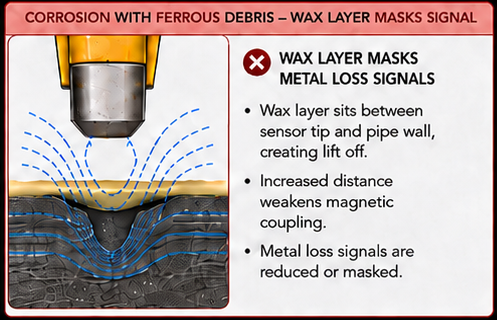
When an inline inspection is planned, the cleanliness requirements are often higher. The goal is to reduce debris that could interfere with the inspection tool, restrict its movement, affect sensor contact, or reduce confidence in the collected data.
The right stopping point should be based on the cleaning objective and the results of the individual pipeline—not simply a predetermined number of runs.
What Happens During a Progressive Cleaning Program?
A progressive cleaning program usually begins with a less aggressive pig and gradually introduces more aggressive cleaning components when needed. This helps operators manage debris loads and avoid removing more material than the pipeline’s receiving facilities can safely handle at one time.
The exact sequence will vary, but a cleaning program may include the following stages.
1. Initial Cleaning Run
The first run provides an important starting point. It removes loose debris and helps the operator better understand what is inside the pipeline.
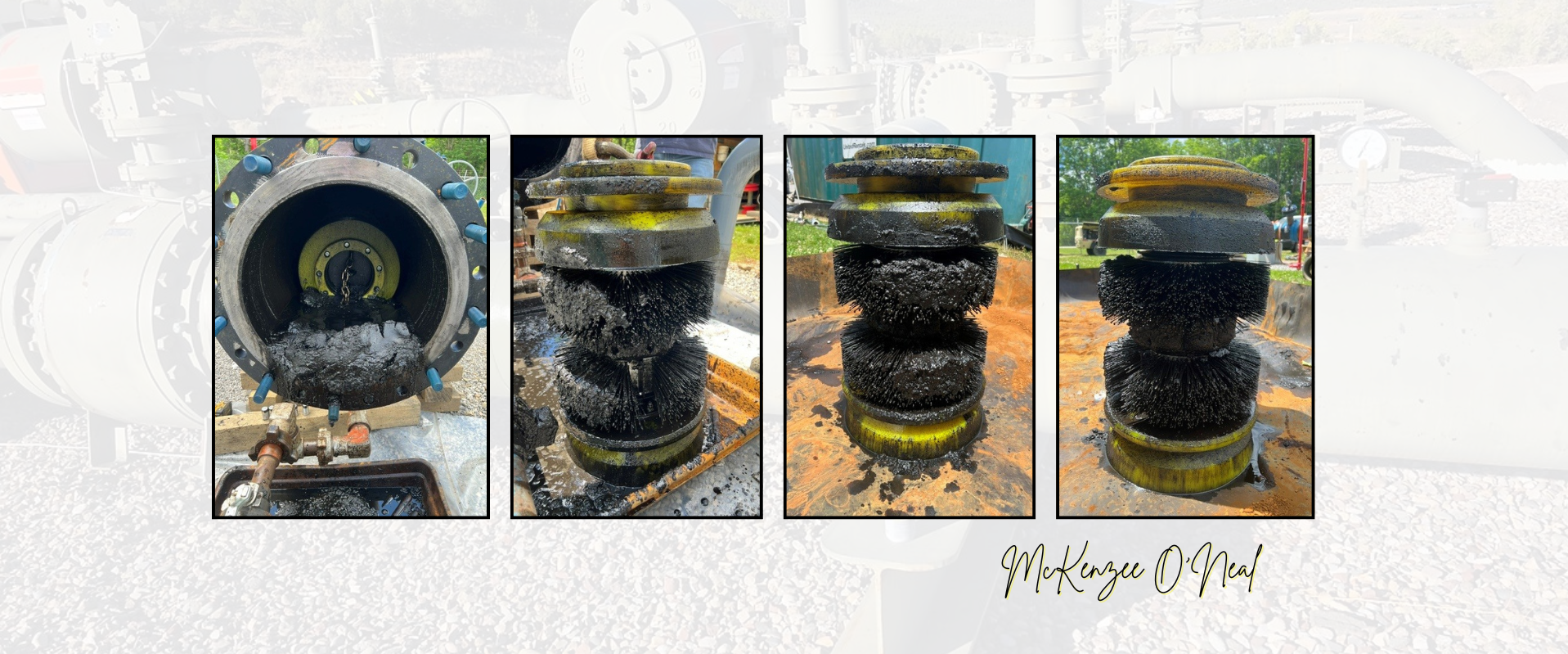
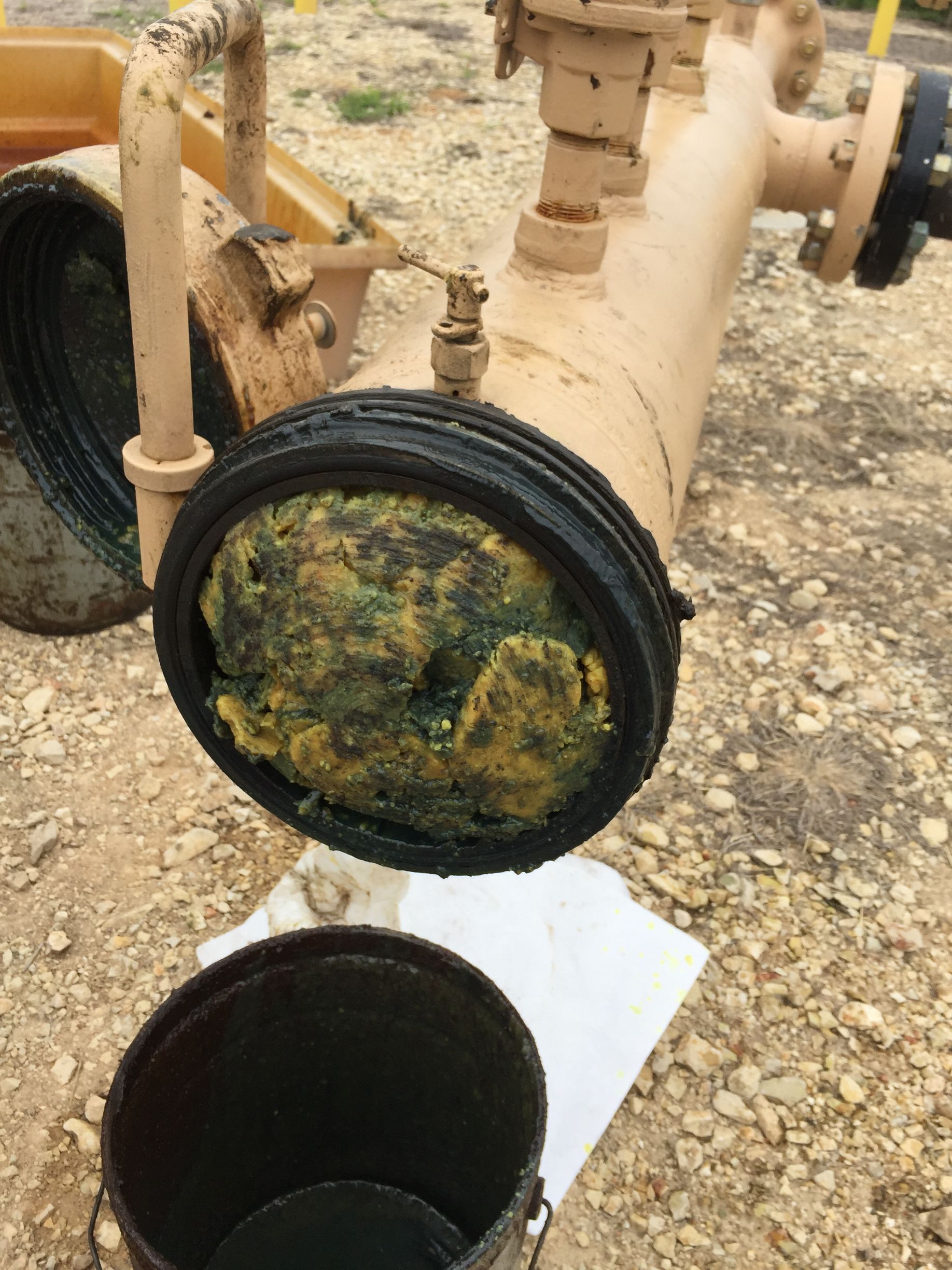
The amount and type of material recovered can inform planning for the next run. Operators may examine whether the debris contains paraffin, black powder, rust, mill scale, liquids, sand, construction material, or other contaminants.
2. More Aggressive Cleaning
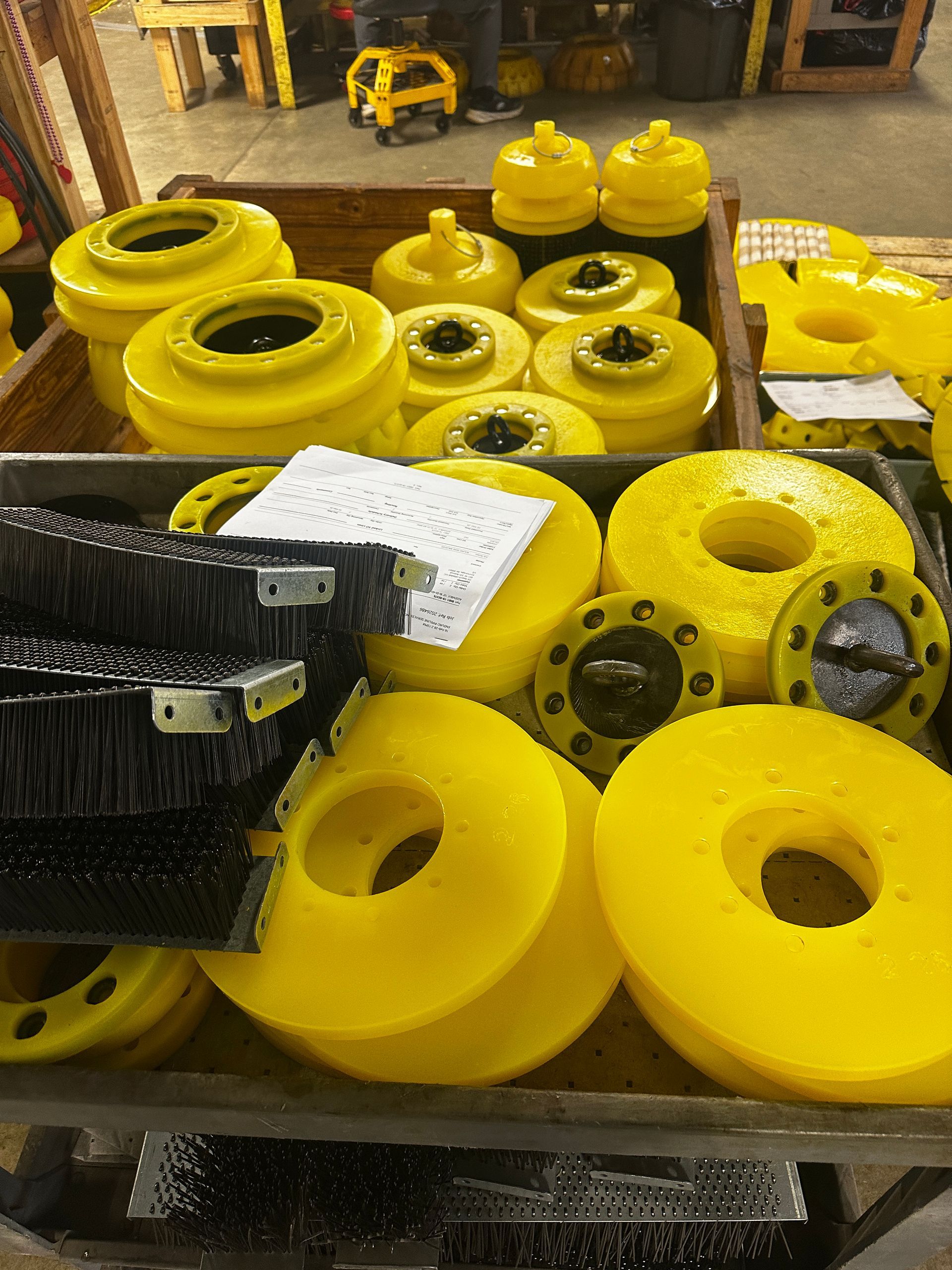
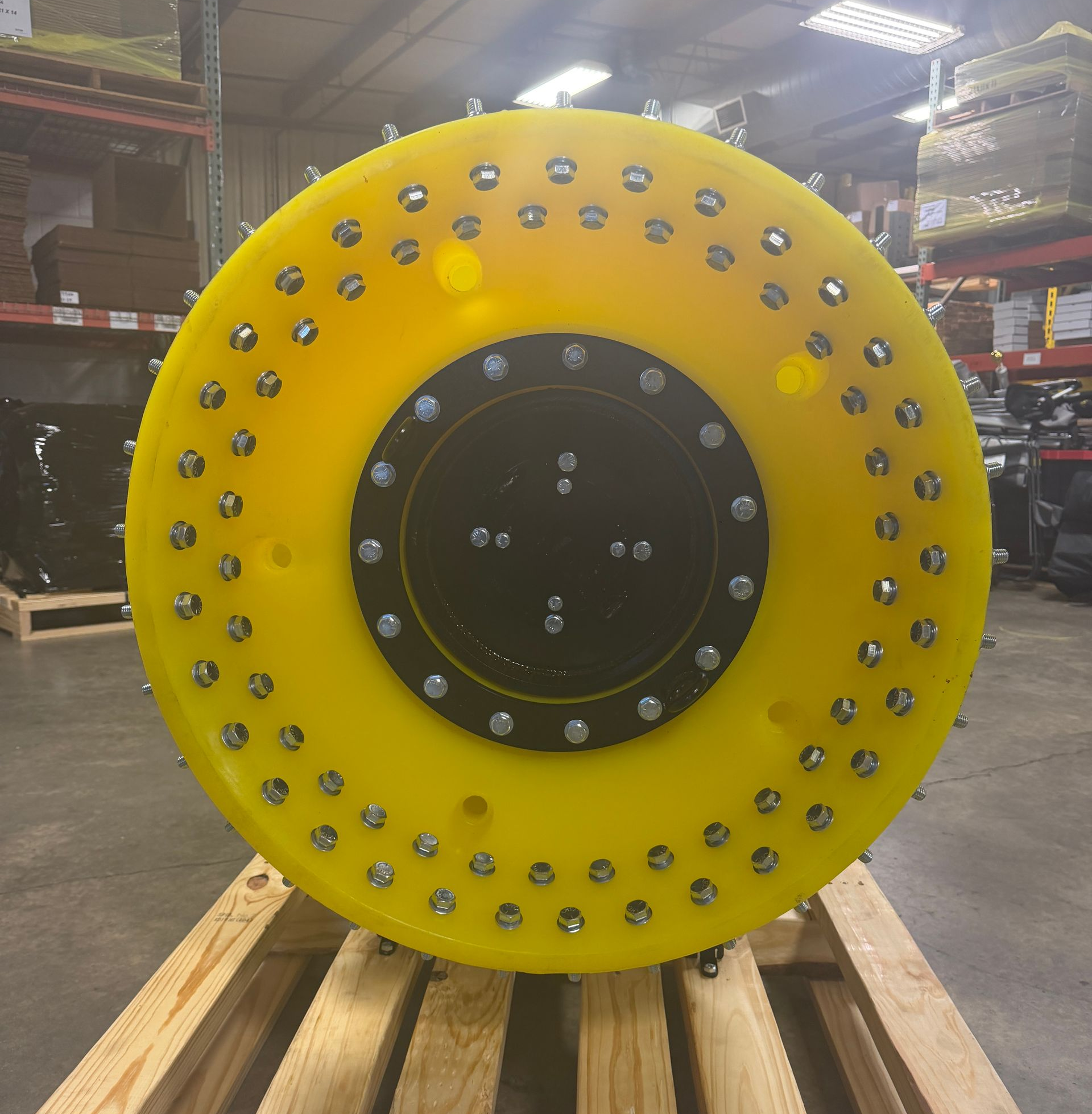
If heavier deposits remain, the next pig may include more aggressive cleaning components. Depending on the application, these could include cups, discs, brushes, scraper components, blades, or other specialized features.
Some deposits cannot—or should not—be removed in one pass. Multiple runs may be needed to gradually loosen and remove stubborn buildup while allowing the operator to monitor the volume of material being recovered.
3. Brush or Magnetic Cleaning
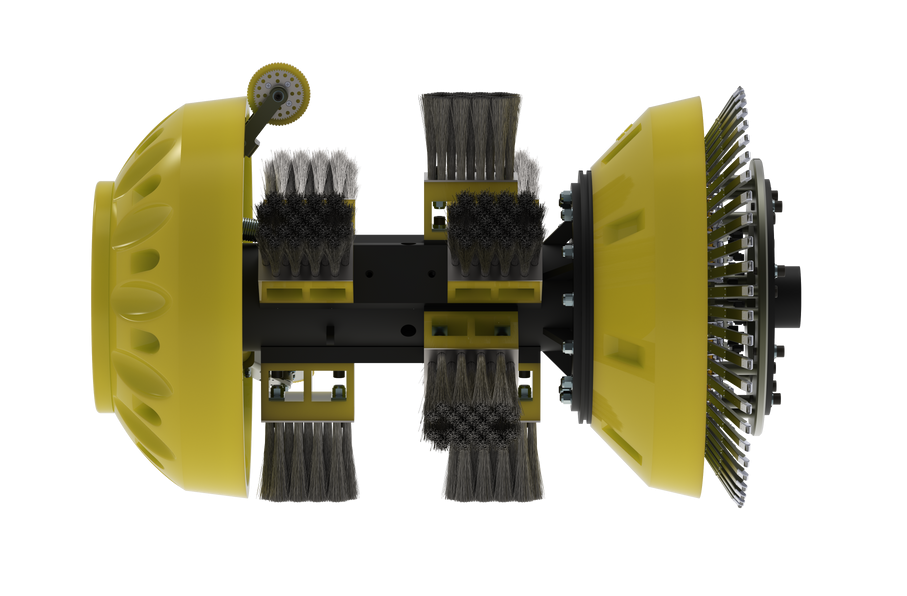
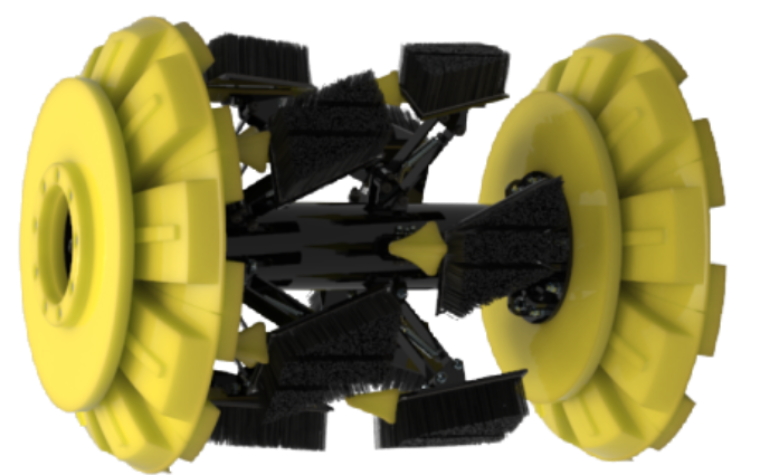
Brush-equipped pigs can help remove remaining material from the internal pipe wall. Magnetic cleaning pigs may also be used when ferrous debris is present.
Rare-earth magnets can collect materials such as black powder, mill scale, rust flakes, welding debris, and loose steel particles. However, magnets will not collect non-ferrous materials such as paraffin, wax, sand, or liquids. Those contaminants require other cleaning components or methods.
4. Additional Verification Runs
Once debris returns begin to decrease, operators may perform additional cleaning or verification runs. Operators use each run's results to decide whether the pipeline has met the cleaning objective or whether another pig configuration is needed.
When preparing for inline inspection, a gauge pig may also be used to identify restrictions, dents, or reductions in internal clearance before launching the inspection tool. A successful gauge run does not replace cleaning, but it can help confirm pipeline readiness.
5. Inline Inspection
Once the pipeline is properly cleaned and prepared, you can run an inline inspection tool with greater confidence.
A well-prepared pipeline helps reduce the risk of debris interfering with tool movement or sensor performance. It can also support more reliable inspection results and provide a clearer picture of pipeline condition.
This sequence is only an example. Not every pipeline will need every stage, and the order or pig configuration may change depending on the application.
What Should Be Evaluated After Each Run?
Instead of focusing only on the total number of runs, operators should evaluate what happened during each pass. That may include reviewing:
- The type and amount of debris recovered
- Whether debris returns are increasing or decreasing
- The condition of the cleaning pig after retrieval
- Wear or damage to cups, discs, brushes, or other components
- Differential pressure and run behavior
- The pipeline’s operating conditions
- The capacity of the receiver and debris-handling equipment
- Whether the cleaning objective has been achieved
This information helps determine whether the next run should use the same pig, a more aggressive configuration, a different cleaning component, or no additional run at all.
Let the Pipeline Determine the Number of Runs
For me, this has been one of the biggest takeaways from learning about pipeline cleaning. I started out looking for a simple number, but successful cleaning is not about completing a predetermined number of runs or checking a box.
It is about understanding the pipeline, evaluating results after each run, and adjusting the program based on what you recover.
How do you know whether to run the same cleaning pig again or change the configuration? The previous run should help guide that decision. Debris volume and type, the condition of the returned pig, and whether debris is declining between runs can all provide useful information about cleaning progress.
The cleaning objective matters, too. A pipeline being prepared for inline inspection may require a different level of cleanliness than one undergoing routine maintenance. Also consider pig speed, bypass, operating conditions, and receiver capacity before deciding whether to repeat a run or change the pig configuration.
Sometimes the right decision is to run the same pig again. In other situations, the results may indicate that it is appropriate to increase or decrease the aggressiveness of the cleaning configuration. The goal is not simply to make each run more aggressive—it is to use what the pipeline is telling you to determine the appropriate next step.
Every pipeline is different. That is why experience, careful monitoring, and good judgment matter when developing an effective
pipeline cleaning program.