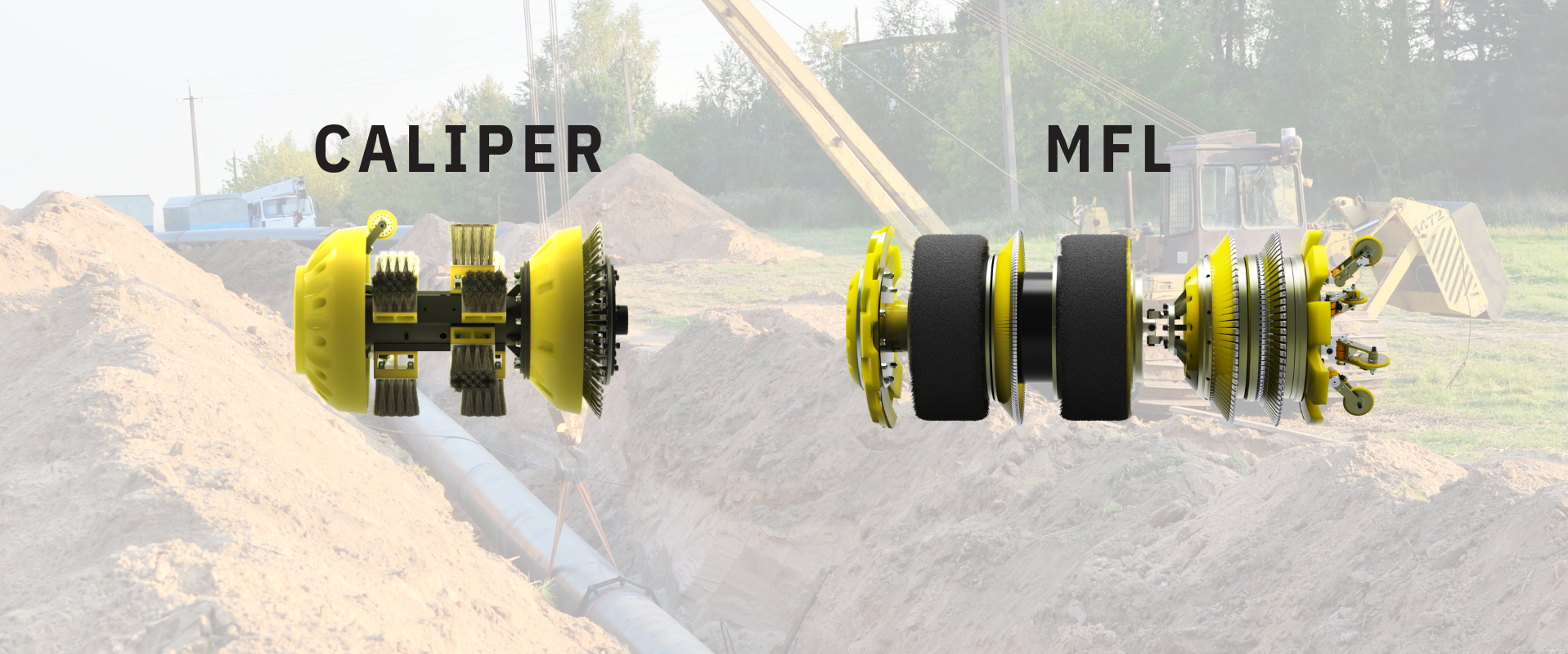
Caliper Inspection vs. MFL Inspection: What's the Difference?

Pipeline operators have access to a wide range of inline inspection technologies, each designed to identify specific pipeline conditions and integrity threats. Two of the most commonly used technologies are caliper inspections and Magnetic Flux Leakage (MFL) inspections.
While both technologies play important roles in pipeline integrity management, they are designed to detect different types of features and are often used together as part of a comprehensive inspection program.
FEATURES AT A GLANCE
Feature
Caliper Inspection
MFL Inspection
Detects Dents
Detects Buckles
Detects Metal Loss
Often Run Before MFL
Detects Ovality
Detects Corrosion
Detects Gouges
Pipeline Cleaning Required
New Paragraph
New Paragraph
New Paragraph
No
No
No
No
Yes
Yes
Limited
Limited
No
What Is a Caliper Inspection?
A caliper inspection measures the internal geometry of a pipeline. Using mechanical or electronic sensing technology, a caliper tool records changes in the pipe's shape and identifies geometric anomalies that may affect pipeline integrity or the passage of inspection tools.
Caliper inspections are commonly used to detect:
- Dents
- Ovality
- Wrinkles
- Buckles
- Mechanical damage
- Bends
- Geometric restrictions
- Changes in internal diameter
- Construction-related deformation
Caliper tools are often run during new pipeline commissioning, before inline inspection programs, or whenever pipeline deformation is suspected.
What Is an MFL Inspection?
Magnetic Flux Leakage (MFL) inspection is designed to identify metal loss and corrosion-related threats within a pipeline.
MFL tools magnetize the pipe wall and measure changes in the magnetic field caused by metal loss. These measurements allow analysts to identify areas where corrosion or wall loss may be present.
MFL inspections are commonly used to detect:
- Internal corrosion
- External corrosion
- Metal loss
- Pitting
- General wall thinning
- Corrosion growth
MFL technology provides critical information about pipeline wall condition and remaining wall thickness.
Caliper Inspection vs. MFL Inspection
Although both technologies are used during inline inspection programs, they serve different purposes.
Caliper Inspection
Caliper Inspection
MFL Inspection
Measures pipeline geometry
Detects dents and deformation
Identifies wrinkles and buckles
Evaluates ovality
Helps confirm tool passage
Focuses on geometric integrity
Measures metal loss
Detects corrosion and wall loss
Identifies pitting and corrosion growth
Evaluates remaining wall condition
Helps assess corrosion severity
Focuses on metal loss integrity
Simply put, a caliper tool evaluates the shape of the pipeline, while an MFL tool evaluates the condition of the pipe wall.
Why Many Operators Use Both Technologies
Pipeline integrity threats rarely occur in isolation.
A pipeline may contain:
- Corrosion
- Dents
- Mechanical damage
- Wrinkles
- Buckles
- Ovality
Using both caliper and MFL technologies provides operators with a more complete understanding of pipeline condition.
For example:
- A caliper inspection may identify a dent caused by third-party damage.
- An MFL inspection may determine whether metal loss is also present in the affected area.
Together, these technologies help operators make more informed integrity management decisions.
Why Pipeline Cleaning Matters Before Either Inspection
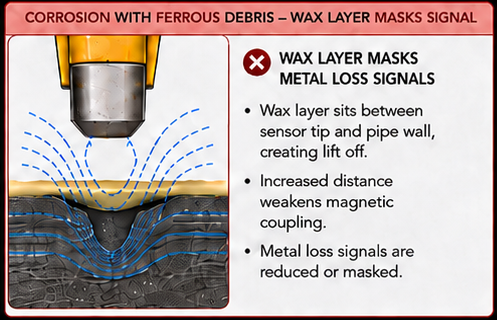
Regardless of the inspection technology being used, pipeline cleanliness plays a significant role in inspection success.
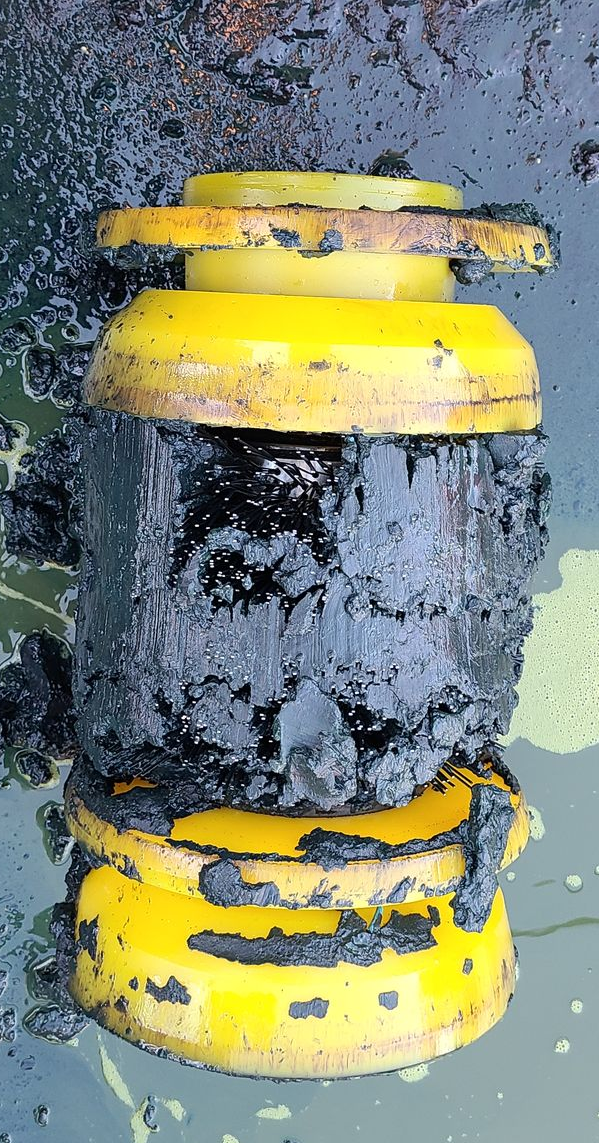
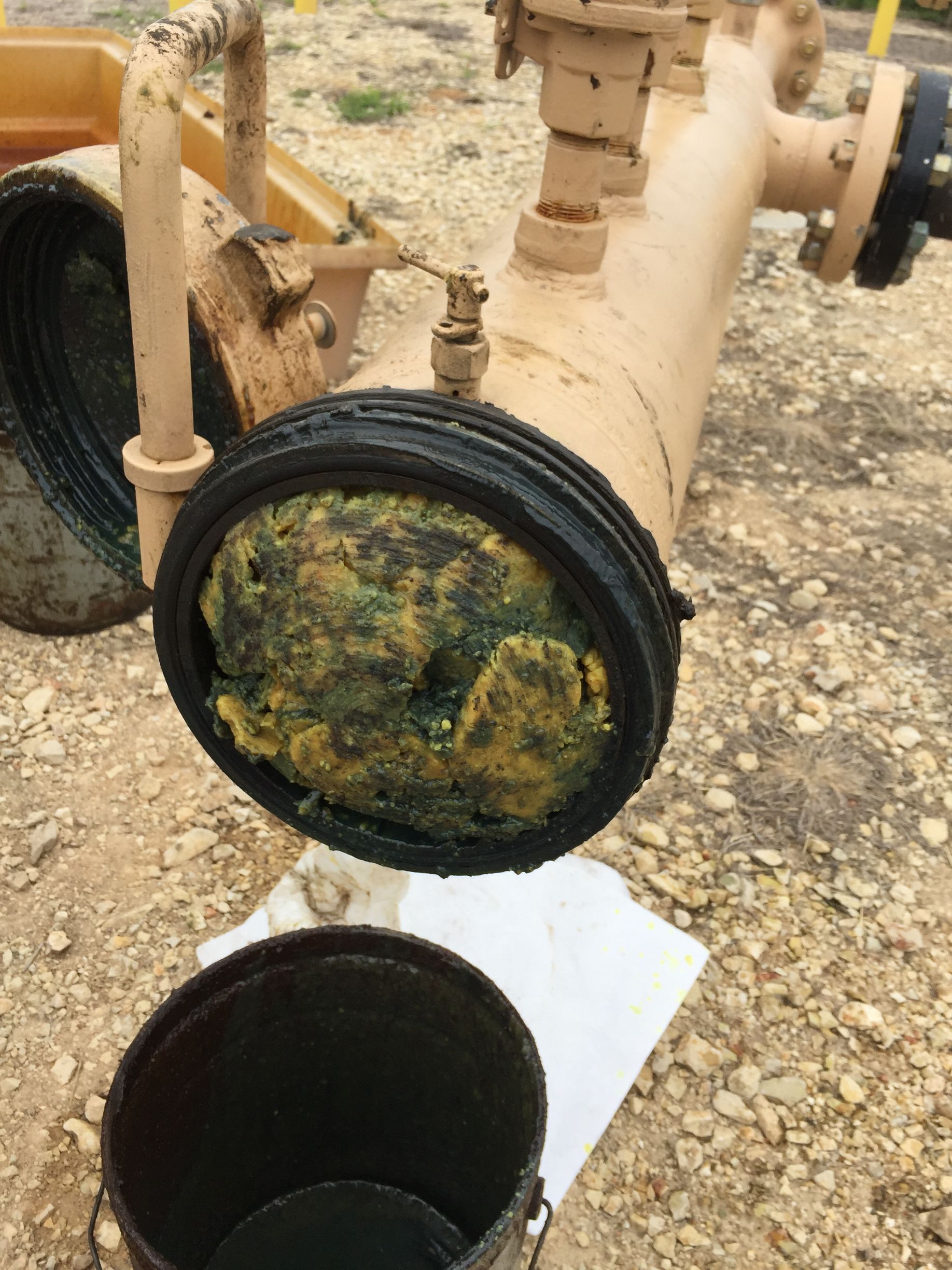
Debris, liquids, paraffin, mill scale, construction debris, and other contaminants can interfere with tool performance and impact inspection data quality.
Proper cleaning before a caliper or MFL inspection can help:
- Improve tool passage
- Reduce debris interference
- Improve data quality
- Reduce operational risk
- Support more reliable inspection results
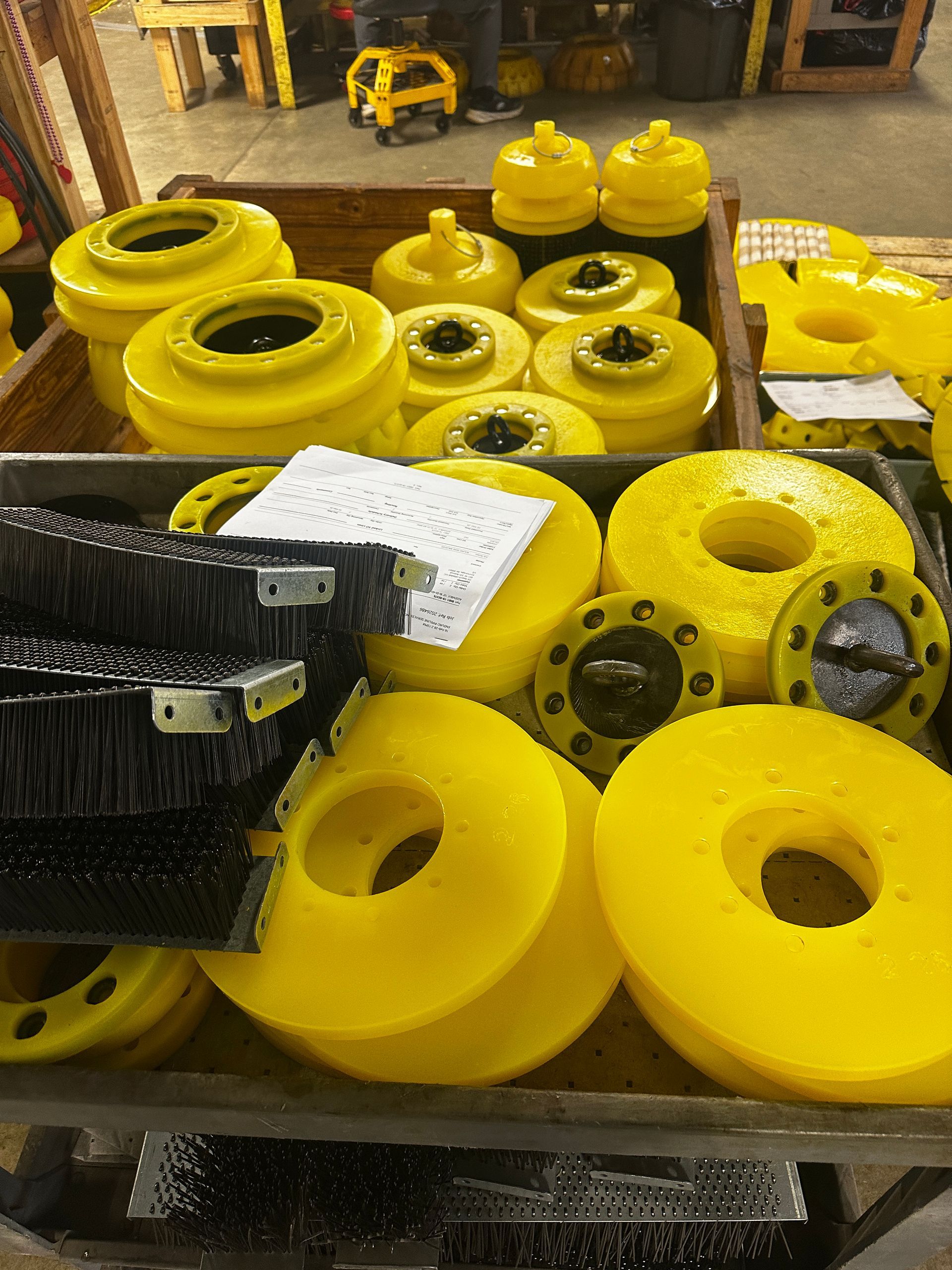
Many operators perform multiple cleaning runs before inspection activities to help ensure optimal tool performance.
Choosing the Right Inspection Technology
The appropriate inspection technology depends on the objectives of the inspection program.
If the goal is to identify dents, wrinkles, buckles, or geometric deformation, a caliper inspection may be appropriate.
If the goal is to assess corrosion, metal loss, or wall condition, an MFL inspection may be the preferred solution.
In many cases, operators use both technologies to obtain a more complete understanding of pipeline condition and support long-term integrity management programs.
Learn More
Enduro Pipeline Services supports operators with pipeline cleaning, caliper inspection technologies, MFL inspection solutions, pig tracking equipment, and inline inspection support services.
Whether you are preparing a new pipeline for commissioning, planning an integrity assessment, or evaluating inspection options, our team can help determine the right solution for your application.
Resources:
- Caliper inspection → https://www.enduropls.com/pipeline-caliper-tools
- DdL DW 2 → https://www.enduropls.com/caliper-ddl
- MFL inspection → https://www.enduropls.com/mfl-dfl
- Pipeline cleaning → https://www.enduropls.com/pipeline-cleaning-for-ili
- Inline inspection support services → https://www.enduropls.com/pipeline-inline-inspection-services
Need Help Selecting the Right Inspection Technology?
Whether you're evaluating pipeline geometry, investigating metal loss, preparing for inline inspection, or planning a complete integrity assessment, Enduro's team can help determine the right inspection strategy for your pipeline.
Request a Quote
https://www.enduropls.com/quick-quotepage
Schedule a Technical Discussion
https://www.enduropls.com/schedule-a-tour-or-class
This is paragraph text. Click it or hit the Manage Text button to change the font, color, size, format, and more. To set up site-wide paragraph and title styles, go to Site Theme.
FREQUENTLY ASKED QUESTIONS
Which inspection should be performed first, caliper or MFL?
Many operators perform a caliper inspection before an MFL inspection to identify geometric restrictions that could affect tool passage or inspection performance.
Can MFL detect dents?
MFL tools are designed primarily to detect metal loss. While some dents may appear in MFL data, caliper tools provide significantly better characterization of dents, buckles, wrinkles, and ovality.
Why is pipeline cleaning important before inspection?
Debris, liquids, wax, scale, and construction residue can interfere with tool performance and data quality. Proper cleaning helps ensure accurate inspection results.
Can caliper and MFL tools be combined?
Some inspection programs use multiple technologies to evaluate both pipeline geometry and pipe wall condition. The appropriate approach depends on pipeline characteristics and integrity objectives.
This is paragraph text. Click it or hit the Manage Text button to change the font, color, size, format, and more. To set up site-wide paragraph and title styles, go to Site Theme.