
Got questions? Were always here to assist.
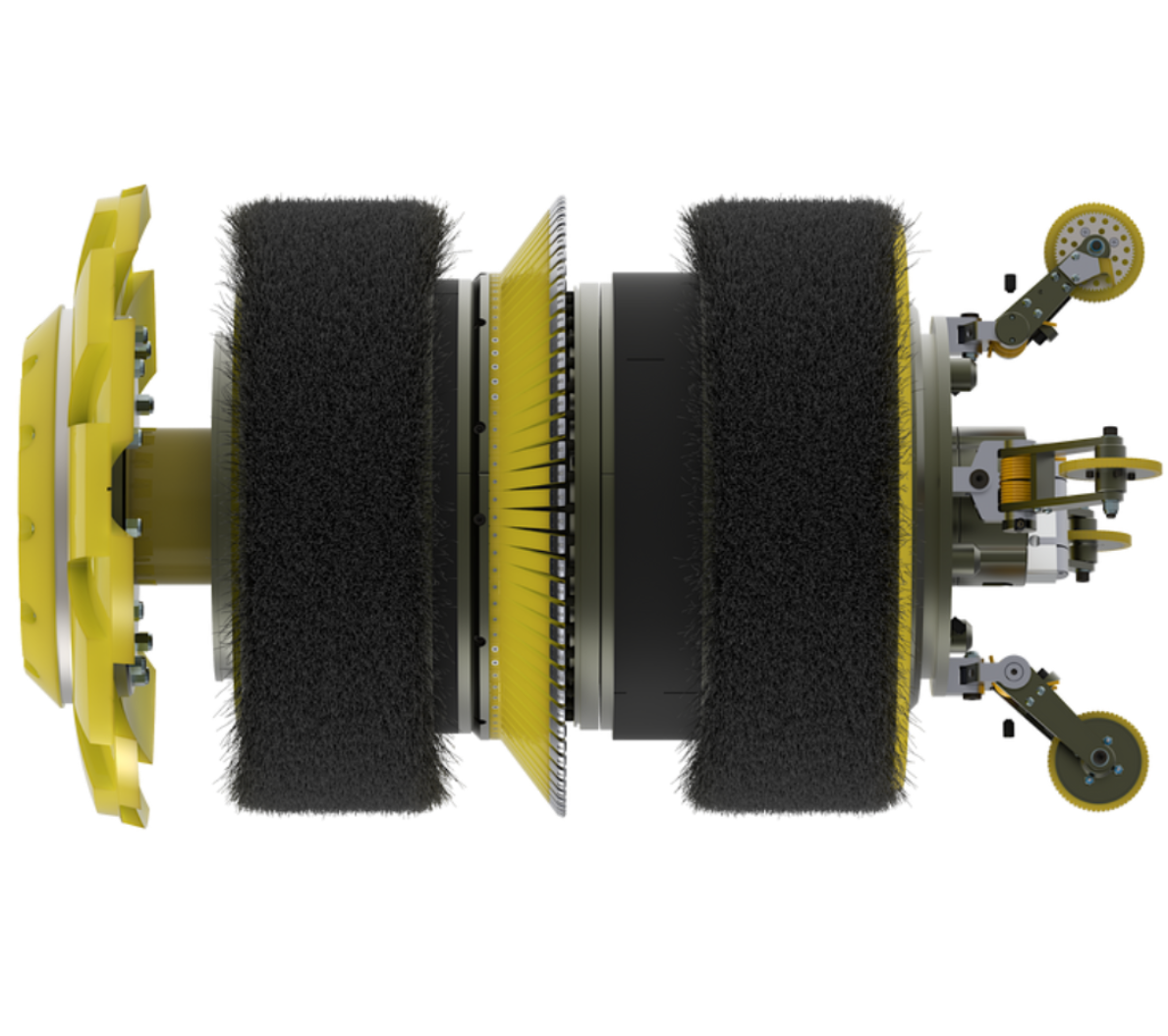
What Happens If a Pipeline Is Not Clean Enough for ILI?
Inline inspection tools are designed to collect accurate data about the condition of a pipeline — but they can only perform properly if the line is adequately cleaned before inspection.
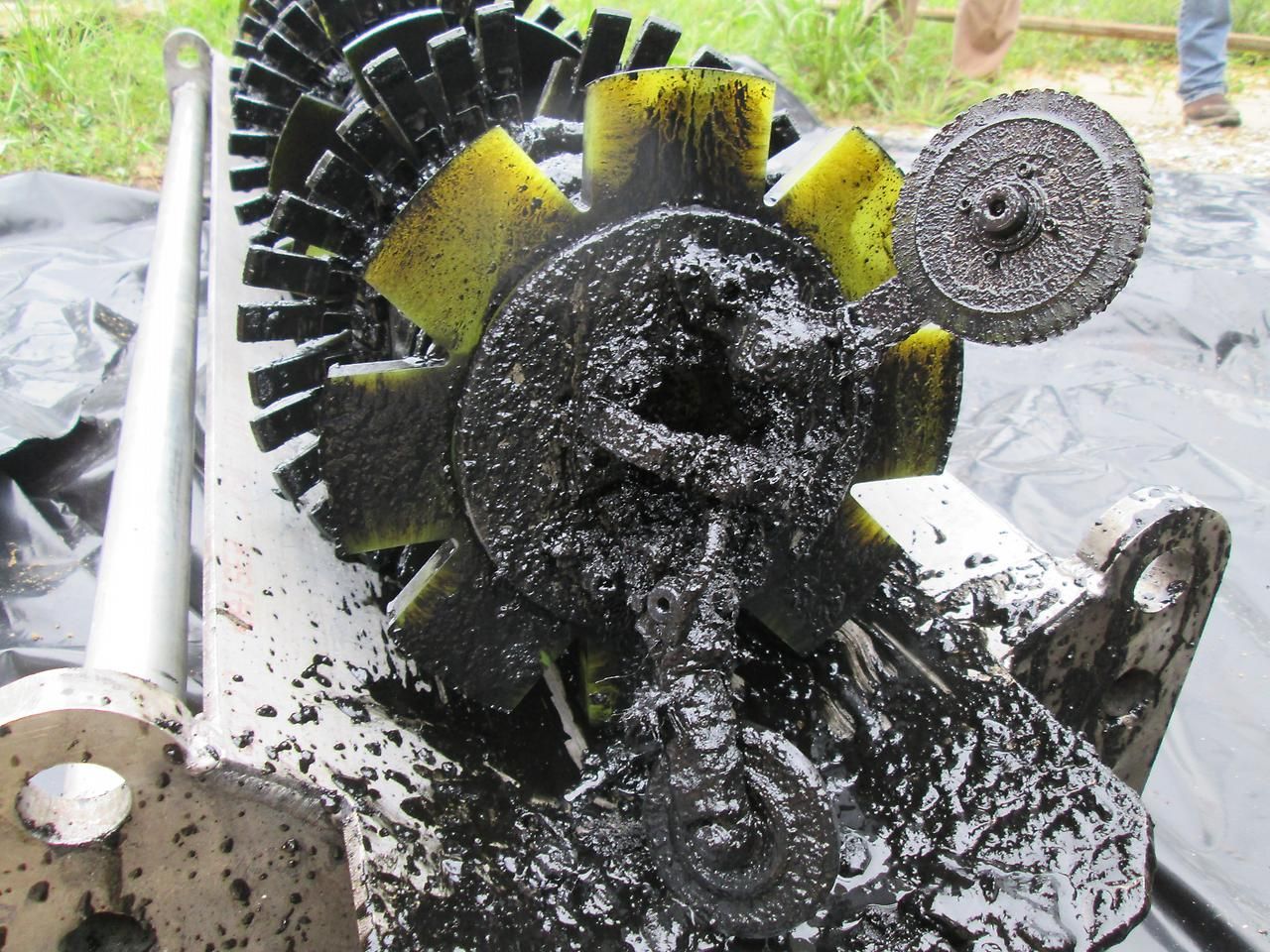
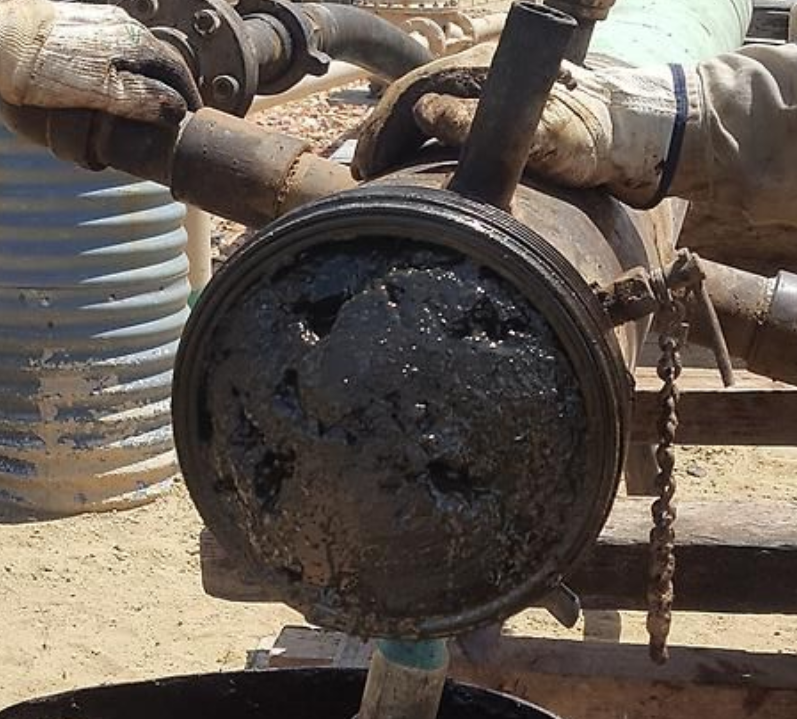
Excess debris, wax, scale, liquids, black powder, or construction residue can interfere with tool performance, damage sensors, restrict movement, and reduce data quality.
Proper pipeline cleaning before ILI is one of the most important steps in a successful inspection program.
At Enduro, we help operators prepare pipelines for inspection using custom cleaning pigs, caliper tools, debris management strategies, and inspection support tools designed for real-world pipeline conditions.
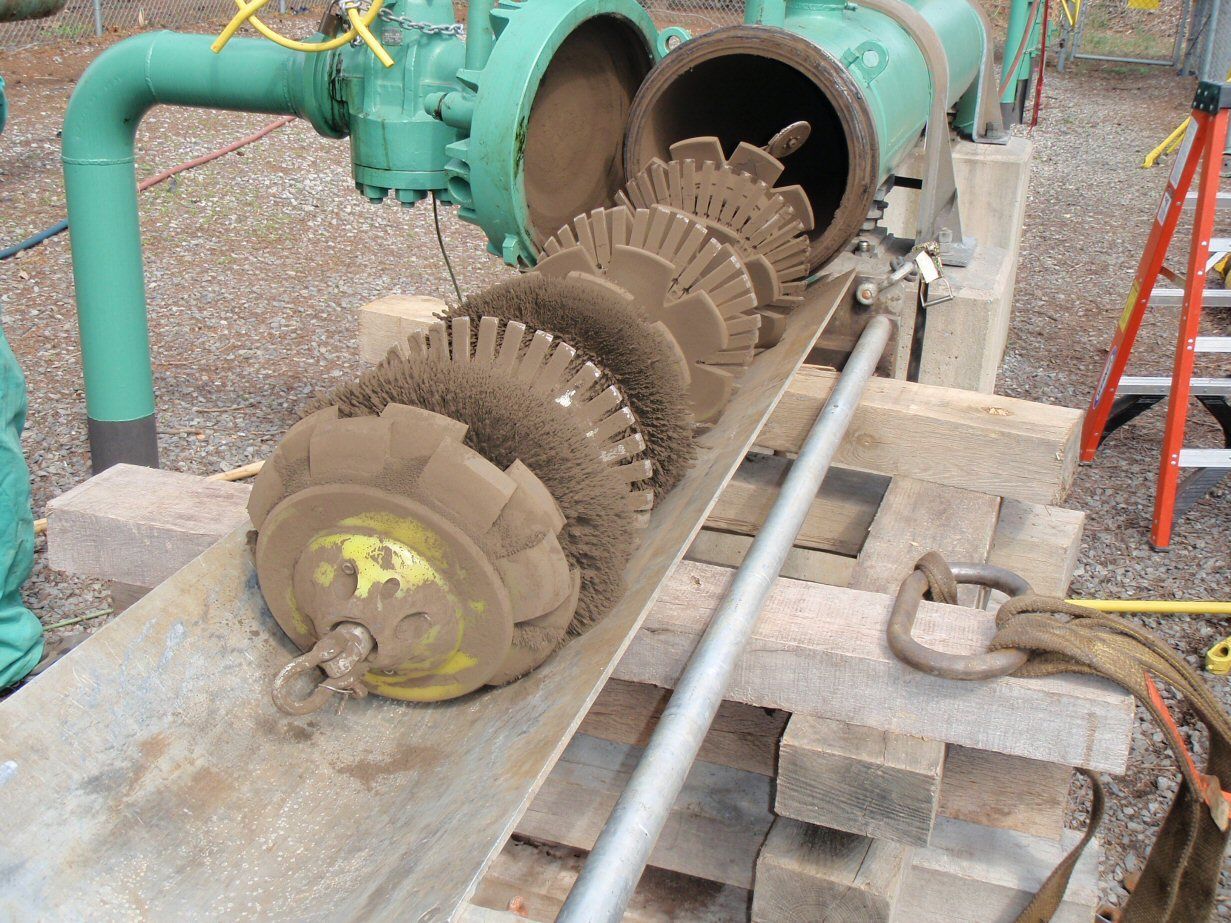
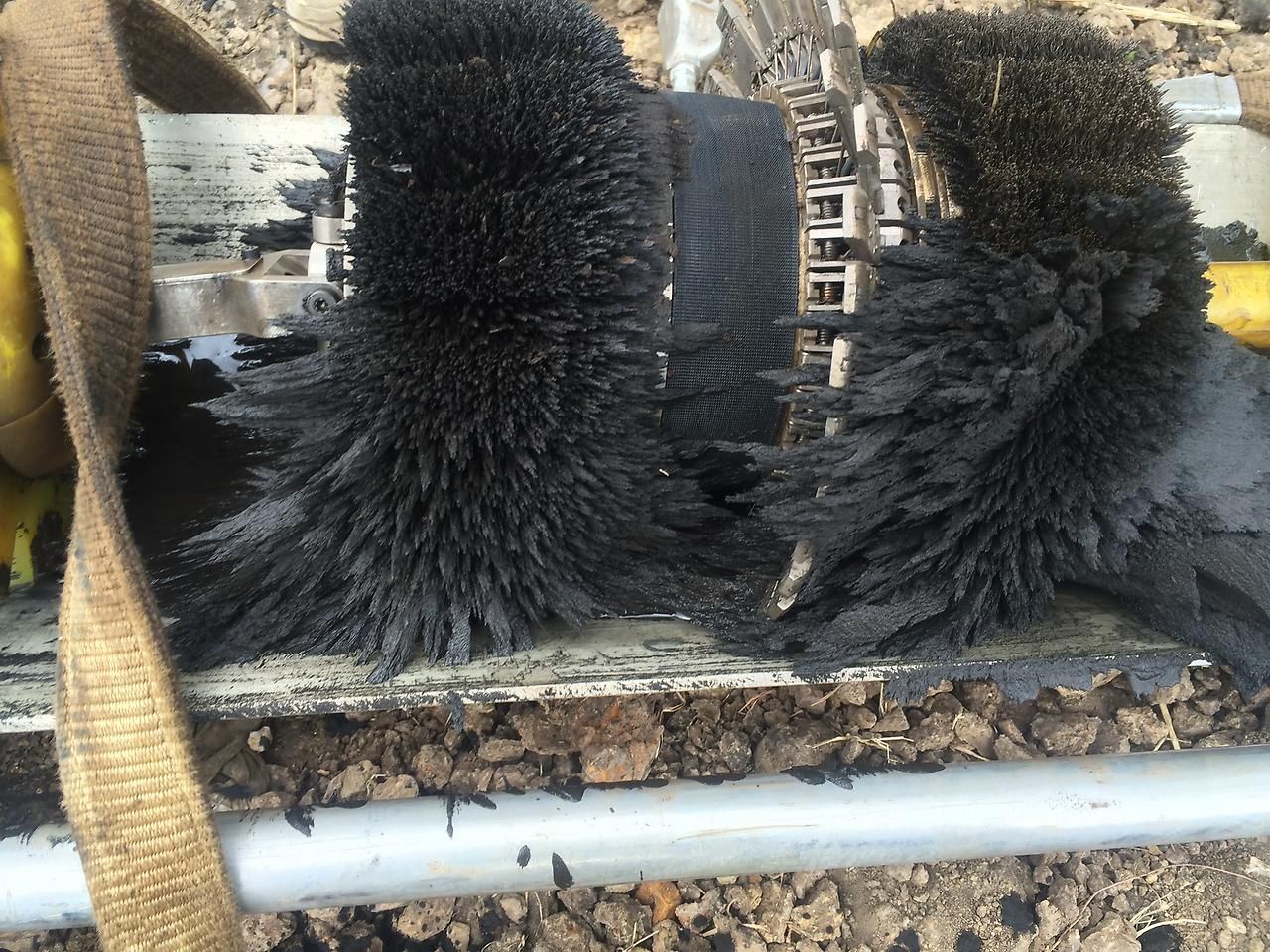
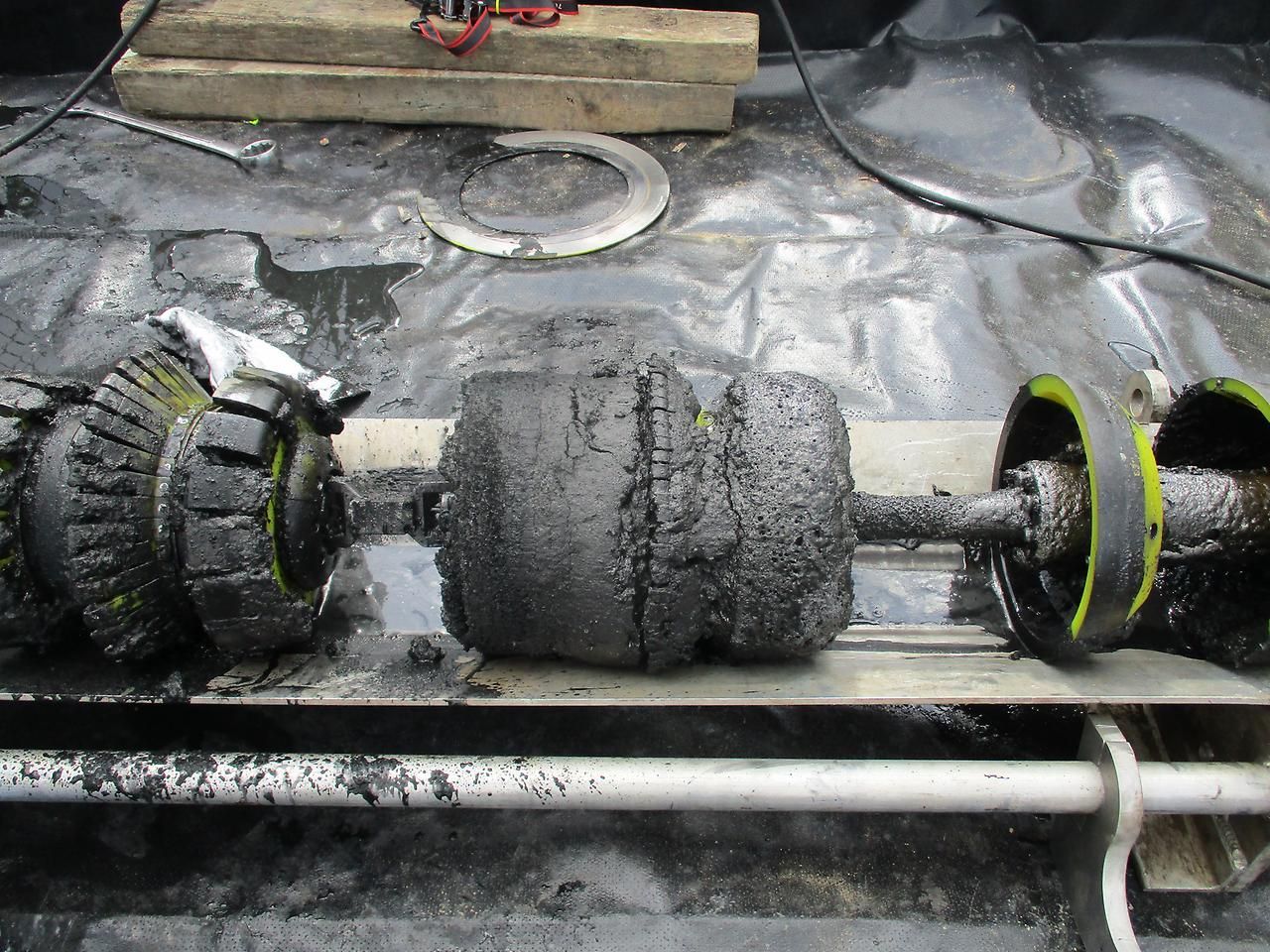
Why Pipeline Cleaning Matters Before ILI
Inline inspection tools travel through pipelines while collecting highly detailed information about pipeline condition. These tools rely on stable movement, proper speed control, and consistent contact with the pipe wall to gather reliable inspection data.
When debris remains inside the pipeline, several problems can occur:
- Sensors can lose proper contact with the pipe wall
- Heavy debris can damage brushes, sensors, or electronics
- Debris buildup can affect tool speed and data collection
- Wax or sludge can interfere with magnetic readings
- Caliper arms may not extend correctly
- Metal debris can create false indications
- Severe buildup can cause tools to become stuck
Even a high-end inspection tool cannot compensate for a poorly prepared pipeline.
Cleaning helps prepare a pipeline for inspection, but geometry inspections identify dents, restrictions, and deformation that could affect tool passage or inspection planning.
Common Debris Found Before Inspection
Different pipelines create different cleaning challenges. Some systems contain soft buildup, while others may contain extremely abrasive debris or heavy contamination.
Common pipeline debris before ILI includes:
Wax
Wax buildup can restrict the flow area and interfere with tool movement.
Black Powder
Black powder can accumulate in gas pipelines and pose significant inspection challenges if left unaddressed.
Mill Scale
Construction debris and mill scale are common in newly constructed pipelines.
Liquids and Sludge
Liquids can affect tool speed and debris transport during cleaning runs.
Rust and Corrosion Debris
Loose corrosion products can damage components and reduce data quality.
Metal Debris
Metal shavings and ferrous debris can interfere with magnetic inspection technologies.
What Can Happen If the Pipeline Is Not Properly Cleaned?
Insufficient cleaning before inspection can lead to operational problems, unreliable inspection data, and costly delays.
Poor Inspection Data
Debris can prevent inspection sensors from properly interacting with the pipeline wall, reducing data quality and confidence.
False Indications
Metal debris and buildup can create misleading inspection signals that require additional analysis or verification.
Tool Damage
Heavy debris can damage brushes, odometer wheels, caliper arms, seals, or sensitive electronics.
Stuck Tools
Severe debris accumulation can increase the risk of a tool becoming lodged inside the pipeline.
Inspection Reruns
If data quality is compromised, operators may need to repeat cleaning operations and rerun inspection tools — increasing downtime and project costs.
Reduced Confidence in Results
Poor cleaning can reduce overall confidence in the inspection process and make integrity decisions more difficult.
How Operators Prepare Pipelines for ILI
Most successful inspection programs use multiple cleaning runs before inspection tools enter the line.
Preparation strategies may include:
- Progressive cleaning pig programs
- Magnetic-equipped cleaning pigs
- Gauging pigs
- Caliper tools
- Bidirectional cleaning pigs
- Brush cleaning pigs
- Debris monitoring
- Speed control strategies
- Batch separation
- Tracking and confirmation tools
The exact cleaning program depends on:
- pipeline product
- line condition
- debris type
- pipeline geometry
- flow conditions
- inspection technology being used
No two pipelines are exactly alike.
Why Magnets Matter During Pipeline Cleaning
Magnets play an important role in many pipeline cleaning programs.
Magnetic-equipped cleaning pigs can help capture ferrous debris, metal shavings, mill scale, and black powder before inspection tools enter the line.
This helps operators:
- better understand pipeline cleanliness
- reduce inspection interference
- monitor debris levels between runs
- improve inspection preparation
In many cases, magnets provide valuable insight into how clean the pipeline actually is before ILI begins.
Pipeline Cleaning Pig Comparison Guide
What inspection technology is best for gas pipelines?
There is no single inspection technology that is best for every gas pipeline. The appropriate inspection tool depends on the inspection objective, pipeline conditions, and the type of anomalies being evaluated. Caliper tools evaluate geometry, while MFL tools detect metal loss.
Real-World Pipeline Cleaning Challenges
Some pipelines clean easily.
Others require multiple cleaning runs, specialized pig designs, magnetic debris collection, bypass control, or custom solutions designed specifically for the conditions inside the line.
Older pipelines, low-flow systems, construction projects, and heavily contaminated lines often require a more aggressive cleaning approach before inspection.
This is why many operators use customized cleaning pig programs instead of relying on generic off-the-shelf tools.
At Enduro, we regularly work with operators to design cleaning pigs specifically for:
- heavy debris
- difficult geometry
- diameter transitions
- aggressive cleaning applications
- inspection preparation programs
Preparing for an Inspection Run?
Enduro Pipeline Services designs and manufactures pipeline-cleaning pigs, caliper tools, and inspection-support equipment for demanding pipeline conditions.
Whether you are preparing for MFL, DFL, caliper, or geometry inspection, our team can help you develop a cleaning approach tailored to your pipeline system.
Improve your understanding of pipeline cleaning, inline inspection preparation, and inspection data quality.
Recommended Resources
Pipeline Cleaning Pigs
Learn about the different cleaning pig designs used to remove debris, paraffin, liquids, and construction debris before inspection.
Link: https://www.enduropls.com/pipeline-cleaning-pigs
Dual Diameter Cleaning Pigs
Designed for pipelines that transition between nominal diameters while maintaining cleaning performance.
Link: https://www.enduropls.com/pipeline-cleaning-pigs/dual-diameter-cleaning-pigs
Dynamic Speed Control (DSC 2.0)
Control inspection tool speed in high-flow gas pipelines without reducing throughput.
Link: https://www.enduropls.com/dsc-2-0
Download the White Paper
Learn how DSC technology improves data quality and operational efficiency in high-flow gas pipelines.
FREQUENTLY ASKED QUESTIONS
Can a dirty pipeline affect ILI results?
Yes. Excess debris, wax, black powder, liquids, or metal contamination can interfere with tool performance and reduce inspection data quality.
Why are cleaning pigs used before inline inspection?
Cleaning pigs help remove debris and buildup that could interfere with inspection tools or damage sensitive components.
What type of debris can affect MFL inspections?
Ferrous debris, mill scale, black powder, and metal contamination can interfere with magnetic inspection technologies if not properly removed.
How many cleaning runs are typically performed before ILI?
The number of cleaning runs depends on pipeline condition, debris levels, flow characteristics, and inspection requirements. Some pipelines require multiple progressive cleaning runs before inspection.