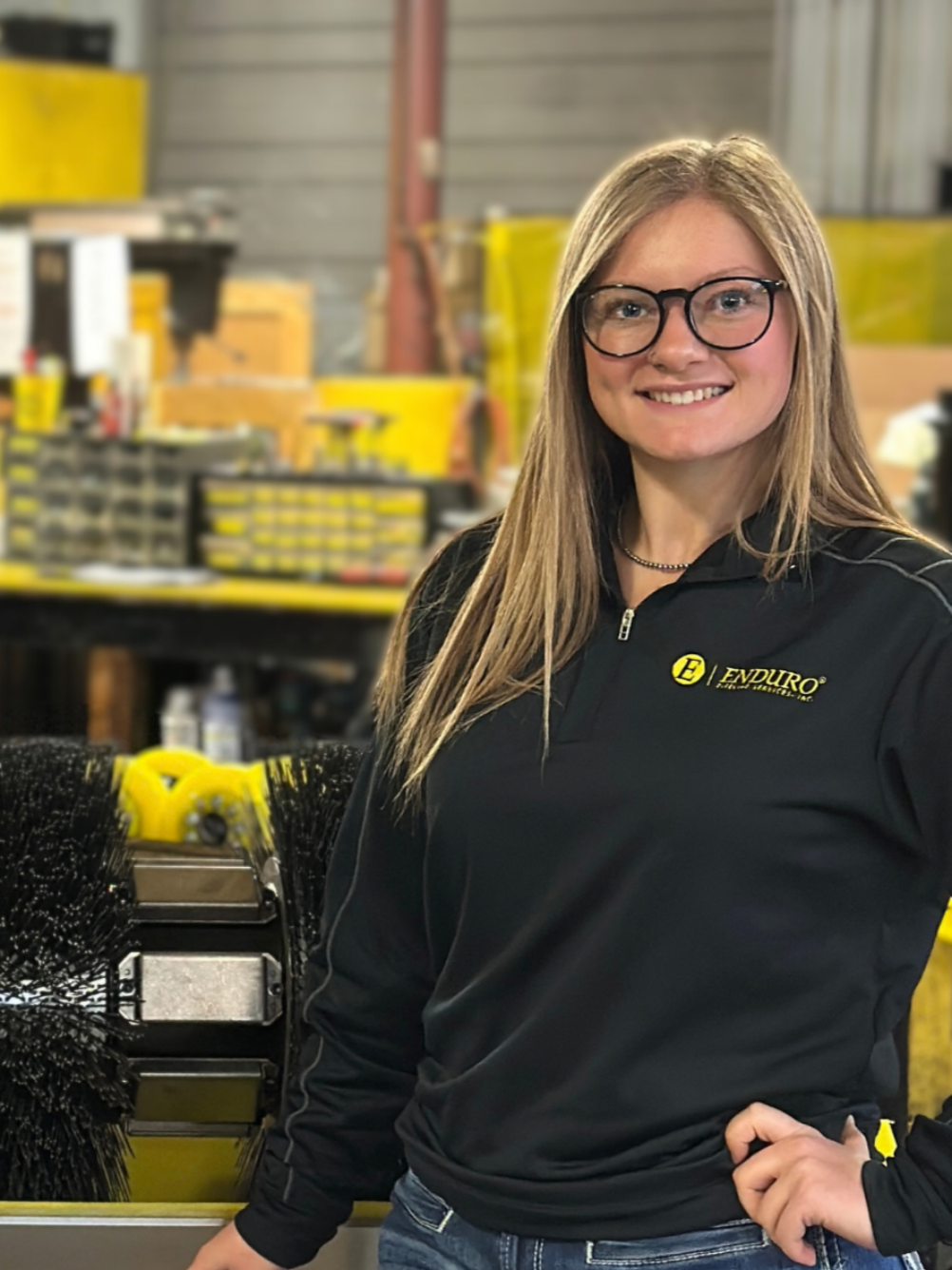
When I first started at Enduro, I knew almost nothing about pipeline cleaning pigs.
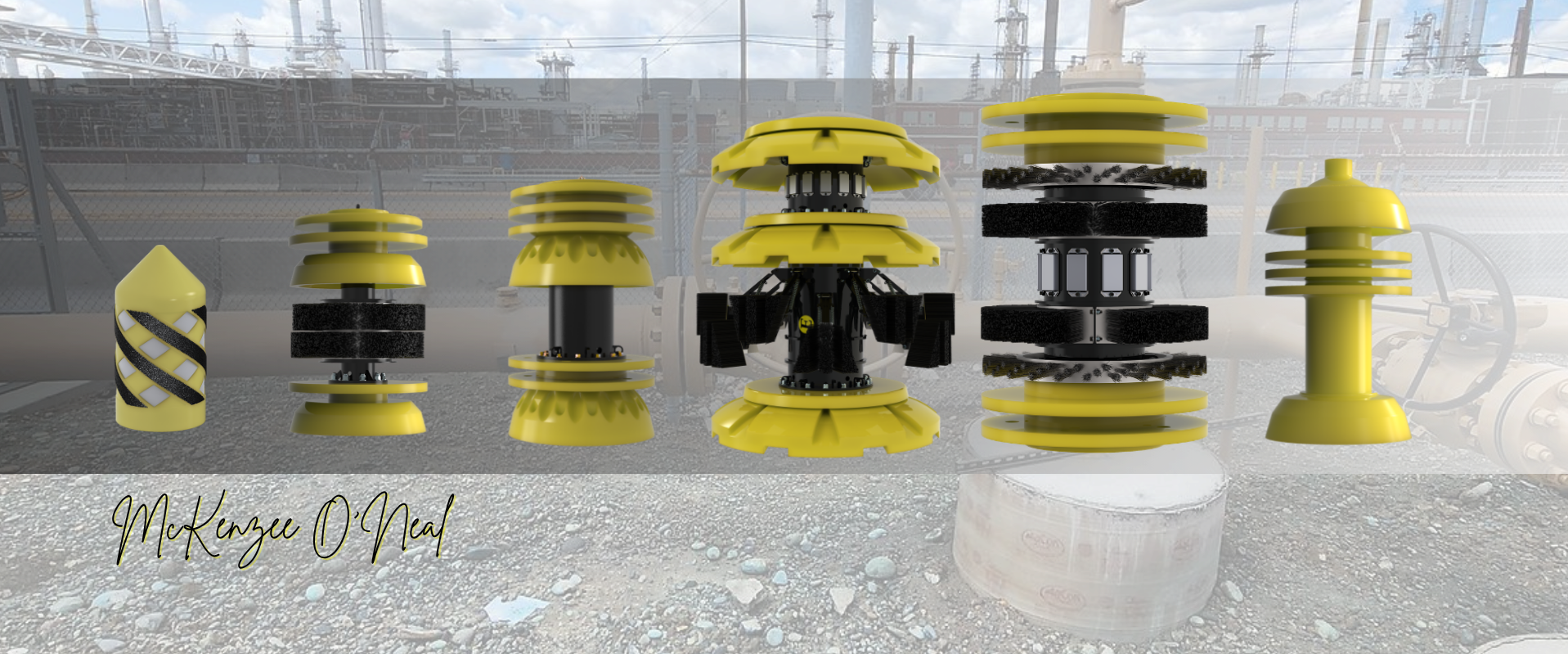
Then I moved into the sales side of the business and started seeing all the different types we make. I remember thinking, why are there so many different kinds? And what makes them so different?
As I've learned more, I've realized there's a reason for all the different designs. Different pipelines have different needs, and one pig won't fit every situation.
What Is a Pipeline Cleaning Pig?
A pipeline cleaning pig travels through a pipeline to remove debris, buildup, and liquids. Depending on its design, it can also help separate products or prepare a pipeline for inline inspection.
The important thing to understand is that not every pipeline needs the same kind of cleaning. Some might have loose debris or liquids to remove, while others have stubborn buildup attached to the pipe wall.
That's why there are so many different types of cleaning pigs. Their designs and components depend on what they need to accomplish.
Foam Pigs: A Flexible Cleaning Option
Foam pigs are made from flexible foam that can compress and move through bends and certain changes in a pipeline.
Depending on their design, they can be used for light cleaning, removing liquids, drying, and picking up loose debris.
But even foam pigs aren't all the same. Some have coatings or additional features that provide more wiping or cleaning action.
I've learned that even small differences in a pig's design can change what it's suited to do.
If you're wondering how they compare with other designs, Enduro has a helpful resource explaining
foam vs. urethane cleaning pigs.
Urethane Pigs: Cups, Discs, and Different Designs
Urethane pigs use polyurethane components that can provide sealing, wiping, and durability.
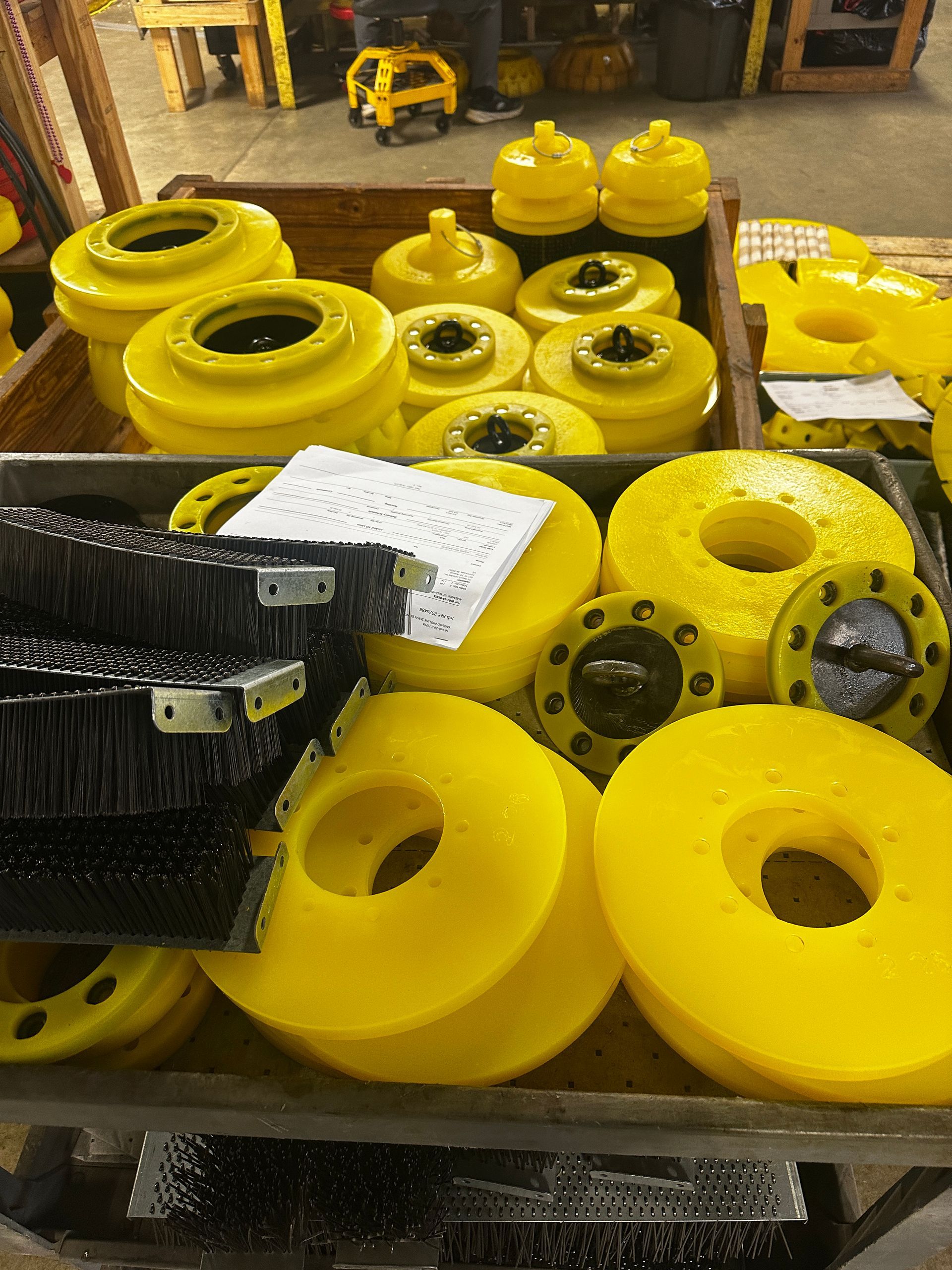
Two components you'll often see are cups and discs. Cups help seal against the pipe wall so pressure can move the pig forward, while discs can provide sealing and wiping action. Different combinations are used depending on the application.
Some pigs can also incorporate brushes, magnets, or other features to address specific cleaning needs.
The more I've learned, the more I've realized that it's not just about what a pig is made of. Its configuration matters, too.
Enduro's
cleaning pig comparison guide explains more about different designs and their applications.
Steel-Mandrel Pigs: Built Around a Steel Body
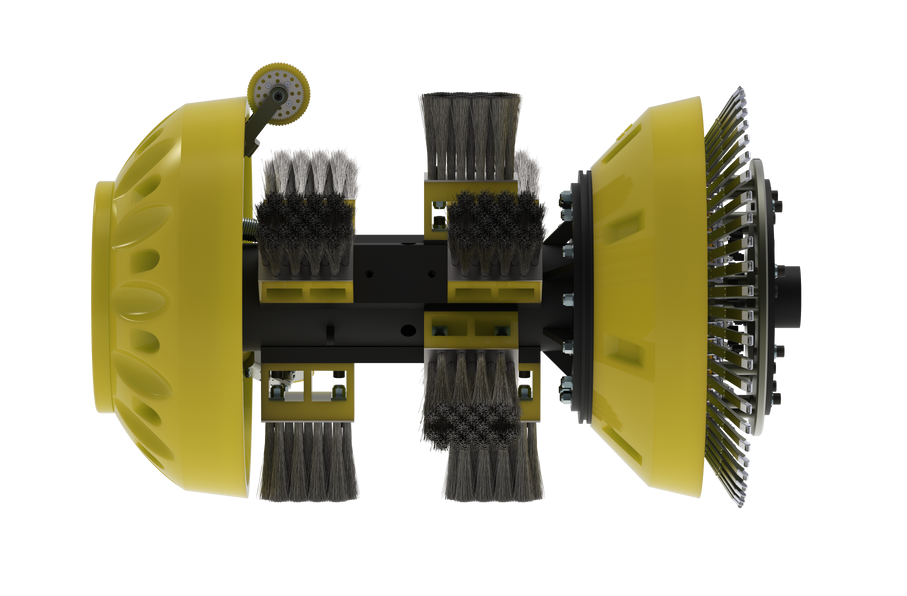
A steel-mandrel pig is built around a steel body that supports cleaning components such as cups, discs, brushes, or magnets.
These pigs can be configured for different cleaning applications, and some designs let you replace or change components of a pig's body. You can also combine brushes as needed.
Seeing the different configurations at Enduro helped me understand that the body of a pig is only part of the story. What you put on it matters, too.
One thing that initially confused me was that these categories can overlap. Foam, urethane, and steel-mandrel describe how a pig is constructed, while terms like brush pig and magnetic pig describe cleaning features.
For example, a steel-mandrel pig can also be a brush pig, a magnetic pig, or both.
Once I understood that, all the different designs started making a lot more sense.
Brush Pigs: When You Need More Cleaning Action
Sometimes, wiping the inside of a pipeline isn't enough. Certain deposits need additional mechanical cleaning to loosen them from the pipe wall.
Brush pigs use brushes to help remove material such as rust, mill scale, and other deposits. You can also combine brushes with other components, depending on the application.
The goal isn't necessarily to use the most aggressive pig. It's to find the right cleaning action for the job.
If you'd like to learn more, Enduro explains how
brush cleaning pigs work and when to use them.
Magnetic Pigs: Picking Up Metal Debris
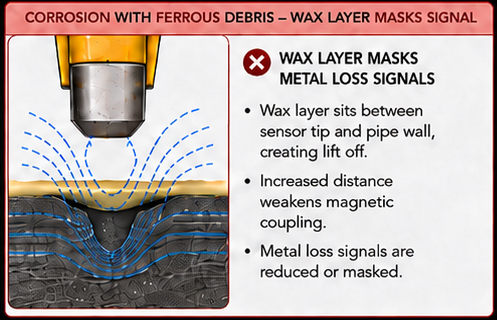
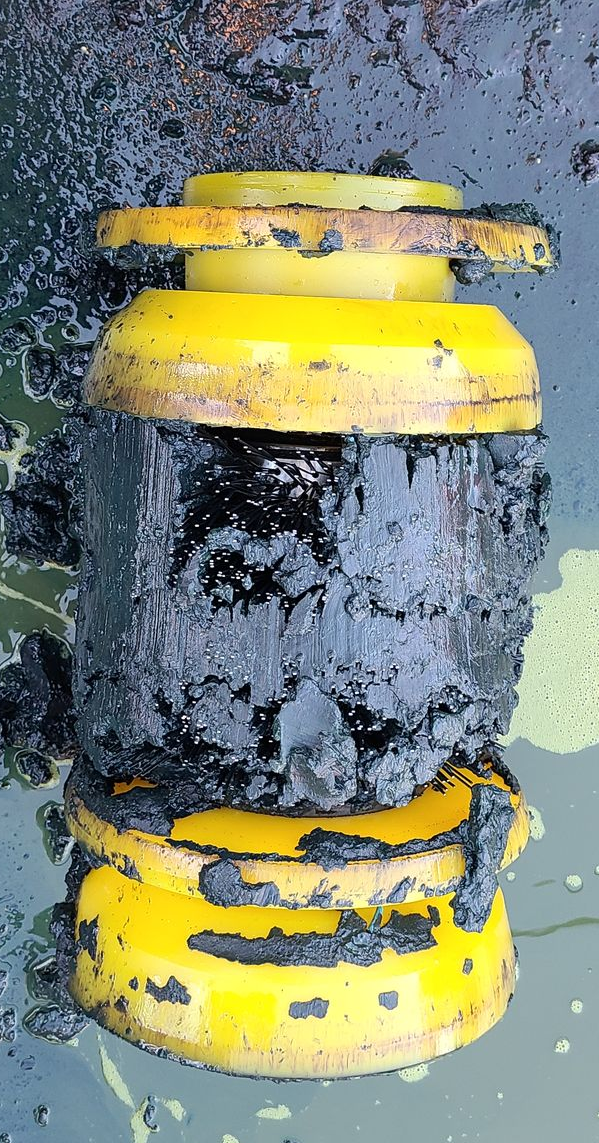
Magnetic pigs use magnets to collect ferrous debris, meaning material containing iron that is attracted to a magnet.
This can include certain metal particles and mill scale. However, magnets won't collect every type of pipeline contaminant.
Magnets can also be combined with brushes, cups, or discs, allowing a pig to perform more than one function.
It's another good example of why different cleaning pigs are designed for different purposes.
You can learn more about
magnetic cleaning pigs and ferrous debris removal on Enduro's website.
How Do You Know Which Cleaning Pig to Use?
Understanding what a pig does is one thing. Knowing which pig is best for a particular pipeline is another.
I'm still learning about that side of things myself, and I've realized there are several things to consider:
- What needs to be removed? Loose debris, liquids, rust, and stubborn buildup can require different cleaning approaches.
- What is the pipeline like? Diameter matters, but so do bends, valves, diameter changes, and other restrictions.
- What are the operating conditions? Flow, pressure, available differential pressure, and the product moving through the pipeline can affect which pig configuration is appropriate.
- What is the goal? Routine maintenance and preparing a pipeline for inline inspection may call for different cleaning programs.
- Could more than one pig be needed? Sometimes, operators use different pigs over multiple runs to address different types of debris or buildup.
At Enduro, our Cleaning Pig Division works with customers to help determine what might work best for their applications. Sometimes a standard design is a good fit. Other times, a modification or more specialized design might be needed.
That's what makes choosing a cleaning pig about more than just finding one that fits inside the pipe. You have to understand what the pipeline needs and what you're trying to accomplish.
What I've Learned About Cleaning Pigs at Enduro
One thing I've learned since moving into sales is just how much knowledge my coworkers have. Seeing the pigs in person helps me understand their parts and designs, but being able to ask questions and hear about the applications really helps everything click.
One experience that has stuck with me was when we had a hammer pig in the shop.
This wasn't an ordinary cleaning pig. It was a
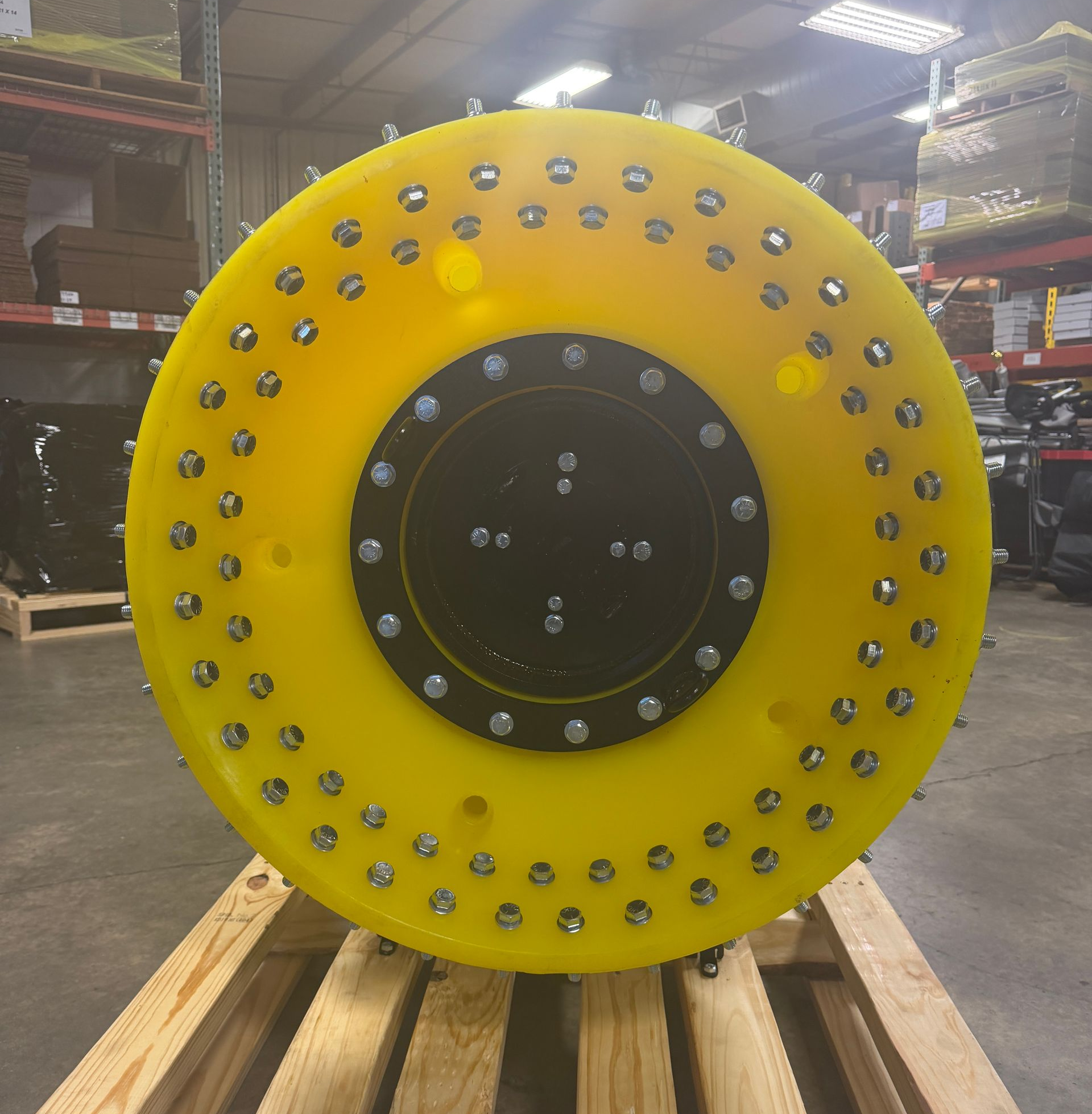
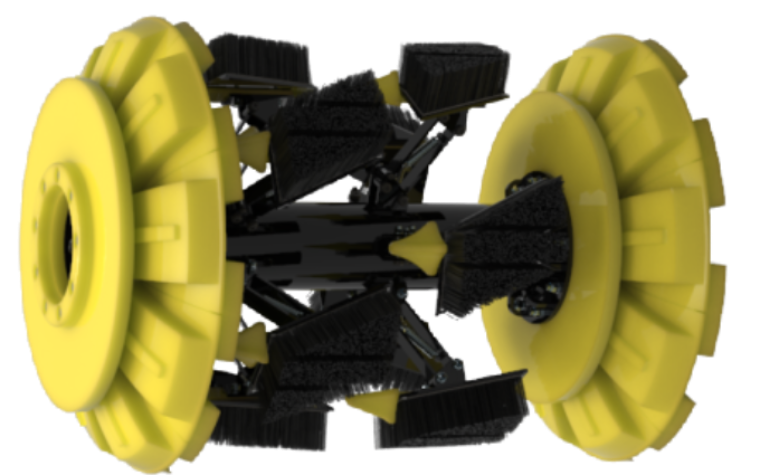
custom-designed, 30-inch hammer-wheel pig built for a natural gas pipeline with a difficult calcium carbonate buildup.
The tool was designed to mechanically strike deposits along the inside of the pipeline as it traveled, helping break loose material that needed more aggressive cleaning action.
It was unusual, extremely loud, and aggressive. Everyone in the shop was talking about it when it left, and we were all waiting to hear how it performed and what feedback the customer would have.
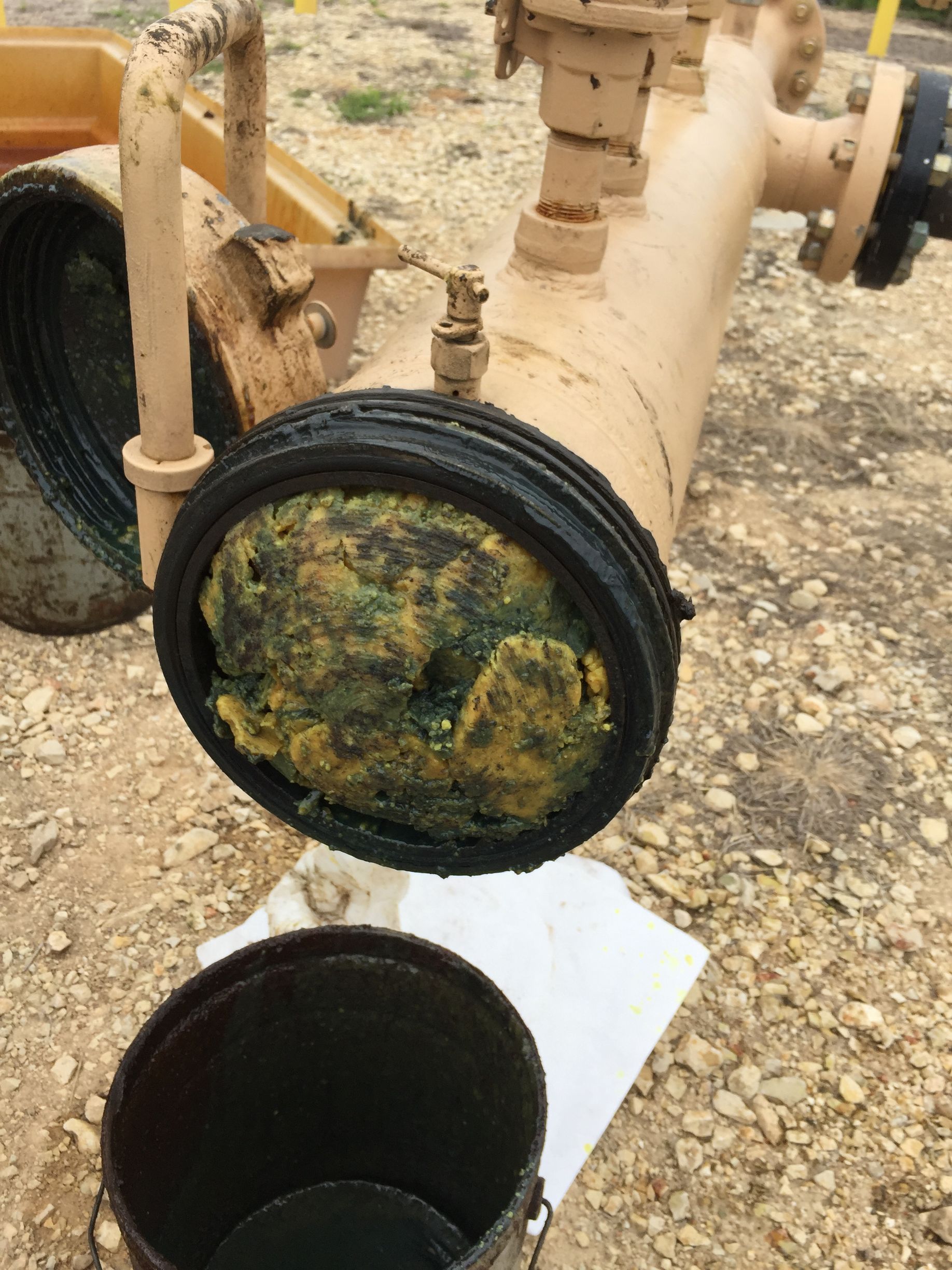
The pig completed a 28-mile run, and it recovered about 50 gallons of hard debris.
That was pretty exciting to hear.
But what stood out to me wasn't just how much debris it removed. It was what the pig represented: a team working together to design something for a customer's specific problem.
That experience made me realize that pipeline cleaning isn't always as simple as picking a product off a shelf. Sometimes a customer's needs call for a completely different approach, and the team has to figure out how to make it work.
It's one of the things I appreciate about working at Enduro. I get to see the products being built, ask questions, and learn from people who have spent years working with this equipment.
And sometimes, I get to see something I've never seen before.
That's part of what makes this industry interesting.
Have Questions About Pipeline Cleaning Pigs? Ask Enduro.
I'm still learning something new about pipeline cleaning pigs every day, but one thing I've figured out is that choosing the right pig starts with asking the right questions.
Fortunately, I work alongside people who have spent years designing, manufacturing, and working with these tools in the field.
If you're unsure which cleaning pig is right for your application, our Cleaning Pig Division is happy to help you work through the options.
Sometimes the answer is a standard cleaning pig. Sometimes it's something a little more unusual—like that hammer pig I'll never forget.
Either way, we're always happy to talk pigs.
Have a question? Contact Enduro's Cleaning Pig Division.