

Tagline here
What Are Brush Cleaning Pigs?
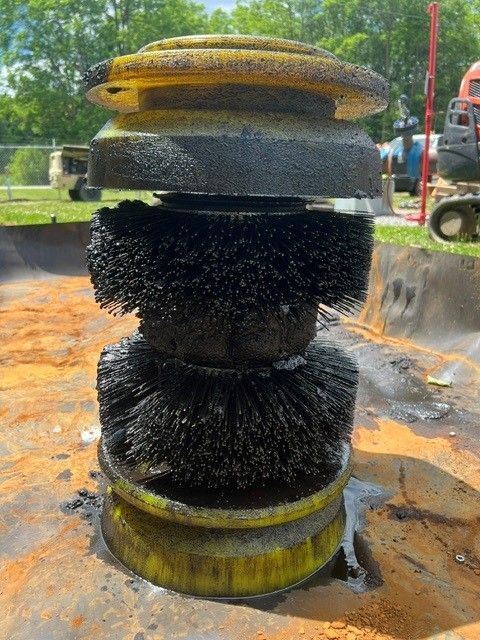
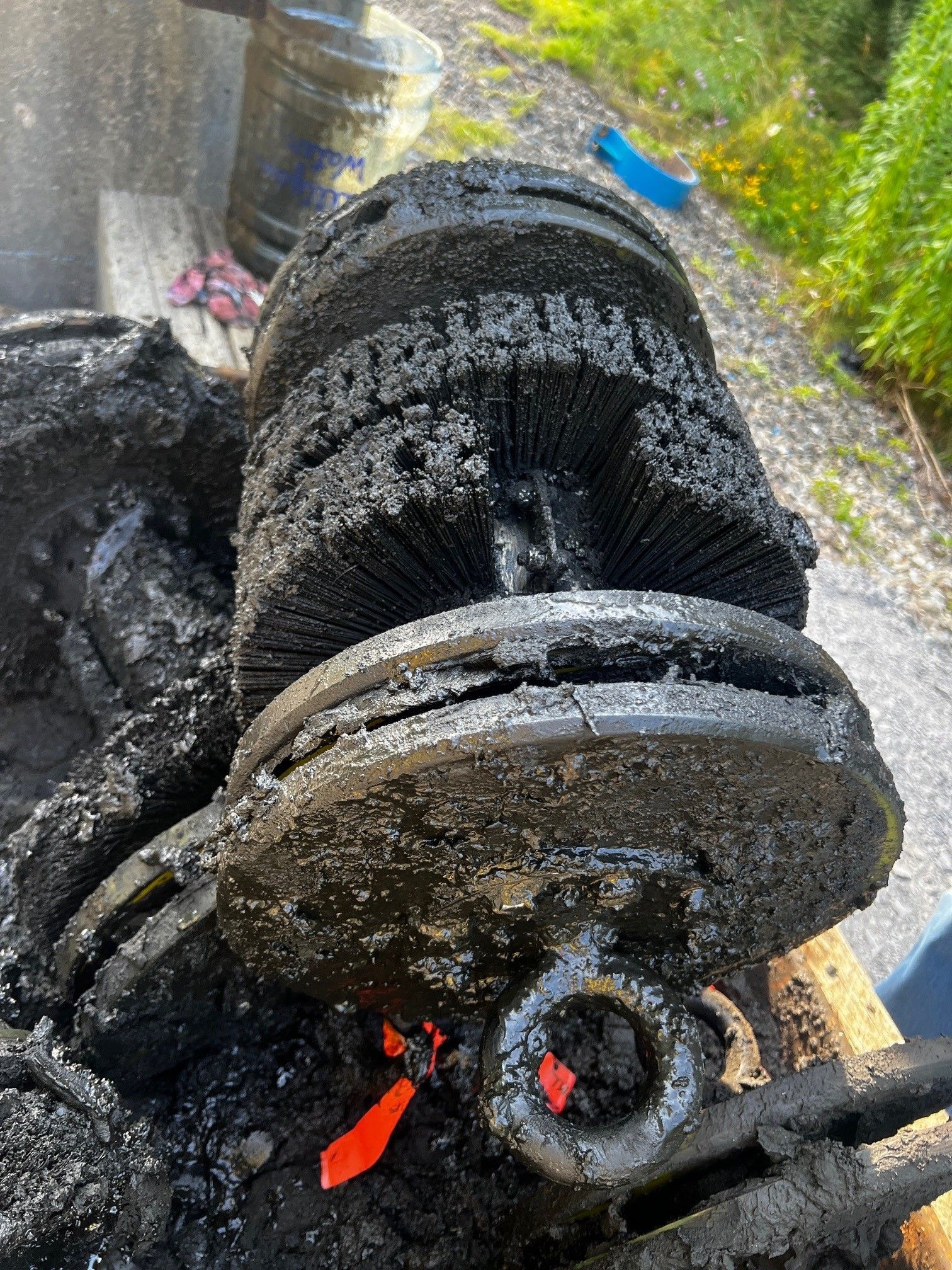
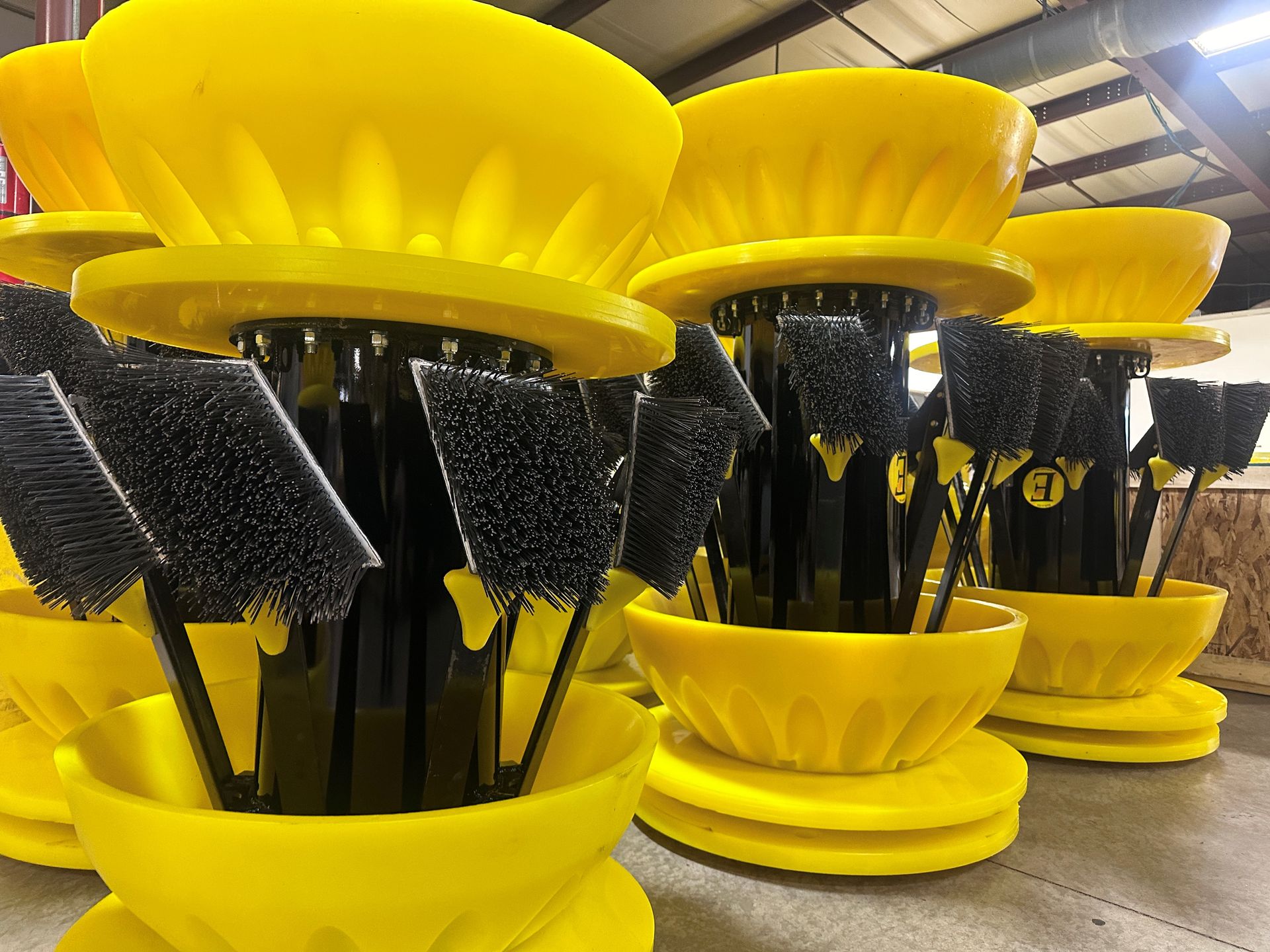
Brush cleaning pigs are designed for pipeline cleaning applications where mechanical scrubbing is needed to remove contaminants that sealing cups or discs alone may not effectively loosen. Equipped with wire brushes or scrub brushes that maintain contact with the internal pipe wall, these pigs help remove mill scale, rust, black powder, welding debris, and other deposits that can affect pipeline performance or interfere with inline inspection.
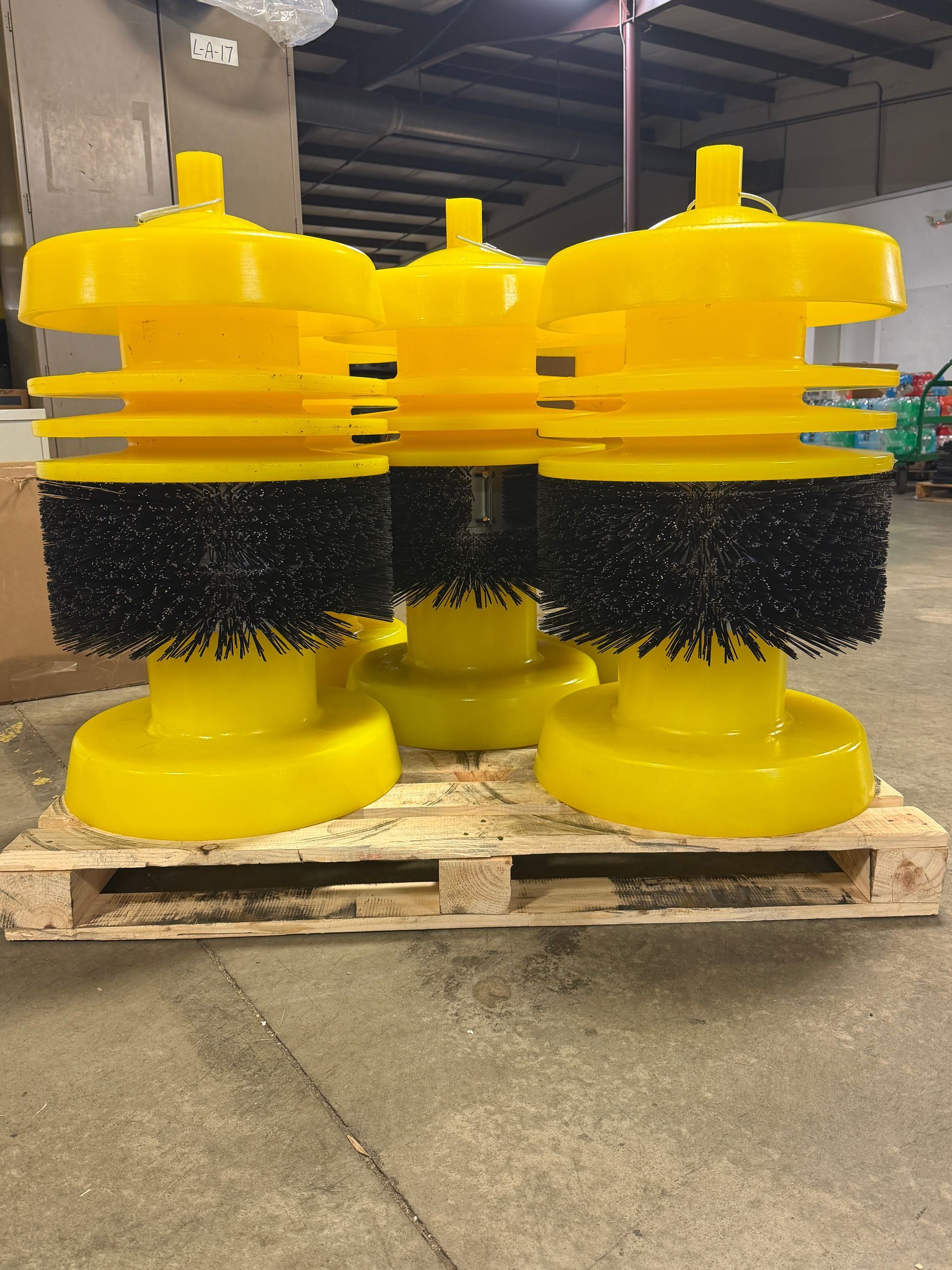
Brush components may be incorporated into steel-bodied cleaning pigs or molded directly into certain urethane pig designs. The appropriate brush type, placement, and configuration depend on the contaminant being removed, pipeline operating conditions, and the overall cleaning objective.
Because every pipeline presents unique challenges, brush cleaning pigs are often custom configured to achieve the desired level of cleaning. In many applications, they are used as part of a progressive cleaning program, where cleaning pigs become more aggressive as debris levels decrease and pipeline conditions improve.
What Do Brush Cleaning Pigs Remove?
Brush cleaning pigs are designed to loosen deposits that cannot always be removed by sealing cups or discs alone.
Common applications include:
- Mill scale
- Rust flakes
- Black powder
- Weld slag
- Construction debris
- Loose steel particles
- Light mineral deposits
- Surface corrosion products
Depending on the application, brushes may also be combined with magnets, scraper components, bypass systems, or multiple sealing discs to maximize cleaning performance.
When Should Brush Cleaning Pigs Be Used?
Brush cleaning pigs are typically selected when contaminants have bonded to the pipeline wall and require mechanical scrubbing to remove.
They are commonly used for:
- Pipeline commissioning
- Post-construction cleaning
- Mill scale removal
- Black powder removal programs
- Pre-inline inspection (ILI) cleaning
- Pipeline rehabilitation projects
- Progressive maintenance cleaning
- Heavy debris removal
Many operators begin with less aggressive cleaning pigs before introducing brushes if additional cleaning is required.
What Do Brush Cleaning Pigs Remove?
Brush cleaning pigs are designed to loosen deposits that cannot always be removed by sealing cups or discs alone.
Common applications include:
- Mill scale
- Rust flakes
- Black powder
- Weld slag
- Construction debris
- Loose steel particles
- Light mineral deposits
- Surface corrosion products
Depending on the application, brushes may also be combined with magnets, scraper components, bypass systems, or multiple sealing discs to maximize cleaning performance.
Did You Know?
Brush cleaning pigs aren't the right solution for every pipeline. While brushes are highly effective for removing contaminants such as mill scale, rust, black powder, and welding debris, softer deposits, liquids, and other pipeline conditions may be cleaned more effectively using different cleaning pig configurations. Many successful pipeline cleaning programs use a progressive cleaning approach, selecting different pig designs as pipeline conditions improve to maximize cleaning efficiency while reducing unnecessary wear.
Types of Brush Cleaning Pigs
Brush cleaning pigs are available in several configurations depending on pipeline conditions.
Steel-Body Brush Cleaning Pigs
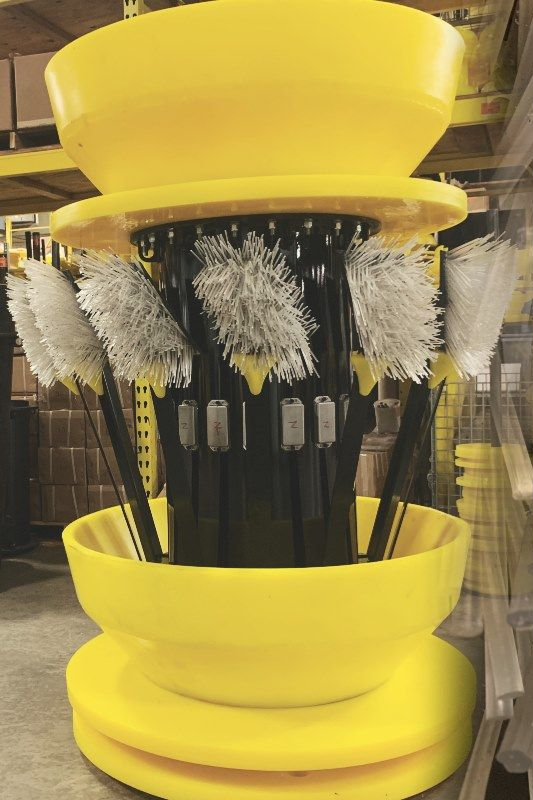
Steel-bodied cleaning pigs commonly use replaceable brush assemblies mounted around the pig body.
These designs are well suited for:
- Heavy cleaning
- Construction debris
- Large diameter pipelines
- Aggressive mechanical cleaning
Brush placement and stiffness can be customized to meet specific cleaning objectives.
Urethane Brush Cleaning Pigs
Some urethane cleaning pigs incorporate scrub brushes directly into the urethane fins.
This design allows the brushes to maintain continuous contact with the pipe wall while the urethane provides flexibility and sealing performance.
Embedded brush designs can be especially useful in applications requiring 360-degree pipe wall coverage, including certain dual-diameter cleaning pig configurations.
Choosing the Right Brush Configuration
Not every brush cleaning pig performs the same.
Several factors influence cleaning effectiveness:
- Brush material
- Brush stiffness
- Brush density
- Brush coverage
- Brush placement
- Pipeline diameter
- Operating pressure
- Product being transported
- Contaminant type
Selecting the proper brush configuration helps remove deposits while minimizing unnecessary wear on both the cleaning pig and the pipeline.
Brush Cleaning Pigs vs. Magnetic Cleaning Pigs
Brushes and magnets often work together but perform different functions.
Brushes mechanically loosen contaminants from the pipe wall.
Magnets capture and retain ferrous debris after it has been loosened.
For contaminants such as mill scale, black powder, rust flakes, and loose steel particles, combining brushes with rare-earth magnets can significantly improve debris removal during progressive cleaning programs.
Brush Cleaning Pigs vs. Scraper Blades
Although both increase cleaning aggressiveness, brushes and scraper blades serve different purposes.
Brushes are generally selected when contaminants require scrubbing action across the pipe wall.
Scraper blades are designed to cut or scrape harder deposits and are often used in specialized cleaning applications where additional mechanical force is required.
The appropriate choice depends on the contaminant, pipeline condition, and cleaning objective.
Brush Cleaning Pigs Before Inline Inspection (ILI)
Effective pipeline cleaning is one of the most important steps before running an inline inspection tool.
Brush cleaning pigs are frequently included in progressive cleaning programs to remove debris that could:
- Interfere with inspection sensors
- Restrict tool movement
- Affect data quality
- Increase the risk of tool stoppage
Depending on the condition of the pipeline, brush cleaning pigs may be used alongside gauging pigs, magnetic cleaning pigs, and other cleaning tools before an MFL, caliper, or geometry inspection.
Custom Brush Cleaning Pig Designs
Every pipeline presents unique operating conditions.
Brush cleaning pigs can be customized by adjusting:
- Brush configuration
- Brush coverage
- Number of brush rows
- Sealing components
- Magnet placement
- Bypass systems
- Transmitter cavities
- Pig body design
Rather than relying on a one-size-fits-all solution, many operators select custom brush cleaning pigs designed specifically for their pipeline conditions and cleaning objectives.
Did You Know?
More aggressive cleaning isn't always better. Running a brush cleaning pig too early in a cleaning program can overload the pig with debris and reduce cleaning efficiency. Many successful cleaning programs begin with less aggressive pigs before progressing to brush cleaning pigs as debris levels decrease.
Frequently Asked Questions
What contaminants do brush cleaning pigs remove?
Brush cleaning pigs are commonly used to remove mill scale, rust flakes, black powder, construction debris, weld slag, loose steel particles, and other deposits adhered to the pipeline wall.
Are brush cleaning pigs used before inline inspection?
Yes. Brush cleaning pigs are frequently incorporated into pre-ILI cleaning programs to help remove debris that could interfere with inspection tool performance or data quality.
Can brush cleaning pigs be combined with magnets?
Yes. Brushes loosen ferrous debris while rare-earth magnets capture and retain it as the cleaning pig travels through the pipeline.
Are brush cleaning pigs available in urethane designs?
Yes. Certain urethane cleaning pigs incorporate scrub brushes molded into the urethane fins, providing continuous pipe wall contact while maintaining flexibility and sealing performance.
Ready to Select the Right Brush Cleaning Pig?
Every pipeline presents different cleaning challenges. The most effective brush cleaning pig depends on the pipeline diameter, operating conditions, contaminant type, and cleaning objective.
Whether you're preparing for an inline inspection, removing mill scale, cleaning black powder, or addressing heavy construction debris, Enduro's engineering team can help configure a brush cleaning pig designed specifically for your application.
Contact Enduro Pipeline Services today to discuss your pipeline and receive expert recommendations for your cleaning program.