
Scraper Cleaning Pigs
Heavy-Duty Pipeline Cleaning for Difficult Deposits
Scraper pigs are pipeline cleaning pigs designed to provide increased mechanical cleaning action against deposits on the internal pipe wall. Enduro's heavy-duty scraper cleaning pigs can be configured for applications involving wax, scale, hardened deposits, debris, and other difficult pipeline-cleaning conditions.
Built in Tulsa and configured for your pipeline, Enduro scraper pigs combine proven cleaning components with application-specific designs to help operators achieve the level of cleaning their pipeline requires.

What Is a Scraper Pig?
A scraper pig is a type of pipeline cleaning pig designed to mechanically remove deposits and debris from the internal pipe wall. Scraper pigs may use cups, discs, brushes, scraper components, studs, magnets, or combinations of cleaning components depending on the pipeline conditions and cleaning objective.
They are commonly used when a pipeline requires more aggressive cleaning than basic displacement or light maintenance cleaning can provide. The appropriate configuration depends on what needs to be removed, pipeline geometry, operating conditions, previous cleaning history, and the condition of the line.
When Should You Use a Scraper Pig?
A scraper cleaning pig may be appropriate when deposits require increased mechanical contact with the pipe wall or when previous cleaning runs have not achieved the desired result.
Common applications include:
- Wax and paraffin buildup
- Scale and hardened deposits
- Rust and corrosion products
- Mill scale and construction debris
- Ferrous debris
- Pre-ILI pipeline cleaning
- Pipelines requiring aggressive cleaning
- Cleaning programs where debris removal has plateaued
Difficult debris doesn't automatically mean the most aggressive pig should run first. Enduro evaluates pipeline condition and the cleaning objective before recommending a configuration.
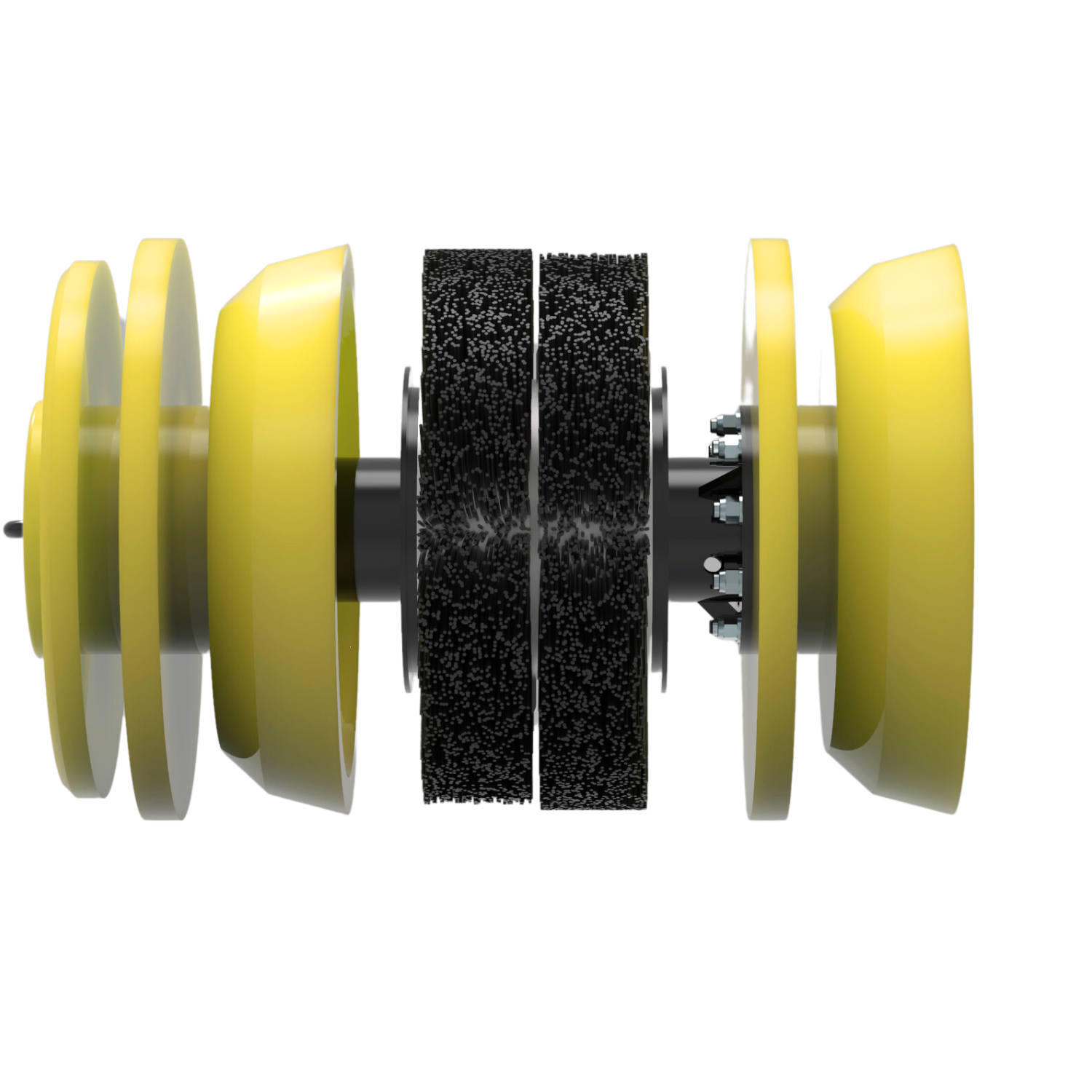

Enduro Heavy-Duty Scraper Cleaning Pigs
Enduro scraper cleaning pigs are designed for applications requiring increased scraping action, effective sealing, and extended component wear. Each configuration can be adapted to pipeline conditions, rather than relying on a single standard design for every cleaning application.
Designed for:
- Cleaning — Remove accumulated deposits and debris.
- Displacement — Maintain effective sealing and movement through the pipeline.
- Extended Wear Life — Select components based on expected operating and cleaning conditions.
- Effective Sealing — Cups and discs can be configured to maintain the seal required for the application.
- Aggressive Scraping — Cleaning components can increase contact with stubborn deposits on the internal pipe wall.
Scraper Pig Configurations
No single scraper pig configuration works for every pipeline. Enduro can configure cleaning pigs with different components based on the material being removed and the conditions the pig will encounter.
Cups & Discs
Provide sealing, propulsion, displacement, and cleaning contact. Select different arrangements based on pipeline geometry and operating conditions.
Brushes
Increase mechanical contact with the internal pipe wall and can help remove scale, rust, welding debris, and adhered deposits.
Studded Components
Metal studs incorporated into urethane cleaning components can provide additional scraping action and extended wear for demanding cleaning applications.
Learn About Studded Cleaning Pig Cups
Magnets
Capture ferrous material such as metal particles, mill scale, and other magnetic debris during the cleaning run.
Gauge Plates
Use when the cleaning program also requires verification of internal pipeline clearance.
Scraper Pigs vs. Brush Pigs: What's the Difference?
Scraper pigs and brush pigs both provide mechanical pipeline cleaning, but the terms can describe different cleaning configurations. Brush-equipped pigs rely on brushes to increase pipe-wall contact, while scraper configurations may use cups, discs, studs, scraper components, brushes, or combinations of components to provide the required cleaning action.
The better question is not simply whether a pipeline needs a "scraper pig" or a "brush pig." Select the cleaning tool based on the deposit being removed, pipeline geometry, operating conditions, cleaning history, and the objective of the cleaning program.
Why Use Studded Components on a Scraper Cleaning Pig?
Studded urethane components can increase scraping action and improve wear resistance in demanding pipeline-cleaning applications. They may be used when the cleaning objective involves stubborn deposits or conditions where standard urethane components alone may not provide sufficient cleaning action.
Start With the Pipeline—Not the Pig
Selecting a scraper pig should start with understanding the pipeline problem.
Before recommending a cleaning configuration, Enduro considers factors such as pipeline diameter and geometry, bend radius, valves and restrictions, operating medium, flow conditions, debris type, deposit severity, previous pigging history, and the final cleaning objective.
In some applications, a standard scraper configuration may be appropriate. In others, the cleaning program may require brushes, magnets, specialized urethane components, multiple cleaning stages, or a custom pig design.
If you're not sure what your pipeline needs, ask us. We'll help you determine the appropriate starting point.
Scraper Pigs in a Progressive Cleaning Program
Aggressive cleaning is not always the best first step. When pipeline conditions or debris volumes are uncertain, a progressive cleaning program lets operators increase cleaning aggressiveness as they evaluate debris removal and pig condition from run to run.
The amount and type of material returned, condition of the cleaning pig, magnet loading, and other observations can help determine whether another run is needed or whether the cleaning configuration should change.
How Many Cleaning Pig Runs Does a Pipeline Need?
Scraper Pigs for Pre-ILI Cleaning
Pipeline cleanliness can directly affect inline inspection performance. Deposits, debris, liquids, and other material inside the pipeline may interfere with tool movement, sensor contact, or inspection data quality.
Scraper pigs may be incorporated into a pre-ILI cleaning program when additional mechanical cleaning is required. The cleaning approach should be based on pipeline condition and the requirements of the planned inspection, rather than simply running the most aggressive cleaning pig available.
Need More Than a Standard Scraper Pig?
Some pipeline conditions require more than a standard cleaning configuration. Enduro designs and manufactures custom pipeline cleaning pigs for unusual geometry, changing diameters, difficult deposits, challenging operating conditions, and other applications where an off-the-shelf configuration may not be enough.
Our team works with operators to understand the pipeline challenge and develop an application-specific cleaning solution.
Not Sure Which Scraper Pig Your Pipeline Needs?
Don't overthink it. Tell us about the pipeline, what you're trying to remove, your operating conditions, and what you've already run. Enduro's team can help you determine the appropriate cleaning configuration and next step.