Improving ILI Data Quality in High-Flow Gas Pipelines

High-flow gas pipelines can make inline inspection difficult. Tool velocity, debris movement, and unstable flow conditions can all impact the quality of the data collected during an ILI run.


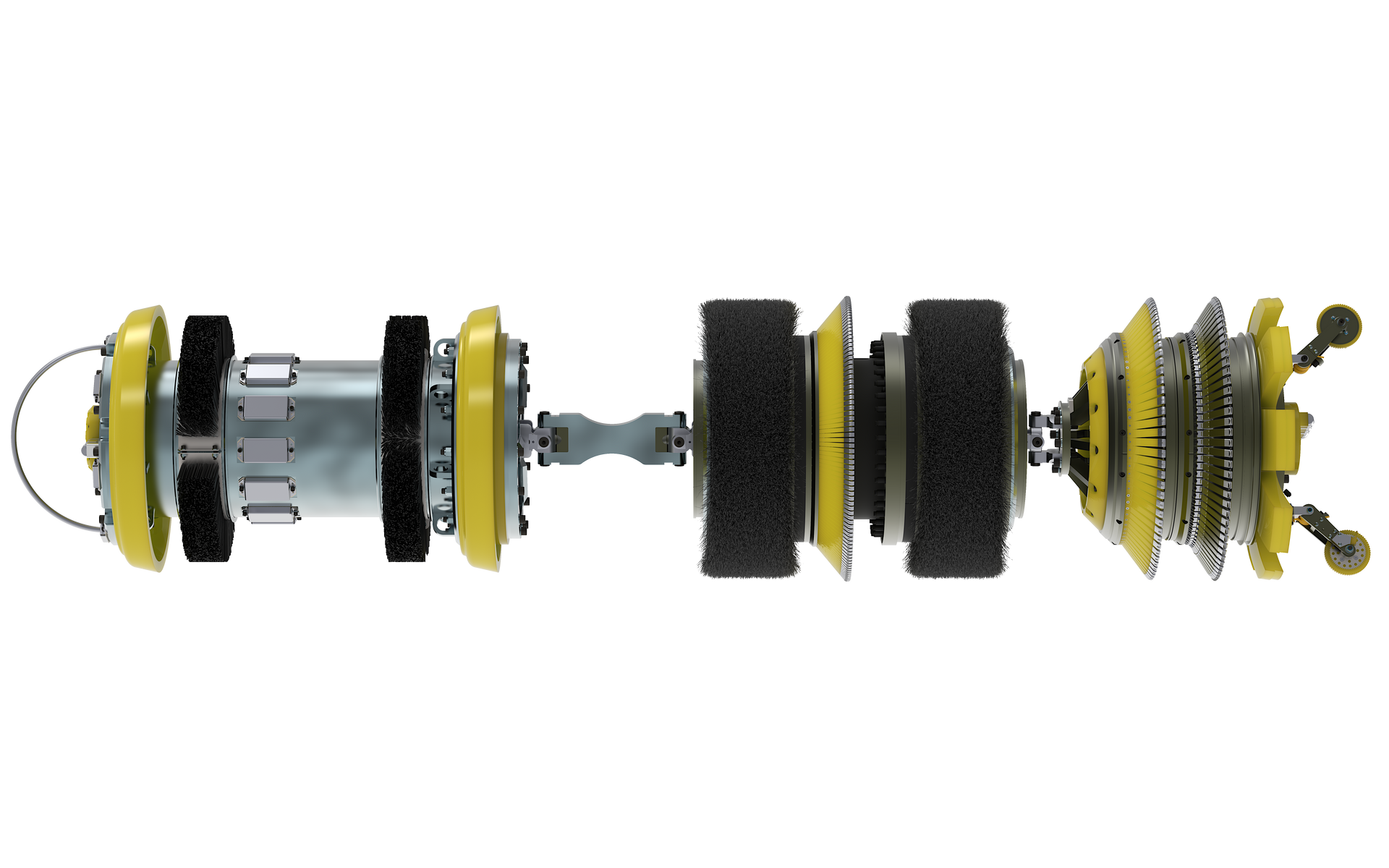
DSC 2.0 inspection assembly designed to help regulate tool velocity and improve inline inspection consistency in high-flow gas pipelines.

Enduro’s Dynamic Speed Control 2.0, integrated with DfL-UHR technology, is designed to help operators create a more controlled inspection environment by managing tool speed, improving gas flow behavior, and supporting more consistent, reliable inspection data. The white paper explains why tool velocity matters, how debris affects sensor response, and how DSC 2.0 supports better inspection outcomes in challenging gas pipeline conditions


Why Tool Velocity Matters

Speed control directly affects inline inspection data quality.

Inline inspection tools are designed to operate under specific conditions. In high-flow gas systems, changes in demand, offtakes, compressor activity, and elevation can cause inspection tools to move faster or less consistently than intended.

When tool velocity increases, the sensor has less time to capture a complete signal response. This can make small-volume, steep-sided, or weaker magnetic-signature anomalies harder to detect, size, and characterize accurately.


“The challenge is not simply moving an inspection tool throu
gh the pipeline, but ensuring that the system operates under conditions that allow it to perform as designed.”

High-Flow Gas Pipelines Create Real Inspection Challenges

Changing operating conditions can directly impact inspection consistency.

Gas pipelines are dynamic systems. Unlike many liquid systems, gas flow conditions can fluctuate throughout an inline inspection run due to changing demand, compressor activity, elevation changes, and offtakes.

Even when operators reduce flow rates, maintaining a stable inspection velocity can still be difficult.

These unstable operating conditions can lead to:

  • inconsistent sensor response
  • increased uncertainty during analysis
  • differences between reported results and excavation findings
  • more difficult anomaly validation
  • reduced confidence in repair prioritization


“Inspection success depends not only on tool capability, but also on maintaining operating conditions that support stable tool performance.”

A Combined Approach: DSC 2.0 + DfL-UHR

Velocity control and high-resolution inspection technology work together to improve data consistency.

Dynamic Speed Control 2.0 is designed to help regulate inspection tool velocity in challenging high-flow gas environments. Depending on operating conditions, DSC 2.0 can reduce tool velocity by approximately 50% to 70%, helping maintain a more stable inspection profile throughout the run.

When paired with Enduro’s DfL-UHR platform, operators benefit from both speed control and high-resolution axial MFL data collection.

The DfL-UHR platform uses increased sensor density and advanced signal capability to help identify:

  • generalized corrosion
  • small-volume metal loss
  • complex anomaly features
  • difficult-to-characterize defect


“Creating a more controlled inspection environment helps improve repeatability, consistency, and confidence in the collected data.”


Managing Gas Flow and Debris Movement

Debris behavior inside gas pipelines can significantly affect inspection performance.

Even after cleaning operations, residual debris can remain suspended within the pipeline and repeatedly cycle through the inspection assembly depending on localized pressure and velocity changes.

When debris repeatedly passes through the inspection tool, it can introduce:

  • signal noise
  • sensor interference
  • inconsistent readings
  • data distortions

DSC 2.0 maintains bypass flow across multiple sections of the inspection assembly, helping gas move more efficiently through and around the tool while supporting a more stable differential pressure profile.

The bypass-driven design also helps keep debris moving ahead of the tool instead of allowing material to settle or repeatedly cycle through the inspection system.


“A cleaner sensor environment supports more stable and reliable inspection data.”


Supporting Integrity Programs and Industry Standards

Reliable inspection data depends on maintaining validated operating conditions.

The DSC 2.0 and DfL-UHR platform is designed to support inline inspection performance and data quality expectations aligned with API 1163.

For geometric inspections, dent and ovality measurement capabilities support assessment approaches described within API RP 1183.

Maintaining stable operating conditions is critical to achieving reliable inspection performance. By helping regulate tool velocity and improve gas flow behavior, DSC 2.0 supports operation within intended inspection performance parameters.


“Consistent operating conditions support more repeatable integrity data and improved inspection confidence.”


Reducing Operational Complexity

Combining velocity control and inline inspection can improve operational efficiency.

Integrating Dynamic Speed Control and inline inspection into a single inspection system can help operators:

  • reduce the need for multiple tool runs
  • lower execution risk
  • minimize operational disruption
  • reduce scheduling complexity
  • maintain higher system throughput
  • improve inspection predictability

Because DSC 2.0 actively manages tool velocity internally, operators can often avoid significant flow reductions during inspection activities.

The result is a more efficient inspection strategy with fewer operational variables and more predictable outcomes.


“Improved inspection consistency can help operators make more confident integrity management decisions.”

Supporting Better Inspection Data Quality

Inline inspection systems perform best within defined operating conditions.

Enduro’s specifications identify an optimal inspection velocity range of approximately 3 to 6 mph for accurate data collection.

Operating outside of this range can negatively affect:

  • anomaly detection sensitivity
  • metal loss sizing accuracy
  • signal consistency
  • geometry measurement performance

By helping maintain tool velocity within intended operating parameters, DSC 2.0 supports the DfL-UHR system’s validated performance criteria and contributes to more consistent, repeatable inspection results.


“Stable operating conditions help inspection technologies perform as designed.”

Learn More About Improving Inline Inspection Performance

Enduro helps operators prepare pipelines for more consistent, reliable inline inspection results.

From cleaning pigs and tracking equipment to caliper tools, DfL-UHR inspection technology, GIS solutions, and Dynamic Speed Control systems, Enduro provides integrated solutions designed to support better pipeline integrity data.

Schedule an onsite meeting, tour our Tulsa facility, or talk with our team about the right inspection approach for your pipeline system.

Buttons:


About the Author


Bryan Varnell

Inline Inspection Specialist

Enduro Pipeline Services


Bryan Varnell works with inline inspection technologies and pipeline integrity solutions to improve inspection reliability, data quality, and operational performance in challenging gas pipeline environments. His experience includes Dynamic Speed Control systems, high-resolution MFL inspection technology, pipeline cleaning strategies, and integrity-focused inspection operations.

FREQUENTLY ASKED QUESTIONS

  • Why does tool velocity matter during inline inspection?

    Tool velocity affects how much time inspection sensors have to capture a signal response. Excessive or inconsistent speed can reduce detection sensitivity, sizing accuracy, and overall confidence in the inspection data.

  • What is DSC 2.0?

    DSC 2.0 stands for Dynamic Speed Control 2.0. It is designed to regulate inspection tool velocity in high-flow gas pipeline environments and help maintain a more stable inspection profile.

  • How does DSC 2.0 support DfL-UHR inspections?

    DSC 2.0 helps create more controlled operating conditions, while DfL-UHR provides high-resolution axial MFL data. Together, they support more consistent data collection and improved inspection confidenc

  • Can DSC 2.0 help with debris during inspection?

    Yes. The bypass-driven design helps manage gas flow through and around the inspection assembly, which can reduce the tendency for debris to cycle through the tool and interfere with sensor response.

  • Who should download this white paper?

    This white paper is useful for pipeline integrity teams, operations teams, engineers, and decision makers planning inline inspections in high-flow gas pipeline systems.