
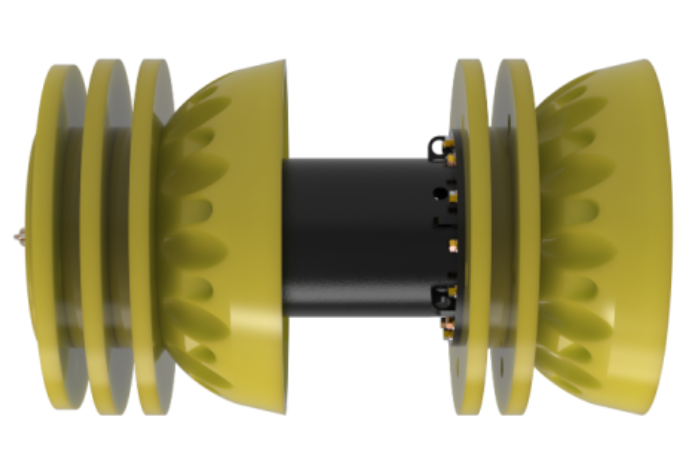
Batching Separator Pigs: How They Work and When to Use Them
Batching separator pigs are used to separate different products or fluids as they move through a pipeline. By maintaining a seal against the pipe wall, the pig helps reduce mixing between batches and supports controlled product movement, displacement, and pipeline operations.
The right batching pig depends on more than pipeline diameter. Product characteristics, pipeline geometry, operating conditions, sealing requirements, and the objective of the run all affect pig selection.
Enduro Pipeline Services designs and manufactures batching and cleaning pigs for a wide range of pipeline applications and operating conditions.
What Is a Batching Separator Pig?
A batching separator pig is a pipeline pig used to create a physical barrier between different products or fluids moving through the same pipeline.
As the pig travels through the line, its sealing cups or discs maintain contact with the pipe wall. This helps separate the product ahead of the pig from the product or fluid behind it.
Batching pigs may be used for:
- Separating different products transported through the same pipeline
- Displacing liquids or other fluids
- Supporting hydrostatic testing operations
- Pipeline filling and dewatering
- Nitrogen purging and displacement
- Routine pipeline operations requiring an effective seal
Unlike aggressive cleaning pigs, the primary purpose of a batching separator pig is separation and displacement. However, depending on its configuration, a batching pig may also provide some cleaning action as it moves through the pipeline.
How Does a Batching Pig Work?
A batching pig is inserted into the pipeline through a launcher and moved through the line by pressure differential.
The pig's cups or sealing discs create a barrier between the products or fluids on either side of the pig. As pressure pushes the pig forward, the pig travels with the flow while helping limit product mixing.
Effective batching performance depends on maintaining an appropriate seal throughout the run. Pipeline conditions such as bends, fittings, wall thickness changes, internal diameter variations, and wear on the pig's sealing components can affect performance.
For that reason, pig configuration should be selected for the actual pipeline and operating conditions rather than diameter alone.
Why Sealing Performance Matters
The effectiveness of a batching operation depends heavily on the pig's ability to maintain a reliable seal.
Excessive bypass around the pig can increase mixing between products and reduce the effectiveness of the separation process. Poor sealing can also affect displacement efficiency when moving liquids, filling a line, or supporting hydrostatic testing operations.
Factors that may affect sealing performance include:
- Pipeline internal diameter
- Wall thickness changes
- Bends and fittings
- Cup or disc configuration
- Urethane hardness and flexibility
- Pig wear
- Operating pressure and flow conditions
- Pipeline geometry
The goal is to select a pig that maintains effective sealing while still being able to safely travel through the pipeline.
Common Types of Batching Separator Pigs
Different pipeline conditions and operational objectives may require different pig designs.
Cup-Type Batching Pigs
Cup-type pigs use polyurethane sealing cups to maintain contact with the pipe wall. Depending on the configuration, multiple cups can provide sealing support and help the pig maintain stability as it moves through the pipeline.
These pigs are commonly used for batching, displacement, and routine pipeline operations.
Disc-Type Pigs
Disc pigs use sealing discs rather than cups. Different disc arrangements can be configured based on the required sealing performance, pipeline geometry, and operational objective.
Disc configurations may also be used when bidirectional travel is required.
Urethane Batching Pigs
All-urethane pigs provide a lightweight and flexible option for certain batching, displacement, and maintenance applications.
Their flexibility can be useful in pipelines where a metal-bodied pig is not necessary or where operating conditions favor a simpler urethane design.
Custom Batching Pig Configurations
Not every pipeline can be served effectively with a standard configuration.
Diameter changes, unusual fittings, short-radius bends, challenging pipeline geometry, and specific operational objectives may require a custom pig design.
Enduro works with operators to configure pigs around actual pipeline conditions and project requirements.
Batching Pigs vs. Cleaning Pigs
Although some pigs can perform both functions, batching pigs and cleaning pigs have different primary objectives.
A batching pig is primarily designed to maintain separation between products or fluids and support displacement.
A cleaning pig is primarily designed to remove debris, paraffin, scale, black powder, liquids, or other material from the pipeline.
The distinction matters because a pig designed primarily for aggressive cleaning may not be the best choice for a batching operation, while a pig designed for separation may not provide the mechanical cleaning action required for heavy buildup.
Some operations benefit from pigs configured to provide both sealing and cleaning performance.
Applications for Batching Separator Pigs
Batching and separator pigs can support several types of pipeline operations.
Product Separation
When different products are transported sequentially through the same pipeline, batching pigs can help maintain separation between batches and reduce mixing at the interface.
Liquid Displacement
Batching pigs can be used to push liquids through or out of a pipeline during maintenance, commissioning, or operational procedures.
Hydrostatic Testing
Pigs may be used during pipeline filling, displacement, and dewatering activities associated with hydrostatic testing.
Nitrogen Purging
Certain pig configurations can support nitrogen purging and other displacement operations where maintaining separation between fluids or gases is important.
Routine Pipeline Operations
Batching pigs may also be used for regular displacement and maintenance programs where reliable sealing and predictable pig travel are required.
How to Choose the Right Batching Pig
Selecting a batching separator pig requires an understanding of both the pipeline and the objective of the run.
Important considerations include:
- Pipeline diameter and length
- Minimum and maximum internal diameter
- Bends, tees, valves, and fittings
- Wall thickness changes
- Product or fluid being moved
- Required level of separation
- Operating pressure and flow conditions
- Bidirectional travel requirements
- Launcher and receiver dimensions
- Previous pigging history
A pig that performs well in one pipeline may not be the correct configuration for another. Reviewing the complete pipeline profile helps determine the appropriate body design, cup or disc configuration, and optional components.
When a Standard Batching Pig Is Not Enough
Some pipeline systems present conditions that make a standard batching pig less effective.
Examples include pipelines with:
- Significant diameter changes
- Multiple internal diameters
- Challenging bends or fittings
- Known sealing difficulties
- Unusual operating conditions
- Specialized displacement requirements
In these situations, a dual-diameter, specialty, or custom pig configuration may be appropriate.
Enduro's cleaning pig team works directly with operators to understand pipeline conditions and develop configurations for challenging applications.
Need Help Selecting a Batching Separator Pig?
The right batching pig depends on what is being separated or displaced and the conditions the pig must travel through.
Enduro Pipeline Services designs and manufactures standard and custom pig configurations for batching, displacement, cleaning, and specialty pipeline applications.
Phone 800-752-1628 or email to discuss your batching application.
Additional Pipeline Pigging Resources
Batching and separation are only one part of a successful pipeline pigging program. Explore these additional resources to learn more about pig selection, pipeline cleaning, specialty applications, and preparing a pipeline for inspection.
Learn how pipeline pigs are launched, moved through the pipeline, tracked, and received—and how different pig types support cleaning, batching, displacement, and inspection operations.
Compare cleaning pig designs and learn how different configurations are used to remove liquids, paraffin, black powder, scale, and other pipeline debris.
Learn how specialty pig designs can maintain sealing performance and travel through pipelines with significant changes in internal diameter.
Choosing the Right Cleaning Pig
Not every pipeline condition requires the same pig design. Compare pig types, cleaning elements, and applications to better understand which configuration may be appropriate for different pipeline conditions.
Preparing a Pipeline for Inline Inspection
Learn why pipeline cleanliness matters before ILI and how debris, buildup, and pipeline conditions can affect tool performance and inspection data quality.
FREQUENTLY ASKED QUESTIONS
What is a batching separator pig?
A batching separator pig is a pipeline pig used to maintain separation between different products or fluids as they move through a pipeline. The pig creates a physical barrier that helps reduce mixing between batches.
What is the difference between a batching pig and a cleaning pig?
A batching pig is primarily designed for product separation and fluid displacement, while a cleaning pig is primarily designed to remove debris and buildup. Some pig configurations can provide both sealing and cleaning functions.
What are batching pigs used for?
Batching pigs may be used for product separation, liquid displacement, pipeline filling, dewatering, hydrostatic testing support, nitrogen purging, and other operations requiring separation between products or fluids.
Can a batching pig also clean a pipeline?
Some batching pig configurations can provide light cleaning action as their cups or discs contact the pipe wall. Heavy debris or buildup typically requires a pig specifically configured for cleaning.
What type of batching pig does my pipeline need?
The correct configuration depends on pipeline diameter, geometry, bends, fittings, wall thickness changes, operating conditions, product characteristics, and the objective of the run.
Can batching pigs be custom designed?
Describe the item or answer the question so that site visitors who are interested get more information. You can emphasize this text with bullets, italics or bold, and add links.