
What Does a Caliper Inspection Detect?
Pipeline integrity depends on more than identifying corrosion. Changes in pipeline geometry—such as dents, wrinkles, buckles, ovality, and bore restrictions—can affect safe operation, restrict inline inspection tools, and influence future maintenance decisions.
A caliper inspection is designed specifically to measure the internal geometry of a pipeline. Unlike Magnetic Flux Leakage (MFL) inspections, which detect metal loss caused by corrosion, caliper tools identify physical changes to the shape of the pipe.
Understanding what a caliper inspection detects helps operators choose the right inspection technology and better evaluate the overall condition of their pipeline
What Is a Caliper Inspection?
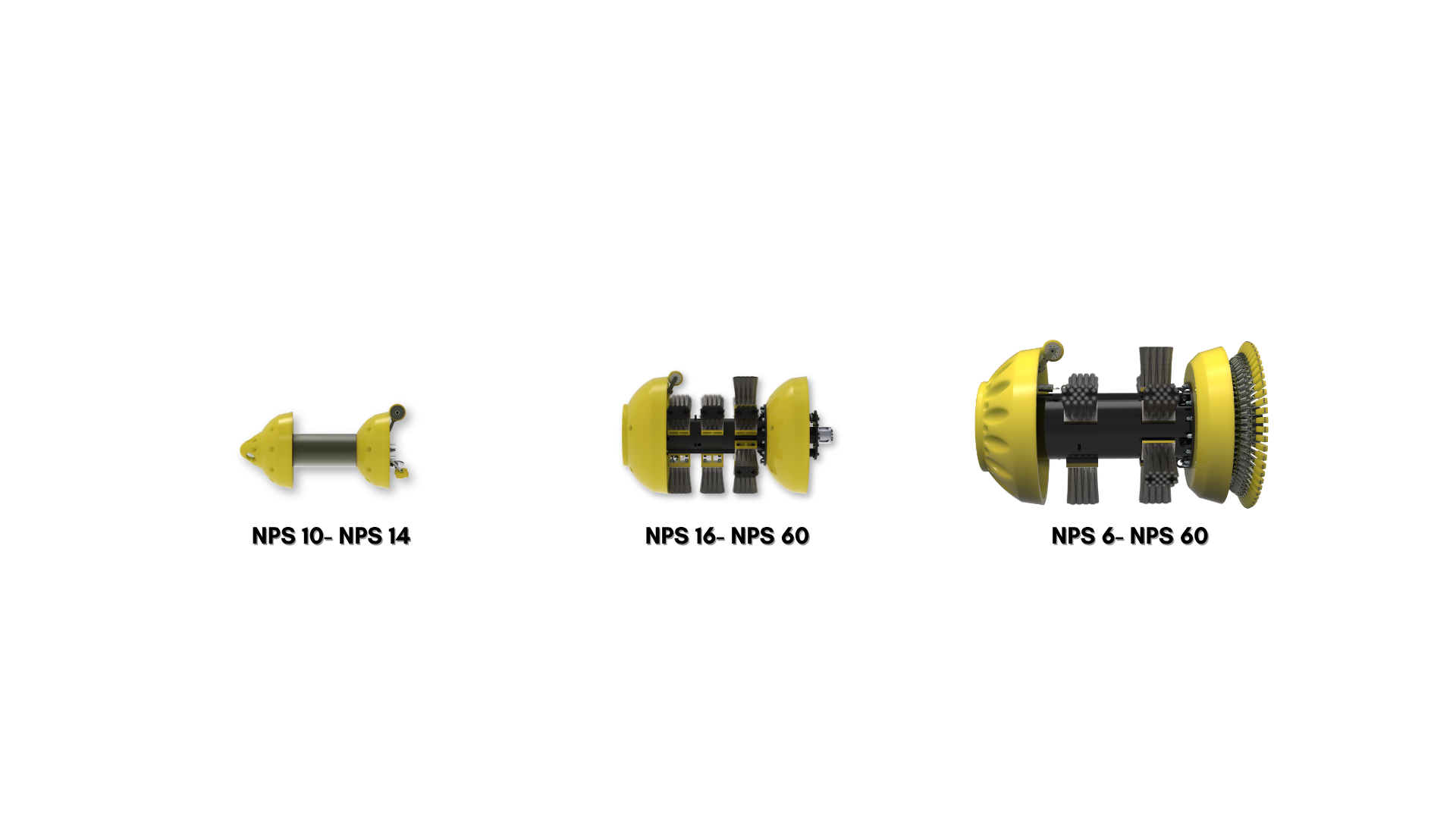
A caliper inspection uses mechanical sensing arms or electronic measurement technology to record the internal dimensions and shape of a pipeline as the inspection tool travels through the line.
During the inspection, the tool continuously measures the inside diameter of the pipe and records any deviations from the original geometry.
The resulting data helps operators locate and evaluate physical deformations that may require additional assessment or repair.
What Can a Caliper Inspection Detect?
A caliper tool is designed to identify changes in the internal shape of a pipeline.
Common findings include:
Dents
Caliper inspections accurately measure dents caused by excavation damage, external impacts, or ground movement.
Buckles
Pipeline buckles caused by excessive loading or movement can be identified through geometry measurements.
Wrinkles
Wrinkles or localized deformation that alter the internal pipe profile can be detected and measured.
Ovality
A caliper inspection can determine whether a pipeline has become out-of-round due to manufacturing tolerances, external forces, or operational conditions.
Internal Restrictions
Objects or conditions that reduce the internal diameter of the pipeline—including partially collapsed sections or deformation—may be identified during the inspection.
Bends
Advanced caliper tools, including Enduro's DdL Caliper system, can collect detailed bend measurements and map pipeline geometry throughout the inspection.
Pipeline Geometry Changes
Caliper inspections provide a detailed picture of the pipeline's internal geometry, allowing operators to evaluate dimensional changes throughout the line.
Caliper Inspection Detects
- Dents
- Buckles
- Ovality
- Restrictions
- Wrinkles
Does Not Detect
- Corrosion
- Metal Loss
- Cracks
- Wall Thickness Loss
- Material Properties
What Doesn't a Caliper Inspection Detect?
One of the most common misconceptions is that a caliper tool detects every type of pipeline defect.
A caliper inspection is not designed to detect:
- Internal corrosion
- External corrosion
- Metal loss
- Cracks
- Wall thickness changes
- Material properties
Those conditions typically require other inspection technologies such as Magnetic Flux Leakage (MFL), Deformation (DfL), Ultrasonic Testing (UT), or crack detection tools.
Understanding the strengths of each inspection technology helps ensure the appropriate tool is selected for the inspection objective.
When Should a Caliper Inspection Be Performed?
Operators commonly schedule caliper inspections:
- Before an MFL inspection
- Before inline inspection programs
- After pipeline construction
- After suspected third-party damage
- After ground movement
- Following geotechnical events
- Before hydrostatic testing (where appropriate)
- To evaluate unknown pipeline conditions
Caliper inspections are often one step in a broader pipeline integrity program.
Why Geometry Matters Before ILI
Pipeline geometry can affect the safe passage of inline inspection tools.
Significant dents, restrictions, or deformation may interfere with tool travel or reduce inspection effectiveness.
Evaluating pipeline geometry before launching an inspection tool can help identify conditions that should be addressed before the inspection proceeds.
Enduro's DdL Caliper Inspection System
Enduro's DdL Caliper Inspection system provides detailed pipeline geometry information while also delivering bend analysis and mapping capabilities.
Depending on project requirements, Enduro offers conventional caliper inspections as well as Techless Caliper options for shorter pipeline segments where rapid deployment is beneficial.
Learn more about Enduro's DdL Caliper Inspection Services.
Did You Know?
Many operators perform a caliper inspection before running a metal loss inspection. Confirming that the pipeline is free of significant restrictions or deformation can help reduce inspection risk and improve confidence that the inline inspection tool can safely travel through the pipeline.
Need Help Selecting the Right Inspection Tool?
Not every inspection objective requires the same technology.
Whether your project involves pipeline geometry, dents, metal loss, deformation, or high-flow gas inspection, Enduro can help determine the appropriate inspection approach based on your pipeline conditions and project goals.
Related Pipeline Integrity Resources
Preparing for an Inline Inspection
Learn why pipeline cleanliness and geometry both play an important role before launching an inline inspection tool.
See how cleaning programs help prepare pipelines for successful inline inspections and improve inspection readiness.l inline inspections.
Understand how operators evaluate pipeline cleanliness before an inline inspection and why multiple cleaning runs are often required.
Explore Enduro's advanced caliper inspection capabilities, including bend analysis, geometry measurement, and pipeline mapping.
Caliper inspection is one of several technologies used to evaluate pipeline condition. Learn more about pipeline inspection technologies and how different ILI tools are used to evaluate geometry, deformation, corrosion, and metal loss.
FREQUENTLY ASKED QUESTIONS
What does a caliper inspection detect?
A caliper inspection detects changes in pipeline geometry, including dents, buckles, wrinkles, ovality, restrictions, bends, and other deformation that affects the internal shape of the pipeline.
Can a caliper inspection detect corrosion?
No. Caliper inspections measure pipeline geometry but are not designed to detect internal or external corrosion. Corrosion is typically evaluated using inspection technologies such as MFL or ultrasonic inspection.
Can a caliper tool detect dents?
Yes. Detecting and measuring dents is one of the primary purposes of a caliper inspection.
Does a caliper inspection detect metal loss?
No. Metal loss requires technologies such as Magnetic Flux Leakage (MFL), Ultrasonic Testing (UT), or other inspection methods designed to evaluate wall condition.
Why perform a caliper inspection before MFL?
A caliper inspection helps identify dents, restrictions, and deformation that could affect tool passage or inspection planning before a metal loss inspection is performed.
What is the difference between a caliper inspection and an MFL inspection?
A caliper inspection measures pipeline geometry, while an MFL inspection evaluates metal loss caused by corrosion or other wall-loss mechanisms.