During my first year in pipeline pigging sales, I learned that “How do you track a pig?” is one of those questions that sounds simple—until you start talking about what the crew actually needs to know.
At first, I thought pig tracking simply meant knowing where the pig was.
The more I’ve learned from our field experts and customers, the clearer the answer has become:
tracking isn’t just about locating a pig. It’s about having the information you need throughout the run—and making sure you don’t lose it.
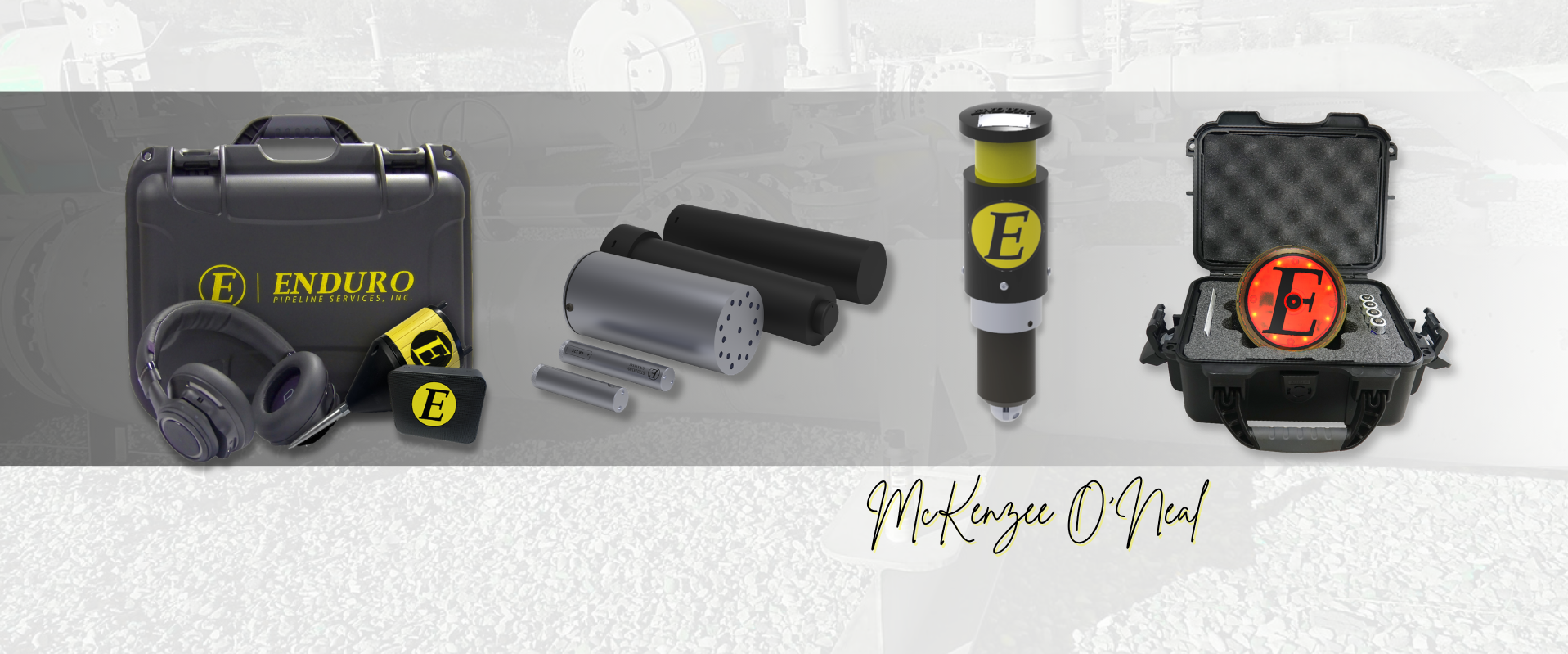
One interesting part of my experience is that I built some of the equipment before I understood the field application behind it. Before moving into sales, I built wired geophones, wireless geophones, and transmitters.
I knew how to build the equipment. I didn’t fully understand why a pipeline crew needed it.
Talking with experts and customers helped connect those two things for me.
Why Do Pipeline Crews Need to Track a Pig?
A pig is traveling through a pipeline that you can’t simply look inside. That makes knowing where the pig is an important part of the run.
Tracking can help a crew determine whether a pig has reached a particular location, confirm that it has passed a tracking point, or help locate it if it doesn’t arrive when expected.
That last part is especially important.
If a pig doesn’t arrive where it should, the questions change quickly:
- Where was the pig last detected?
- Did it pass another tracking point?
- How long has it been traveling?
- Could it be stuck?
- Where should the crew begin looking?
Without tracking information, there's much more uncertainty about what happened. A lost or stuck pig can become an expensive problem. Finding and recovering it may require additional labor, equipment, troubleshooting, excavation, or downtime, depending on the situation.
That’s why I no longer think of tracking as something you only need when something goes wrong.
Tracking gives the crew information that helps them understand what’s happening before a problem gets much bigger.
What’s the Difference Between Locating a Pig and Confirming Passage?
One of the first things I had to learn was that locating a pig and confirming that it passed a certain point aren’t necessarily the same thing.
When you’re locating a pig, you’re trying to determine where it is along the pipeline.
When you’re confirming passage, you’re asking a more specific question:
Did the pig make it past this location?
Those two objectives can require different tracking methods.
For example, a transmitter installed in the pig can send a signal that a compatible receiver above ground detects. This can help an operator locate the pig along the pipeline.
Other detection equipment can indicate when a pig passes a particular location. The important thing for me was learning to start with the objective rather than the equipment.
Before asking, “Which tracking device do I need?” it makes more sense to ask:
“What do I need to know during this pig run?”
What Is a Transmitter?
In the simplest terms, a transmitter sends out a signal. A transmitter can be installed in a pig so that a compatible receiver above ground can detect the signal. There are different types of transmitters and different specifications depending on the application, but the basic concept is pretty simple:
The transmitter sends. The receiver listens.
The transmitter gives the crew a way to detect the pig without seeing inside the pipeline.
That concept became much easier for me once I understood the field application. Instead of thinking about the transmitter as just another piece of equipment, I started thinking about it as a way for the crew to get information about the pig’s location.
What Is the Receiver Actually Doing?
If the transmitter sends the signal, the receiver detects it. The receiver isn’t seeing through the pipeline or providing a GPS location. It detects the signal from the transmitter and gives the operator information that can be used to help locate the pig.
The operator can use the receiver along the pipeline route to determine where the signal is strongest and narrow down the pig’s location.
That may sound simple, but it is an important part of understanding how transmitter-based pig tracking works.
What Is a Geophone?
This is where my own experience with the equipment comes in.
Before I was in sales, I built both wired and wireless geophones.
The funny thing is, I built them before I really understood why.
A geophone detects ground vibrations. In pipeline pigging, that lets a crew detect sounds and vibrations associated with a pig traveling through the pipeline. Instead of detecting a signal from a transmitter, you’re listening for what is happening around the pipeline.
Once I understood the field application, the equipment made a lot more sense to me. I wasn’t just building a geophone.
I was building a tool that could help a crew determine whether a pig was moving through the pipeline or had reached a particular location.
Why Use More Than One Tracking Method?
When you’re new to the industry, it is easy to wonder why a crew would need multiple ways to track a pig.
If one method works, why not just use it? Different tracking methods can provide different types of information.
A transmitter and receiver can help locate a pig.
A geophone can detect sounds and vibrations associated with a pig moving through the pipeline.
Other detection equipment can help confirm that a pig has passed a specific location.
Depending on the pipeline and the objectives of the run, a crew may use more than one method to add information or verify what is happening. This is another area where talking with field experts helped change my perspective. The goal isn’t to use as much equipment as possible. The goal is to use the right information to make good decisions during the run.
What Is the Difference Between a Pig Popper and a Non-Intrusive Sensor?
When I first started learning the terminology, equipment names like these were another area where I had a lot to learn.
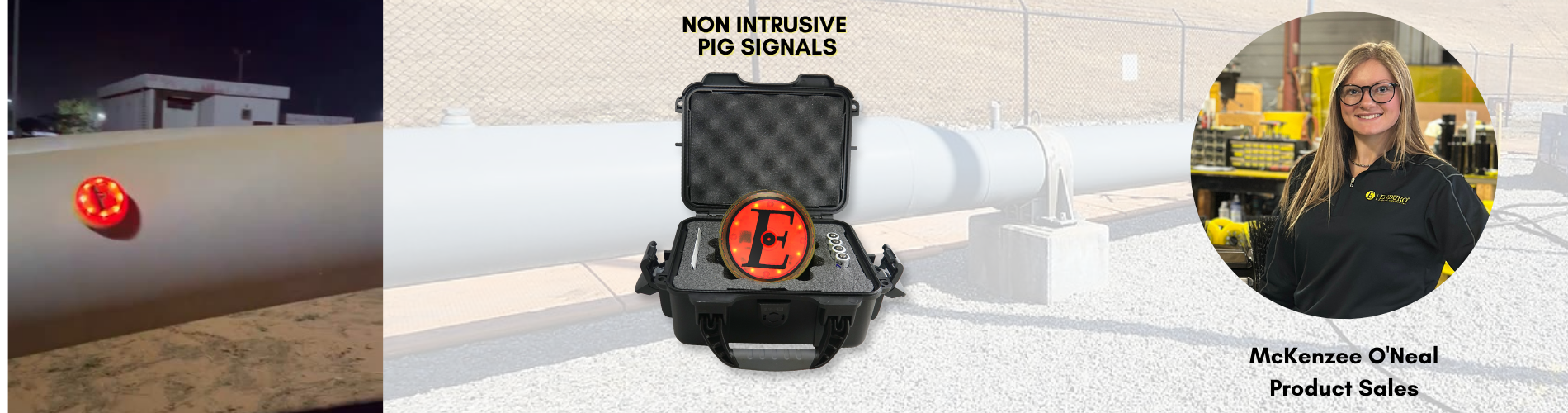
A Pig Popper is used to indicate pig passage. A non-intrusive sensor detects a pig from outside the pipeline without modifying the line.
Both can provide information about pig movement, but they do it differently and can be useful in different applications.
For someone new to tracking, the important thing isn’t necessarily memorizing every product or piece of equipment.
It’s understanding what question you’re trying to answer.
- Do you need to locate the pig?
- Do you need to confirm that it passed a specific point?
- Do you need both?
Those questions help determine which tracking approach makes sense.
What Happens If the Pig Doesn’t Arrive?
This is where I think the importance of tracking becomes easiest to understand. Let’s say a crew expects a pig to arrive at a certain location, but it doesn’t. Now they need to determine what happened.
The more information they have about the pig’s last known location and movement, the better they can narrow down where to look and what may have happened. A pig can become stuck for a variety of reasons, and the appropriate response depends on the pipeline, pig, operating conditions, and circumstances of the run.
But one thing is true regardless of the specific situation:
You don’t want to lose track of the pig.
A stuck or lost pig can cost a lot of money. The longer it takes to locate the pig, determine what happened, and recover it, the more complicated the situation can become.
Tracking can’t prevent every pig from getting stuck.
What it can do is give the crew information that may help them locate the pig and respond more effectively when something doesn’t go according to plan.
What Should You Consider When Choosing Tracking Equipment?
One of the biggest things I’ve learned since moving into sales is that no single tracking setup works for every pipeline.
The right equipment depends on the application.
Some of the questions we may consider when talking with a customer include:
- What type of pig are you running?
- What size is the pipeline?
- Is the pipeline buried or above ground?
- How deep is the pipeline?
- Where do you need to track the pig?
- Are you trying to locate the pig, confirm passage, or both?
- Will the pig hold a transmitter?
- What access does the crew have to the pipeline?
The answers to those questions can point toward one tracking method or a combination of methods.
That’s why I think choosing tracking equipment should start with the application, not a specific product.
The right tracking equipment is the equipment that gives the crew the information they need.
What Have I Learned About Pig Tracking?
Looking back at the equipment I built before moving into sales, I understand it differently now.
I knew how to build wired and wireless geophones.
I knew how to build some transmitters.
What I didn’t understand yet was what those pieces of equipment meant to the person standing beside a pipeline waiting for a pig.
Talking with field experts and customers helped me make that connection.
I started to understand that the equipment isn’t really the most important part.
The information is.
Knowing where the pig is.
Knowing whether it passed.
Knowing where it was last detected.
Knowing where to start looking if it doesn’t arrive.
That’s what tracking provides.
Don’t Lose the Pig
For me, this has been one of the biggest takeaways from learning about pipeline tracking. I started out thinking tracking simply meant knowing where the pig was. Now I understand that it’s about much more than that.
It’s about knowing what is happening during the run and having the information you need if something doesn’t go according to plan.
Because at the end of the day, there is one thing you really don’t want to happen:
Losing the pig.
A stuck or lost pig can become a very expensive problem. Finding it can take time, labor, specialized equipment, and troubleshooting. The sooner a crew can determine where the pig is and what happened, the better positioned they are to respond.
That’s why tracking should be considered before the pig goes into the pipeline—not after there’s a problem.
Every pipeline is different, and the right tracking approach depends on the pig, the pipeline, the tracking locations, and what the crew needs to know.
If you’re planning a pig run and aren’t sure how you should track it, talk with the Enduro team before the run begins. We can help you evaluate the application and determine what tracking equipment makes sense for your specific needs.
We also make it easy to purchase pipeline tracking equipment online. Visit
shopenduro.com to shop available receivers, transmitters, geophones, pig passage indicators, and other tracking equipment. Need help selecting the right equipment or placing a bulk order? Call Enduro at
800-752-1628.
Because when it comes to pipeline pigging, knowing where the pig is isn’t just useful information.
Don’t lose the pig.